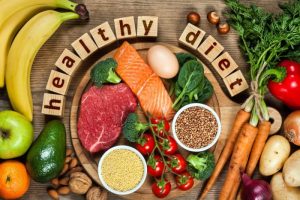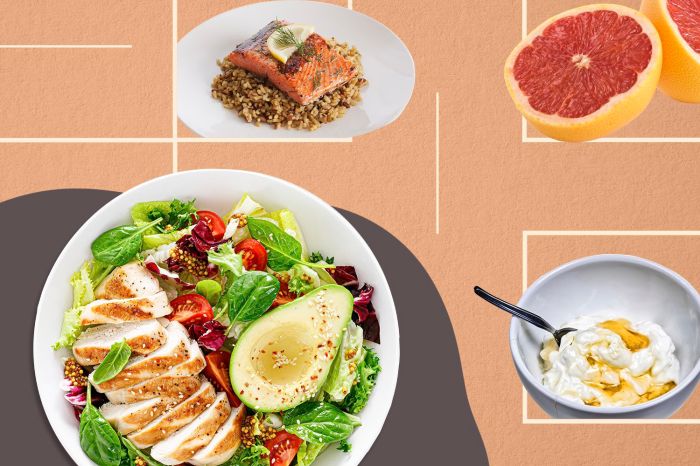
How to create a balanced diet meal plan for beginners can seem overwhelming at first, but it’s a journey worth taking. A balanced diet isn’t about strict rules or fad diets; it’s about nourishing your body with the right foods to feel your best.
It’s about understanding the fundamentals of nutrition, making informed choices, and incorporating healthy habits into your daily routine.
This guide will equip you with the knowledge and tools to create a personalized meal plan that caters to your individual needs and preferences. We’ll explore the building blocks of a balanced diet, from macronutrients and micronutrients to essential food groups and healthy eating habits.
We’ll also delve into common challenges and provide strategies for overcoming them, so you can confidently navigate your journey to a healthier lifestyle.
Understanding Balanced Diet Fundamentals
A balanced diet is crucial for maintaining optimal health and well-being. It provides your body with the necessary nutrients to function correctly and prevents various health problems. By understanding the fundamentals of a balanced diet, you can make informed choices about your food intake and set yourself up for a healthier lifestyle.
Macronutrients: The Building Blocks of Your Diet
Macronutrients are the primary components of your diet that provide your body with energy. They are consumed in relatively large amounts and play essential roles in various bodily functions.
- Carbohydrates: The body’s primary source of energy. They are found in foods like grains, fruits, vegetables, and dairy products. Carbohydrates are broken down into glucose, which is used by cells for energy production.
- Proteins: Essential for building and repairing tissues, producing enzymes and hormones, and maintaining a healthy immune system. Good sources of protein include meat, poultry, fish, beans, lentils, and eggs.
- Fats: Provide energy, insulate organs, and help absorb certain vitamins. They are classified into saturated, unsaturated, and trans fats. Unsaturated fats, found in olive oil, avocados, and nuts, are considered healthier than saturated fats found in animal products.
Micronutrients: Essential for Optimal Functioning
Micronutrients are essential for various bodily functions and are required in smaller amounts compared to macronutrients.
- Vitamins: Organic compounds that perform various functions in the body. They are categorized into fat-soluble (A, D, E, K) and water-soluble (B vitamins, C) vitamins.
- Minerals: Inorganic substances that are essential for numerous bodily processes. They are classified into major minerals (calcium, phosphorus, potassium, sodium, chloride, magnesium, sulfur) and trace minerals (iron, zinc, copper, iodine, selenium, fluoride, chromium, manganese, molybdenum).
Creating a Personalized Meal Plan
Now that you understand the fundamentals of a balanced diet, it’s time to create a meal plan that works for you. This plan should cater to your unique needs and preferences.
Factors to Consider When Creating a Personalized Meal Plan
It’s essential to consider several factors when designing a personalized meal plan. These factors help tailor your plan for optimal health and well-being.
- Age:Nutritional needs change throughout life. For example, children and adolescents require more calories and nutrients for growth and development. Older adults may need to focus on bone health and prevent age-related decline.
- Activity Level:Individuals with higher activity levels require more calories and nutrients to support their energy expenditure. Conversely, those with sedentary lifestyles need fewer calories.
- Dietary Restrictions:Allergies, intolerances, religious beliefs, or personal choices may influence your food choices. It’s crucial to consider these restrictions when creating your meal plan.
- Health Conditions:Certain health conditions, such as diabetes, heart disease, or kidney disease, may require specific dietary modifications. Consult with a healthcare professional or registered dietitian for personalized guidance.
- Personal Preferences:Your meal plan should be enjoyable and sustainable. Consider foods you like and dislike, and find ways to incorporate them into your plan.
Sample Meal Plan for Beginners
Here’s a sample meal plan for beginners, incorporating a variety of food groups and appropriate portion sizes. Remember, this is just a guideline, and you can adjust it based on your individual needs and preferences.
| Meal | Food Choices | Portion Size |
|---|---|---|
| Breakfast | 1 cup oatmeal with 1/4 cup berries and 1/2 cup milk | 1 cup |
| Lunch | Tuna salad sandwich on whole-wheat bread with 1 cup salad | 1 sandwich |
| Dinner | 4 oz grilled chicken breast with 1 cup brown rice and 1 cup steamed vegetables | 1 serving |
| Snacks | 1/4 cup trail mix or 1 fruit (apple, banana, orange) | 1 snack |
Tips for Tracking Food Intake and Adjusting the Meal Plan
It’s essential to track your food intake to ensure you’re meeting your nutritional needs. Here are some tips:
- Use a food diary:Keep a record of everything you eat and drink for a few days. This helps you identify patterns and areas for improvement.
- Use a food tracking app:Numerous apps can help you track your calorie and macronutrient intake. These apps can also provide personalized recommendations.
- Pay attention to your body:Listen to your hunger and fullness cues. Eat when you’re hungry and stop when you’re satisfied.
- Adjust your meal plan as needed:If you’re not reaching your goals, adjust your portion sizes, food choices, or frequency of meals.
- Consult with a healthcare professional or registered dietitian:They can provide personalized guidance and support as you work towards your health goals.
Building a Healthy Plate
Visualizing a balanced meal can be easier with a simple guide. The “MyPlate” model, created by the USDA, is a great tool for understanding the proportions of different food groups in a balanced meal.
MyPlate Model
The MyPlate model is a visual representation of a healthy plate, divided into five sections: fruits, vegetables, grains, protein foods, and dairy. Each section represents a different food group, and the size of each section reflects the recommended proportion of each food group in a meal.
- Fruits: This section represents one-fourth of the plate. Fruits are a good source of vitamins, minerals, and fiber.
- Vegetables: This section also represents one-fourth of the plate. Vegetables are rich in vitamins, minerals, fiber, and antioxidants.
- Grains: This section represents one-fourth of the plate. Choose whole grains over refined grains, as they are a good source of fiber and nutrients.
- Protein Foods: This section represents one-fourth of the plate. Lean protein sources like beans, lentils, poultry, fish, and eggs are essential for building and repairing tissues.
- Dairy: This section is represented by a separate circle alongside the plate. Dairy products like milk, yogurt, and cheese are good sources of calcium and vitamin D.
Recommended Proportions
The following table illustrates the recommended proportions of different food groups on a plate based on the MyPlate model:
| Food Group | Recommended Proportion |
|---|---|
| Fruits | 1/4 of the plate |
| Vegetables | 1/4 of the plate |
| Grains | 1/4 of the plate |
| Protein Foods | 1/4 of the plate |
| Dairy | 1 serving |
Healthy Food Choices, How to create a balanced diet meal plan for beginners
Here are some examples of healthy food choices within each food group:
- Fruits: Apples, bananas, berries, oranges, grapes, melons
- Vegetables: Broccoli, carrots, spinach, kale, peppers, tomatoes, sweet potatoes
- Grains: Brown rice, quinoa, oats, whole-wheat bread, whole-grain pasta
- Protein Foods: Chicken, fish, beans, lentils, tofu, eggs, nuts, seeds
- Dairy: Milk, yogurt, cheese
Incorporating Healthy Habits
Creating a balanced diet plan is a great start, but incorporating healthy habits into your daily routine is crucial for long-term success. These habits will help you maintain a balanced diet, manage cravings, and support your overall well-being.
Regular Meal Timing
Regular meal timing helps regulate your body’s natural hunger cues and metabolism. When you eat at consistent times, your body learns to anticipate meals, which can help prevent overeating and improve digestion.
Hydration
Water is essential for various bodily functions, including digestion, nutrient absorption, and temperature regulation. Staying hydrated throughout the day can help you feel fuller, reduce cravings, and boost your energy levels.
Aim to drink 8 glasses of water daily, and more if you are physically active or live in a hot climate.
Healthy Snack Options
Snacking can be a part of a balanced diet, but choosing healthy options is essential. Healthy snacks can help you avoid unhealthy cravings and provide you with essential nutrients.
- Fruits and Vegetables:Apples, bananas, oranges, carrots, celery, and bell peppers are excellent sources of vitamins, minerals, and fiber.
- Nuts and Seeds:Almonds, walnuts, sunflower seeds, and pumpkin seeds are rich in healthy fats, protein, and fiber.
- Yogurt:Choose plain yogurt and add your own fruit or granola for a healthy and satisfying snack.
- Hard-boiled Eggs:Eggs are a good source of protein and can help you feel full for longer.
Exploring Food Choices
Choosing the right foods is a key component of a balanced diet. Understanding the benefits and drawbacks of various dietary approaches and food sources can help you make informed choices that support your health and well-being.
Dietary Approaches
Different dietary approaches offer distinct benefits and considerations.
- Vegetarian: This diet excludes meat, poultry, and fish, but includes eggs and dairy products. It is often associated with lower risks of heart disease, type 2 diabetes, and some types of cancer. However, vegetarians need to pay close attention to their intake of vitamin B12, iron, and calcium, which are found in animal products.
- Vegan: This diet excludes all animal products, including meat, poultry, fish, eggs, and dairy. It is often associated with a reduced risk of heart disease, type 2 diabetes, and certain cancers. However, vegans need to be particularly vigilant about obtaining adequate amounts of vitamin B12, iron, calcium, and omega-3 fatty acids, which are found in animal products.
- Mediterranean: This diet emphasizes fruits, vegetables, whole grains, legumes, nuts, and olive oil. It also includes moderate amounts of fish, poultry, and red wine. This diet is associated with a reduced risk of heart disease, stroke, type 2 diabetes, and certain cancers.The Mediterranean diet is rich in antioxidants and healthy fats, which contribute to its health benefits.
- DASH: The Dietary Approaches to Stop Hypertension (DASH) diet focuses on reducing sodium intake and increasing potassium, magnesium, and calcium intake. This diet is effective in lowering blood pressure and reducing the risk of heart disease. It emphasizes fruits, vegetables, whole grains, and low-fat dairy products.
Food Sources for Key Nutrients
Choosing a variety of foods can ensure you obtain all the essential nutrients your body needs.
- Protein: Good sources of protein include lean meats, poultry, fish, eggs, beans, lentils, tofu, and nuts. Protein is essential for building and repairing tissues, producing enzymes and hormones, and maintaining a healthy immune system.
- Carbohydrates: Complex carbohydrates, found in whole grains, fruits, vegetables, and legumes, provide sustained energy. Simple carbohydrates, found in refined grains, sugary drinks, and processed foods, provide a quick burst of energy but can lead to blood sugar spikes and crashes.
- Fats: Healthy fats, found in olive oil, avocados, nuts, and fatty fish, are essential for hormone production, cell function, and brain health. Unhealthy fats, found in processed foods, fried foods, and sugary drinks, can contribute to heart disease, obesity, and other health problems.
- Vitamins and Minerals: Fruits, vegetables, whole grains, and dairy products are excellent sources of vitamins and minerals, which are essential for a wide range of bodily functions.
Whole, Unprocessed Foods
Choosing whole, unprocessed foods over processed and packaged options is crucial for a balanced diet.
- Whole, Unprocessed Foods: These foods are minimally processed and retain their natural nutrients. Examples include fruits, vegetables, whole grains, legumes, nuts, and seeds. These foods are rich in fiber, vitamins, minerals, and antioxidants, which support overall health and well-being.
- Processed and Packaged Foods: These foods are often high in added sugar, unhealthy fats, sodium, and artificial ingredients. They may also be low in fiber and essential nutrients. Examples include sugary drinks, processed meats, fast food, and packaged snacks. Consuming these foods regularly can contribute to weight gain, heart disease, type 2 diabetes, and other health problems.
Addressing Common Challenges
Embarking on a balanced diet journey can be exciting, but it’s also common to encounter hurdles along the way. These challenges are often temporary and can be overcome with a little patience and the right strategies.
Managing Cravings
Cravings are a natural response to your body’s desire for certain nutrients or flavors. They can be especially challenging when starting a new diet.
- Identify triggers:Keep a food journal to track your cravings and identify the situations or emotions that trigger them. Are you craving sweets after a stressful day? Or salty snacks when you’re bored? Understanding your triggers allows you to address them proactively.
- Satisfy cravings healthily:Instead of giving in to unhealthy cravings, try satisfying them with healthier alternatives. Craving chocolate? Enjoy a small piece of dark chocolate. Wanting chips? Opt for baked chips or vegetable sticks with hummus.
- Distract yourself:When cravings strike, try to distract yourself with an activity you enjoy, such as going for a walk, reading a book, or calling a friend. This can help take your mind off food and reduce the intensity of your cravings.
Avoiding Social Pressure
Navigating social events while maintaining a balanced diet can be tricky. It’s easy to feel pressured to indulge in unhealthy foods when surrounded by tempting options.
- Communicate your goals:Let your friends and family know about your dietary changes. They can be supportive and understanding if they know your intentions.
- Bring your own food:If you’re attending a potluck or party, consider bringing a healthy dish to share. This way, you’ll have a healthy option readily available.
- Choose wisely:When faced with tempting options, choose smaller portions or opt for healthier alternatives. A small piece of cake is better than a whole slice.
Dealing with Time Constraints
Time is a precious commodity, and it can be challenging to find time for meal preparation and healthy eating when you’re busy.
- Plan ahead:Dedicate a few hours each week to meal planning and prepping. This could involve cooking large batches of meals, preparing snacks in advance, or simply organizing your refrigerator and pantry.
- Utilize quick and easy recipes:There are countless healthy recipes that can be made in under 30 minutes. Look for recipes that use minimal ingredients and require minimal cooking time.
- Make healthy choices on the go:Keep healthy snacks and meals readily available in your car, purse, or office. This will help you resist the temptation to grab fast food when you’re short on time.
Portion Control and Mindful Eating
Portion control and mindful eating are essential components of a balanced diet. They help you consume the right amount of food and enjoy your meals fully.
- Use smaller plates:Studies show that people tend to eat less when they use smaller plates.
- Eat slowly and savor each bite:Take your time while eating and focus on the flavors and textures of your food. This helps you feel satisfied with less food.
- Listen to your body’s cues:Pay attention to your hunger and fullness signals. Stop eating when you feel comfortably full, not stuffed.
The Connection to Holistic Wellness: How To Create A Balanced Diet Meal Plan For Beginners
A balanced diet is not just about achieving a certain weight or body shape; it’s about fostering overall well-being. It’s a cornerstone of holistic wellness, impacting physical fitness, mental health, and overall vitality.
The Interplay of Diet and Physical Fitness
A balanced diet provides the essential nutrients your body needs for optimal physical performance.
- Adequate protein intake supports muscle growth and repair, crucial for building strength and endurance.
- Complex carbohydrates provide sustained energy for workouts and recovery.
- Healthy fats, such as those found in avocados and nuts, aid in hormone production and fuel for intense physical activity.
A well-nourished body is better equipped to handle the demands of exercise, leading to improved athletic performance and reduced risk of injuries.
Final Thoughts
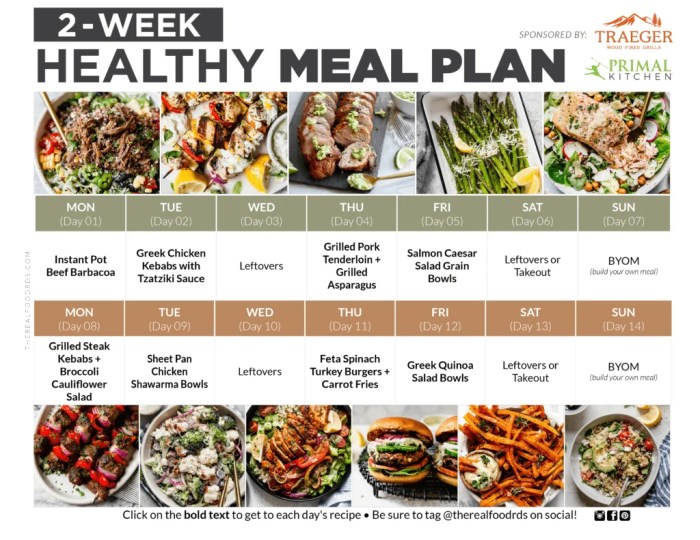
Creating a balanced diet meal plan for beginners is an investment in your health and well-being. It’s about embracing a lifestyle that nourishes your body and mind, and it’s a journey that can be both rewarding and empowering. Remember, consistency is key.
Start with small, achievable changes and gradually build healthy habits that become an integral part of your life. With dedication and a positive mindset, you can create a balanced diet that supports a vibrant and fulfilling life.
FAQ Overview
What are some examples of healthy snacks?
Fruits, vegetables, nuts, seeds, yogurt, hard-boiled eggs, and whole-grain crackers are excellent healthy snack options.
How often should I eat in a day?
Aim for 3 main meals and 1-2 healthy snacks per day, but listen to your body’s hunger cues.
How can I manage cravings?
Stay hydrated, plan ahead with healthy snacks, and focus on whole, unprocessed foods to minimize cravings.