Long-term benefits of following a balanced diet for weight management extend far beyond the scale. A well-rounded approach to nutrition is not just about shedding pounds, but about cultivating a healthier, more vibrant life. From reducing the risk of chronic diseases to boosting energy levels and improving mental clarity, the positive effects of a balanced diet are far-reaching and impactful.
This comprehensive guide explores the diverse ways a balanced diet can contribute to your overall well-being. We delve into the science behind these benefits, providing practical tips and insights to help you achieve lasting health and vitality.
Weight Management and Long-Term Health
A balanced diet is a cornerstone of sustainable weight management. It provides the body with the essential nutrients it needs to function optimally, while also helping to control calorie intake. By making smart food choices, individuals can create a healthy eating pattern that promotes weight loss, maintenance, and overall well-being.
The Relationship Between Balanced Diet and Sustainable Weight Management
A balanced diet plays a crucial role in achieving and maintaining a healthy weight. By consuming a variety of nutrient-rich foods in appropriate portions, individuals can create a calorie deficit, leading to gradual and sustainable weight loss. This approach focuses on long-term lifestyle changes rather than quick fixes or restrictive diets.
Consistent Adherence to a Balanced Diet for Long-Term Weight Maintenance
Maintaining a balanced diet consistently is key to achieving long-term weight management success. This means making healthy food choices the majority of the time, even during social gatherings or when traveling. By establishing a consistent eating pattern, individuals can avoid the yo-yo effect of weight fluctuations and maintain a healthy weight over time.
Examples of Individuals Who Have Successfully Managed Their Weight Through Balanced Eating
Numerous individuals have successfully managed their weight through a balanced diet. For example, a study published in the Journal of the American Medical Association found that individuals who followed a Mediterranean diet, characterized by its emphasis on fruits, vegetables, whole grains, and healthy fats, experienced significant weight loss and improved metabolic health.
Another example is the success of individuals who have adopted a plant-based diet, focusing on whole plant foods, which has been shown to be effective in promoting weight loss and reducing the risk of chronic diseases.
Reduced Risk of Chronic Diseases
A balanced diet plays a crucial role in preventing chronic diseases, which are long-term conditions that develop over time. By consuming a variety of nutrient-rich foods, individuals can significantly reduce their risk of developing conditions such as heart disease, type 2 diabetes, and certain cancers.
The Impact of a Balanced Diet on Chronic Disease Prevention
A balanced diet rich in fruits, vegetables, whole grains, lean protein, and healthy fats provides essential nutrients that help protect against chronic diseases.
Heart Disease
- Reduced Cholesterol Levels:A diet low in saturated and trans fats, and high in soluble fiber, helps lower LDL (“bad”) cholesterol levels and increase HDL (“good”) cholesterol levels. This reduces the risk of atherosclerosis, the buildup of plaque in the arteries, which can lead to heart attacks and strokes.
- Lower Blood Pressure:Potassium, magnesium, and fiber found in fruits, vegetables, and whole grains help regulate blood pressure, reducing the strain on the heart.
- Improved Blood Sugar Control:A balanced diet can help maintain stable blood sugar levels, which is crucial for preventing heart disease.
Type 2 Diabetes
- Improved Insulin Sensitivity:A diet rich in fiber, particularly soluble fiber, helps slow down the absorption of sugar into the bloodstream, improving insulin sensitivity. This allows the body to use glucose more effectively, reducing the risk of developing type 2 diabetes.
- Weight Management:Maintaining a healthy weight through a balanced diet is crucial for preventing type 2 diabetes. Excess weight can lead to insulin resistance, making it harder for the body to regulate blood sugar levels.
Cancer
- Antioxidant Protection:Fruits and vegetables are rich in antioxidants, which help protect cells from damage caused by free radicals, a major factor in cancer development.
- Fiber Intake:High fiber intake from fruits, vegetables, and whole grains has been linked to a reduced risk of certain cancers, such as colorectal cancer.
- Reduced Inflammation:Chronic inflammation is linked to an increased risk of several types of cancer. A balanced diet that includes anti-inflammatory foods, such as omega-3 fatty acids found in fatty fish, can help reduce inflammation and lower cancer risk.
Nutrient-Rich Foods and Their Impact on Chronic Disease Prevention
| Nutrient | Food Sources | Impact on Chronic Disease Prevention |
|---|---|---|
| Fiber | Fruits, vegetables, whole grains, legumes | Reduces cholesterol levels, improves blood sugar control, promotes gut health, and lowers risk of certain cancers. |
| Potassium | Bananas, potatoes, spinach, beans | Helps regulate blood pressure, reducing the strain on the heart. |
| Magnesium | Almonds, spinach, black beans, avocado | Supports healthy blood pressure, reduces inflammation, and improves insulin sensitivity. |
| Omega-3 Fatty Acids | Fatty fish (salmon, tuna, mackerel), flaxseeds, walnuts | Reduces inflammation, improves heart health, and may help lower cancer risk. |
| Antioxidants | Fruits, vegetables, berries, dark chocolate | Protect cells from damage caused by free radicals, reducing the risk of chronic diseases, including cancer. |
Improved Physical Fitness
A balanced diet plays a vital role in enhancing physical fitness by providing the essential nutrients your body needs to perform at its best. This goes beyond just weight management; it’s about fueling your body for optimal energy levels, endurance, and recovery.
Increased Energy Levels
A balanced diet provides the body with a steady supply of energy throughout the day, preventing energy crashes and promoting sustained activity. This is achieved by consuming a variety of nutrient-rich foods, including complex carbohydrates, lean protein, and healthy fats.
Complex carbohydrates, like whole grains and fruits, provide sustained energy release, while protein helps repair and rebuild muscle tissue. Healthy fats, found in sources like avocados and nuts, support hormone production and provide essential nutrients for overall health.
Enhanced Athletic Performance
Proper nutrition is crucial for athletes seeking to optimize their performance. A balanced diet provides the necessary fuel for training, helps with muscle recovery, and improves overall athletic performance. For example, consuming adequate carbohydrates before a workout provides energy for sustained activity, while protein intake after a workout aids in muscle repair and growth.
Additionally, adequate hydration is essential for maintaining optimal performance, and a balanced diet supports proper hydration.
Examples of Athletes Prioritizing Balanced Nutrition
Many athletes prioritize balanced nutrition as a cornerstone of their training regimen. For instance, Serena Williams, a renowned tennis player, emphasizes the importance of a balanced diet rich in fruits, vegetables, and lean protein. She highlights the role of nutrition in providing her with the energy and stamina needed to perform at her peak.
Similarly, Michael Phelps, a legendary swimmer, has spoken extensively about his commitment to a nutrition plan that fuels his intense training and helps him maintain peak physical condition. These athletes recognize the vital link between nutrition and athletic performance, demonstrating the power of a balanced diet in achieving optimal fitness.
Sample Meal Plan for Regular Exercise
Here’s a sample meal plan designed for individuals engaging in regular exercise, emphasizing balanced nutrition:
Breakfast
- Oatmeal with berries and nuts
- Scrambled eggs with whole-wheat toast and avocado
- Greek yogurt with fruit and granola
Lunch
- Grilled chicken salad with mixed greens, vegetables, and a light vinaigrette dressing
- Lentil soup with whole-wheat bread
- Quinoa bowl with black beans, corn, and salsa
Dinner
- Salmon with roasted vegetables and brown rice
- Turkey chili with a side of baked sweet potato
- Vegetarian stir-fry with tofu, vegetables, and brown rice
Snacks
- Fruit (apple, banana, orange)
- Nuts and seeds
- Yogurt
This meal plan provides a balanced mix of carbohydrates, protein, and healthy fats, supporting sustained energy levels, muscle recovery, and overall well-being. Remember to adjust portion sizes based on your individual needs and activity levels. Consult with a registered dietitian or nutritionist for personalized guidance on developing a meal plan tailored to your specific goals and preferences.
Enhanced Mental Health
A balanced diet can significantly impact your mental well-being. It’s not just about feeling good; it’s about optimizing your brain function, mood, and stress response.
The Link Between Diet and Mental Health
A balanced diet provides your brain with the essential nutrients it needs to function optimally. These nutrients play a vital role in various brain processes, including mood regulation, cognitive function, and stress response.
Key Nutrients for Mental Well-being
- Omega-3 Fatty Acids:Found in fatty fish like salmon, tuna, and mackerel, omega-3 fatty acids are crucial for brain health. They support the structure and function of brain cells, improving mood and cognitive function.
- B Vitamins:A group of vitamins, including B12, folate, and B6, are essential for neurotransmitter production. These neurotransmitters regulate mood, sleep, and cognitive function. Good sources include leafy green vegetables, poultry, and eggs.
- Vitamin D:Known as the “sunshine vitamin,” vitamin D plays a role in mood regulation and cognitive function. It’s found in fatty fish, fortified foods, and can be synthesized by the body through sun exposure.
- Magnesium:This mineral is crucial for relaxation and stress management. It helps regulate neurotransmitters, promoting calmness and reducing anxiety. Good sources include leafy green vegetables, almonds, and dark chocolate.
Foods for a Positive Mental State
Here’s a list of foods that can positively impact your mental health:
- Berries:Rich in antioxidants, berries like blueberries and strawberries are known to boost cognitive function and protect against age-related cognitive decline.
- Dark Chocolate:Contains flavonoids, which have been shown to improve blood flow to the brain, enhancing cognitive function and mood.
- Nuts and Seeds:Excellent sources of omega-3 fatty acids, magnesium, and vitamin E, nuts and seeds like almonds, walnuts, and pumpkin seeds contribute to brain health and cognitive function.
- Fatty Fish:Salmon, tuna, and mackerel are rich in omega-3 fatty acids, which have been linked to reduced risk of depression and improved cognitive function.
- Leafy Green Vegetables:Spinach, kale, and collard greens are packed with B vitamins, folate, and magnesium, all of which are essential for mental well-being.
Boosted Immunity
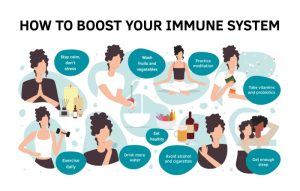
A balanced diet plays a crucial role in strengthening your immune system, which is your body’s natural defense against infections and diseases. By providing the essential nutrients your immune cells need, a balanced diet helps your body fight off pathogens effectively.
Foods Rich in Antioxidants and Vitamins
Consuming foods rich in antioxidants and vitamins is essential for a robust immune system. Antioxidants protect your cells from damage caused by free radicals, while vitamins support various immune functions.
- Vitamin C:Found in citrus fruits, berries, and leafy greens, vitamin C is a powerful antioxidant that supports the production of white blood cells, which are crucial for fighting infections.
- Vitamin E:Present in nuts, seeds, and vegetable oils, vitamin E helps protect cells from damage, contributing to a healthy immune response.
- Zinc:Found in seafood, meat, beans, and nuts, zinc is essential for immune cell development and function.
- Selenium:Found in Brazil nuts, tuna, and eggs, selenium is a powerful antioxidant that helps regulate immune responses and protect against inflammation.
Improved Sleep Quality
A balanced diet plays a crucial role in promoting restful sleep. Consuming the right foods can help regulate your body’s natural sleep-wake cycle, improve sleep quality, and reduce the likelihood of sleep disturbances.
Foods that Promote Restful Sleep, Long-term benefits of following a balanced diet for weight management
Certain foods contain nutrients that can promote relaxation and enhance sleep quality. These foods can be incorporated into a balanced diet to support a healthy sleep routine.
- Tryptophan-rich foods:Tryptophan is an amino acid that the body converts into serotonin, a neurotransmitter that helps regulate mood and sleep. Foods rich in tryptophan include turkey, chicken, fish, eggs, dairy products, nuts, and seeds.
- Foods rich in magnesium:Magnesium is a mineral that plays a vital role in muscle relaxation and sleep regulation. Foods high in magnesium include leafy green vegetables, almonds, avocado, dark chocolate, and bananas.
- Foods rich in melatonin:Melatonin is a hormone that helps regulate the sleep-wake cycle. Foods naturally containing melatonin include tart cherries, walnuts, and oats.
- Foods rich in vitamin B6:Vitamin B6 is essential for the production of serotonin and melatonin. Foods rich in vitamin B6 include chickpeas, tuna, chicken breast, potatoes, and bananas.
Increased Energy Levels
A balanced diet provides the necessary nutrients to fuel your body and maintain sustained energy throughout the day. This is because different foods provide different types of energy, some being released slowly and providing a steady stream of energy, while others offer a quick burst of energy followed by a crash.
Foods for Sustained Energy
Foods rich in complex carbohydrates, protein, and healthy fats provide slow-releasing energy, keeping you feeling energized for longer periods. These foods are digested slowly, ensuring a steady supply of glucose to your muscles and brain.
- Whole Grains:Brown rice, quinoa, oats, and whole-wheat bread are excellent sources of complex carbohydrates and fiber. Fiber slows down digestion, leading to a gradual release of energy.
- Lean Protein:Chicken, fish, beans, lentils, and tofu provide protein, which is essential for building and repairing tissues, and also helps regulate blood sugar levels, promoting sustained energy.
- Healthy Fats:Avocados, nuts, seeds, and olive oil are rich in healthy fats that provide sustained energy and support brain function.
Sample Meal Plan for Sustained Energy
Here’s a sample meal plan for a busy individual, focusing on balanced nutrition for sustained energy:
- Breakfast:Oatmeal with berries and nuts. Oatmeal provides complex carbohydrates and fiber, berries offer antioxidants, and nuts contribute healthy fats and protein.
- Lunch:Salad with grilled chicken or fish, quinoa, and a drizzle of olive oil. This meal combines protein, complex carbohydrates, and healthy fats for a balanced and energizing lunch.
- Dinner:Baked salmon with roasted vegetables and brown rice. Salmon is a great source of protein and omega-3 fatty acids, while roasted vegetables provide vitamins, minerals, and fiber. Brown rice offers complex carbohydrates for sustained energy.
- Snacks:Choose healthy snacks throughout the day to keep your energy levels stable. Good options include Greek yogurt with fruit, a handful of almonds, or a piece of fruit with a small amount of peanut butter.
Improved Digestion: Long-term Benefits Of Following A Balanced Diet For Weight Management
A balanced diet plays a crucial role in maintaining a healthy digestive system. Consuming a variety of nutrient-rich foods provides the necessary fiber, vitamins, and minerals to support optimal digestive function.
Fiber’s Role in Digestive Health
Dietary fiber, a type of carbohydrate that the body cannot digest, is essential for maintaining a healthy digestive system. It acts as a prebiotic, feeding the beneficial bacteria in the gut, promoting a balanced gut microbiome. Fiber adds bulk to stool, making it easier to pass and preventing constipation.
It also helps regulate bowel movements, promoting regular elimination.
Healthy Skin and Hair
A balanced diet is not only crucial for weight management but also plays a vital role in maintaining healthy skin and hair. The nutrients you consume provide the building blocks for your skin and hair, promoting their growth, strength, and overall appearance.
Foods for Radiant Skin and Strong Hair
A diet rich in vitamins, minerals, and antioxidants can contribute to a radiant complexion and strong hair. Here are some examples of foods that can nourish your skin and hair from the inside out:
- Fruits and vegetables: Packed with vitamins A, C, and E, these antioxidants protect your skin from damage caused by free radicals and promote collagen production. Examples include:
- Berries (strawberries, blueberries, raspberries)
- Citrus fruits (oranges, grapefruits)
- Tomatoes
- Broccoli
- Spinach
- Omega-3 fatty acids: These healthy fats help maintain skin hydration and reduce inflammation. Good sources include:
- Fatty fish (salmon, tuna, mackerel)
- Flaxseeds
- Chia seeds
- Walnuts
- Biotin: This B vitamin is essential for healthy hair growth and can help prevent hair loss. Rich sources include:
- Eggs
- Salmon
- Sweet potatoes
- Avocados
- Zinc: This mineral helps maintain healthy skin and hair growth. Good sources include:
- Oysters
- Beef
- Pumpkin seeds
- Chickpeas
- Iron: Iron is crucial for carrying oxygen to your cells, including those in your skin and hair. Good sources include:
- Red meat
- Lentils
- Spinach
- Fortified cereals
Holistic Wellness
A balanced diet isn’t just about managing weight; it’s a cornerstone of holistic wellness, encompassing your physical, mental, emotional, and spiritual well-being. By nourishing your body with the right nutrients, you create a foundation for thriving in all aspects of your life.
Impact on Various Aspects of Life
A balanced diet positively influences various aspects of life, fostering a sense of harmony and well-being.
- Relationships:A balanced diet can boost your energy levels, improve your mood, and enhance your cognitive function, making you more present and engaged in your relationships.
- Work:A healthy diet fuels your body and mind, improving concentration, productivity, and overall job performance.
- Leisure:A balanced diet provides the energy and stamina to enjoy your hobbies, participate in activities, and engage in fulfilling leisure pursuits.
Interconnectedness of a Balanced Diet with Holistic Wellness
| Aspect of Holistic Wellness | Impact of a Balanced Diet |
|---|---|
| Physical Health | Provides essential nutrients for optimal bodily function, supports healthy weight management, and reduces the risk of chronic diseases. |
| Mental Health | Boosts mood, improves cognitive function, reduces stress and anxiety, and promotes emotional well-being. |
| Emotional Health | Contributes to a positive self-image, enhances self-esteem, and fosters a sense of control over one’s well-being. |
| Spiritual Health | Promotes a sense of gratitude for the body and its capabilities, encourages mindfulness, and supports a connection with oneself and the world. |
| Social Health | Increases energy levels, improves mood, and enhances overall well-being, facilitating positive interactions and stronger relationships. |
| Environmental Health | Supports sustainable food choices and reduces the environmental impact of food production. |
Final Review

Ultimately, embracing a balanced diet is a journey toward a healthier, happier you. It’s about making informed choices that nourish your body and mind, empowering you to live a fulfilling life. By prioritizing balanced nutrition, you’re not just managing your weight, but investing in your future health and happiness.
Essential Questionnaire
What are some examples of balanced meals?
A balanced meal typically includes a source of protein, healthy fats, and complex carbohydrates. For example, a balanced lunch could include grilled chicken or fish, a side of brown rice or quinoa, and a leafy green salad with a light vinaigrette dressing.
How long does it take to see results from a balanced diet?
The time it takes to see results varies depending on individual factors like starting weight, metabolism, and activity level. However, most people experience noticeable changes in their energy levels, mood, and overall health within a few weeks of adopting a balanced diet.
Can I lose weight without exercising?
While a balanced diet can help you lose weight, combining it with regular exercise is more effective for achieving sustainable weight loss and improving overall fitness.