Best physical fitness exercises for beginners at home offer a fantastic way to improve your health and well-being without needing a gym membership. Whether you’re just starting your fitness journey or looking for convenient ways to stay active, these exercises are accessible, effective, and can be adapted to your individual needs.
This guide will walk you through a beginner-friendly workout routine that combines bodyweight exercises, cardio, and stretching, all designed to be done comfortably at home. We’ll cover essential tips for creating a safe and supportive workout space, proper form and technique, and strategies for staying motivated and consistent.
You’ll also learn about the importance of nutrition and its role in supporting your fitness goals.
Introduction to Home Fitness
Home workouts offer a convenient and accessible way to improve your physical health and well-being, especially for beginners. They eliminate the need for gym memberships and allow you to exercise at your own pace in a comfortable environment. Starting slow and gradually increasing intensity is crucial for beginners.
This approach minimizes the risk of injury and helps you build a solid foundation for fitness.
Creating a Safe and Comfortable Workout Space
A dedicated workout space at home provides a focused environment and encourages consistency. Here are some tips for creating a safe and comfortable space:
- Choose a well-lit and well-ventilated area with enough space to move around freely.
- Ensure the floor is non-slip and provides adequate cushioning.
- Invest in a comfortable mat for floor exercises and a sturdy bench or chair for support.
- Keep water and a towel within reach for hydration and wiping away sweat.
- Consider using a mirror to monitor your form and ensure proper technique.
Bodyweight Exercises for Beginners
Bodyweight exercises are a fantastic way to build strength, improve fitness, and get in shape without needing any equipment. They are accessible to everyone, regardless of their fitness level, and can be done anywhere, anytime. This section will guide you through a beginner-friendly bodyweight workout routine, focusing on proper form and technique for common exercises.
Bodyweight Exercises for Beginners: A Beginner-Friendly Routine
A beginner-friendly bodyweight workout routine should focus on compound exercises that target multiple muscle groups simultaneously. This approach helps build a solid foundation of strength and improves overall fitness. Here’s a sample workout:
- Warm-up:Start with a 5-minute light cardio warm-up, such as walking, jogging in place, or jumping jacks. This helps prepare your body for the workout and reduces the risk of injury.
- Squats:10-12 repetitions.
- Lunges:10-12 repetitions per leg.
- Push-ups:5-8 repetitions.
- Plank:Hold for 30-60 seconds.
- Repeatthe entire circuit 2-3 times, with a 1-minute rest between sets.
- Cool-down:End your workout with a 5-minute cool-down, such as stretching or light walking.
Proper Form and Technique for Common Exercises
Performing exercises with proper form is crucial for maximizing results and preventing injuries. Here’s a breakdown of proper form and technique for common bodyweight exercises:
Squats
- Proper Form:Stand with your feet shoulder-width apart, toes slightly pointed outwards. Lower your hips as if you’re sitting in a chair, keeping your back straight and core engaged. Ensure your knees track in line with your toes. Push through your heels to return to the starting position.
- Common Mistakes to Avoid:
- Rounding your back:This can put stress on your spine. Keep your back straight and core engaged throughout the exercise.
- Knees going inwards:This can put stress on your knees. Ensure your knees track in line with your toes.
- Not going low enough:Aim to lower your hips below your knees for a full range of motion.
Lunges
- Proper Form:Stand with your feet hip-width apart. Take a step forward with one leg, bending both knees to a 90-degree angle. Ensure your front knee stays behind your toes, and your back knee is close to the ground. Push off with your front foot to return to the starting position.
Repeat on the other leg.
- Common Mistakes to Avoid:
- Leaning forward:This can put stress on your lower back. Keep your back straight and core engaged.
- Front knee going past your toes:This can put stress on your knees. Ensure your front knee stays behind your toes.
- Not going low enough:Aim to lower your back knee close to the ground for a full range of motion.
Push-ups
- Proper Form:Start in a plank position, with your hands shoulder-width apart and your body in a straight line from head to heels. Lower your chest towards the ground, bending your elbows at a 45-degree angle. Push back up to the starting position.
- Common Mistakes to Avoid:
- Sagging in the middle:Keep your core engaged and your body in a straight line throughout the exercise.
- Elbows flaring out:This can put stress on your shoulders. Keep your elbows close to your body.
- Not going low enough:Aim to lower your chest until it touches the ground.
Plank
- Proper Form:Start in a push-up position, with your forearms on the ground and your body in a straight line from head to heels. Keep your core engaged and your back flat. Hold this position for the desired time.
- Common Mistakes to Avoid:
- Sagging in the middle:Keep your core engaged and your body in a straight line throughout the exercise.
- Pushing your hips up:This can put stress on your lower back. Keep your hips in line with your shoulders and feet.
- Dropping your head:This can strain your neck. Keep your head in line with your spine.
Visual Representation of Exercises
| Exercise | Proper Form | Common Mistakes |
|---|---|---|
| Squats |  |
 |
| Lunges |  |
|
| Push-ups |  |
|
| Plank |  |
|
Cardio Workouts at Home
Cardiovascular exercise, often referred to as cardio, is an essential component of a well-rounded fitness routine. It strengthens your heart and lungs, improves circulation, and helps you burn calories. You can achieve these benefits with various cardio workouts you can do at home, requiring minimal equipment and space.
Cardio Exercises for Beginners
Here are some effective cardio exercises suitable for beginners:
- Walking: Walking is a low-impact cardio exercise that is easy on your joints. You can start with a brisk 30-minute walk around your neighborhood or on a treadmill. Walking at a moderate pace can burn approximately 200-300 calories per hour.
- Jogging in Place: Jogging in place is a great way to get your heart rate up without needing to go outside. Stand with your feet shoulder-width apart and lift your knees high as you jog. You can also incorporate arm movements to increase the intensity.
Jogging in place can burn approximately 300-400 calories per hour.
- Jumping Jacks: Jumping jacks are a full-body cardio exercise that works your legs, arms, and core. Stand with your feet together and jump while spreading your legs and raising your arms overhead. You can start with 10-15 repetitions and gradually increase the number as you get stronger.
Jumping jacks can burn approximately 300-400 calories per hour.
- Stair Climbing: If you have stairs in your home, use them for a quick cardio workout. Walk up and down the stairs for 10-15 minutes, gradually increasing the duration as you get fitter. Stair climbing can burn approximately 500-600 calories per hour.
Cardio Exercise Intensity and Calorie Burn
The table below provides examples of cardio exercises, their intensity levels, and estimated calorie burn per session.
| Exercise | Intensity Level | Estimated Calorie Burn (per 30 minutes) |
|---|---|---|
| Walking (moderate pace) | Moderate | 100-150 calories |
| Jogging in Place | Moderate to Vigorous | 150-200 calories |
| Jumping Jacks | Vigorous | 150-200 calories |
| Stair Climbing | Vigorous | 250-300 calories |
Incorporating Cardio into Your Home Fitness Routine
To incorporate cardio into your home fitness routine effectively, consider these tips:
- Warm-Up: Before starting any cardio workout, it is essential to warm up your muscles. This helps prevent injuries and prepares your body for exercise. You can warm up with light stretches or some easy cardio exercises like walking or jogging in place for 5-10 minutes.
- Cool-Down: After your cardio workout, it is important to cool down. This helps your body recover and prevent muscle soreness. You can cool down by doing some light stretches or walking for 5-10 minutes.
- Listen to Your Body: It is crucial to listen to your body during exercise. If you experience any pain, stop immediately and rest.
- Consistency: The key to seeing results from your cardio workouts is consistency. Aim to do cardio exercises for at least 30 minutes, 3-4 times per week.
- Variety: Incorporating different types of cardio exercises into your routine can help keep things interesting and prevent boredom.
Flexibility and Stretching: Best Physical Fitness Exercises For Beginners At Home
Flexibility and stretching are crucial components of a well-rounded fitness routine, especially for beginners. While strength training and cardio exercises focus on building muscle and improving cardiovascular health, flexibility and stretching play a vital role in injury prevention, muscle recovery, and overall well-being.
Importance of Flexibility and Stretching
Flexibility and stretching are essential for beginners because they help prepare the body for physical activity and minimize the risk of injuries. As you begin exercising, your muscles may be tight and inflexible, making them susceptible to strains or tears.
Stretching helps to improve range of motion, increase blood flow to the muscles, and enhance overall mobility.
Beginner-Friendly Stretches
A beginner-friendly stretching routine should target major muscle groups, including the legs, back, chest, and shoulders. Here’s a sample routine you can follow:
Hamstring Stretch
- Sit on the floor with your legs extended in front of you.
- Reach down towards your toes, keeping your back straight.
- Hold the stretch for 30 seconds, breathing deeply.
- Repeat on both sides.
Benefits:Improves flexibility in the hamstrings, reduces lower back pain, and enhances range of motion in the hips.
Quadriceps Stretch
- Stand upright with your feet hip-width apart.
- Bend your right knee and bring your right foot towards your buttocks.
- Grab your right foot with your right hand and gently pull it towards your buttocks.
- Hold the stretch for 30 seconds, keeping your back straight.
- Repeat on both sides.
Benefits:Improves flexibility in the quadriceps, reduces knee pain, and increases range of motion in the hips.
Calf Stretch
- Stand facing a wall or a sturdy object.
- Place your hands on the wall at shoulder height.
- Step back with your right foot, keeping your left foot flat on the ground.
- Bend your left knee and lean forward until you feel a stretch in your right calf.
- Hold the stretch for 30 seconds, breathing deeply.
- Repeat on both sides.
Benefits:Improves flexibility in the calves, reduces ankle pain, and increases range of motion in the ankles.
Chest Stretch
- Stand with your feet shoulder-width apart.
- Interlace your fingers behind your back.
- Straighten your arms and lift them towards the ceiling.
- Hold the stretch for 30 seconds, breathing deeply.
Benefits:Improves flexibility in the chest muscles, reduces shoulder pain, and improves posture.
Shoulder Stretch
- Stand with your feet shoulder-width apart.
- Reach your right arm across your body and grab your right elbow with your left hand.
- Gently pull your right arm towards your left side until you feel a stretch in your right shoulder.
- Hold the stretch for 30 seconds, breathing deeply.
- Repeat on both sides.
Benefits:Improves flexibility in the shoulders, reduces neck pain, and increases range of motion in the shoulders.
Back Stretch
- Kneel on the floor with your knees hip-width apart and your feet together.
- Sit back on your heels, keeping your back straight.
- Lean forward, resting your forehead on the floor.
- Hold the stretch for 30 seconds, breathing deeply.
Benefits:Improves flexibility in the back, reduces back pain, and improves posture.
Neck Stretch
- Sit or stand with your head in a neutral position.
- Gently tilt your head to the right, bringing your right ear towards your right shoulder.
- Hold the stretch for 15 seconds, breathing deeply.
- Repeat on the left side.
- Gently rotate your head clockwise, making a full circle.
- Repeat counterclockwise.
Benefits:Improves flexibility in the neck, reduces neck pain, and improves posture.
Nutrition for Fitness
Fueling your body with the right nutrients is crucial for achieving your fitness goals. A balanced diet provides the energy you need for workouts, supports muscle recovery, and helps you feel your best overall.
Healthy Eating Habits for Beginners, Best physical fitness exercises for beginners at home
A balanced diet includes a variety of foods from all food groups in appropriate portions. Here are some healthy eating habits for beginners:
- Focus on whole foods:Choose fruits, vegetables, whole grains, lean proteins, and healthy fats over processed foods.
- Control your portions:Pay attention to serving sizes and avoid overeating. Use smaller plates, measure your food, and be mindful of your hunger cues.
- Plan your meals:Meal planning helps you make healthier choices and avoid impulsive decisions. Create a weekly meal plan that includes a variety of nutritious foods.
- Hydrate regularly:Drink plenty of water throughout the day, especially before, during, and after exercise.
- Limit processed foods, sugary drinks, and unhealthy fats:These foods are often high in calories and low in nutrients.
Nutritious Meals and Snacks for Fitness
Here are some examples of nutritious meals and snacks that can fuel your workouts and support recovery:
Meals
- Breakfast:Oatmeal with berries and nuts, Greek yogurt with fruit and granola, whole-wheat toast with avocado and eggs.
- Lunch:Salad with grilled chicken or fish, lentil soup, whole-wheat sandwich with lean protein and vegetables.
- Dinner:Baked salmon with roasted vegetables, chicken stir-fry with brown rice, vegetarian chili.
Snacks
- Pre-workout:Banana, apple slices with peanut butter, trail mix.
- Post-workout:Greek yogurt with fruit, protein shake, hard-boiled eggs.
Preventive Care and Immunity Boosters
Preventive care plays a vital role in maintaining overall health and reducing the risk of chronic diseases. It involves proactive measures to prevent illness and promote well-being, rather than focusing solely on treatment after symptoms appear.
Importance of Regular Checkups, Vaccinations, and Screenings
Regular checkups with your healthcare provider are essential for early detection of health issues. They provide an opportunity for comprehensive health assessments, including blood pressure checks, cholesterol screenings, and monitoring of chronic conditions. Vaccinations protect against contagious diseases, while screenings can identify potential health risks early on, allowing for timely intervention.
- Regular Checkups:Annual physical exams, including blood pressure, cholesterol, and glucose level checks, are crucial for monitoring overall health and detecting early signs of potential issues. These checkups also allow for personalized health advice and recommendations.
- Vaccinations:Vaccinations are a vital preventive measure against a wide range of infectious diseases. They work by introducing a weakened or inactive form of the disease-causing organism into the body, stimulating the immune system to develop immunity without causing illness.
- Screenings:Screenings for specific diseases, such as cancer, diabetes, and cardiovascular disease, are important for early detection and intervention. These tests can help identify health risks before symptoms appear, enabling timely treatment and improving outcomes.
Connection Between Physical Activity, Healthy Eating, and a Robust Immune System
Maintaining a healthy lifestyle, including regular physical activity and a balanced diet, plays a significant role in strengthening the immune system. Exercise boosts blood circulation, improves lymphatic drainage, and reduces inflammation, all of which contribute to a more robust immune response.
A strong immune system is essential for fighting off infections and maintaining overall health.
A balanced diet rich in fruits, vegetables, and whole grains provides the body with essential nutrients that support immune function. Conversely, a diet high in processed foods, saturated fats, and sugar can weaken the immune system and increase the risk of chronic diseases.
- Physical Activity:Moderate-intensity exercise, such as brisk walking, cycling, or swimming, for at least 30 minutes most days of the week, can significantly enhance immune function. Exercise stimulates the production of white blood cells, which are responsible for fighting infections.
- Healthy Eating:A balanced diet rich in fruits, vegetables, whole grains, and lean protein provides the body with essential vitamins, minerals, and antioxidants that support immune function. These nutrients help maintain the integrity of the immune system and promote its optimal functioning.
Balanced Diet and Holistic Wellness
A balanced diet is crucial for achieving holistic wellness, encompassing physical, mental, and emotional well-being. It provides the necessary nutrients to fuel your body, support optimal brain function, and enhance your overall health and vitality.
Importance of a Balanced Diet
A balanced diet involves consuming a variety of foods from all food groups in appropriate proportions. This approach ensures that your body receives the essential vitamins, minerals, and macronutrients it needs to thrive. A balanced diet plays a vital role in promoting holistic wellness by:
- Supporting Physical Health:A balanced diet provides the energy and nutrients your body requires for optimal physical functioning. It strengthens your immune system, supports healthy growth and development, and reduces the risk of chronic diseases like heart disease, stroke, and type 2 diabetes.
- Enhancing Mental Well-being:Certain nutrients, such as omega-3 fatty acids, B vitamins, and antioxidants, are crucial for brain health and cognitive function. A balanced diet can improve focus, concentration, memory, and mood, reducing the risk of mental health issues like depression and anxiety.
- Promoting Emotional Well-being:A balanced diet can contribute to emotional well-being by providing essential nutrients that regulate mood, energy levels, and sleep patterns. Consuming a variety of nutrient-rich foods can help manage stress, improve sleep quality, and promote overall emotional stability.
Incorporating Food Groups into a Balanced Diet
To achieve a balanced diet, it’s essential to incorporate all food groups in appropriate proportions. Here’s a guide to incorporating various food groups into your daily meals:
- Fruits and Vegetables:Aim for at least five servings of fruits and vegetables daily. They are rich in vitamins, minerals, antioxidants, and fiber, which are essential for overall health and disease prevention.
- Grains:Choose whole grains over refined grains whenever possible. Whole grains provide fiber, vitamins, and minerals, which are beneficial for digestion, blood sugar control, and heart health.
- Protein:Include lean protein sources like poultry, fish, beans, lentils, tofu, and eggs in your diet. Protein is essential for building and repairing tissues, supporting muscle growth, and maintaining a healthy immune system.
- Dairy:Choose low-fat or fat-free dairy products like milk, yogurt, and cheese. Dairy products are a good source of calcium, vitamin D, and protein, which are important for bone health, muscle function, and immune support.
- Healthy Fats:Incorporate healthy fats like olive oil, avocados, nuts, and seeds into your diet. These fats are essential for hormone production, brain function, and cell health.
Examples of a Balanced Diet
Here are some examples of balanced meals that incorporate various food groups:
- Breakfast:Oatmeal with berries and nuts, a whole-wheat English muffin with egg and avocado, or a smoothie with fruits, vegetables, and yogurt.
- Lunch:Salad with grilled chicken or fish, lentil soup with whole-grain bread, or a veggie wrap with hummus.
- Dinner:Baked salmon with roasted vegetables, chicken stir-fry with brown rice, or vegetarian chili with cornbread.
Tips for Creating a Balanced Diet
Here are some tips for creating a balanced diet that meets your individual needs:
- Consult a Registered Dietitian:A registered dietitian can provide personalized guidance on creating a balanced diet plan that meets your specific dietary needs and health goals.
- Read Food Labels:Pay attention to serving sizes, calories, and nutrient content when choosing foods.
- Cook More Meals at Home:Cooking at home allows you to control the ingredients and portion sizes of your meals, making it easier to create a balanced diet.
- Limit Processed Foods:Processed foods are often high in calories, unhealthy fats, sugar, and sodium, and low in essential nutrients.
- Stay Hydrated:Drink plenty of water throughout the day to support overall health and hydration.
Regular Exercise and Mental Health
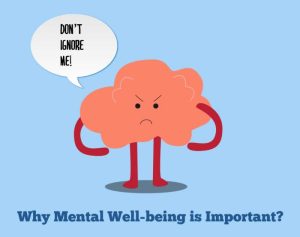
Regular exercise isn’t just about building muscles and shedding pounds; it’s a powerful tool for enhancing your mental well-being. Engaging in physical activity can significantly improve your mood, reduce stress, and even combat symptoms of anxiety and depression.
The Positive Impact of Exercise on Mental Health
Exercise has a remarkable ability to positively impact mental health. It triggers the release of endorphins, natural mood boosters that create feelings of happiness and well-being. Endorphins also act as natural painkillers, helping to alleviate physical discomfort and improve overall mood.
Exercise as a Stress Reducer
Exercise serves as a fantastic stress reliever. When you exercise, your body diverts energy away from the “fight or flight” response, which is triggered by stress. This allows your body to relax and recover. Physical activity can also help to clear your mind, allowing you to focus on the present moment and de-stress from daily worries.
Exercise for Anxiety and Depression
Exercise can be a valuable tool for managing anxiety and depression. Regular physical activity has been shown to reduce symptoms of both conditions. Exercise releases endorphins, which can elevate mood and combat feelings of sadness and hopelessness. It also helps to improve sleep quality, which is often disrupted by anxiety and depression.
Exercise for Mood Enhancement
Exercise can have a profound impact on your mood. Studies have shown that regular physical activity can boost self-esteem, increase energy levels, and reduce feelings of fatigue. It can also help to improve focus and concentration, leading to a more positive outlook on life.
Exercise for Cognitive Function
Exercise benefits your brain as well as your body. Regular physical activity can improve cognitive function, memory, and learning ability. It also helps to protect against age-related cognitive decline. Exercise stimulates the growth of new brain cells and improves blood flow to the brain, enhancing cognitive performance.
Exercise for Sleep Quality
Exercise can significantly improve sleep quality. Regular physical activity helps to regulate your body’s natural sleep-wake cycle. However, it’s important to avoid exercising too close to bedtime, as this can make it harder to fall asleep.
Closing Summary
By incorporating these exercises into your routine, you can achieve a stronger, healthier, and more energetic you. Remember to start slow, listen to your body, and enjoy the journey! With dedication and consistency, you can build a foundation for a lifelong commitment to fitness and well-being.
Embrace the power of home workouts and discover the joy of achieving your fitness goals in the comfort of your own space.
Quick FAQs
What equipment do I need for home workouts?
You can start with minimal equipment, such as a yoga mat, resistance bands, and a sturdy chair. As you progress, you can consider adding weights or other equipment based on your preferences.
How often should I workout?
Aim for at least 30 minutes of moderate-intensity exercise most days of the week. Start with 2-3 sessions and gradually increase the frequency as you build endurance.
What if I don’t see results immediately?
Remember that fitness is a journey, not a race. Be patient and consistent, and you’ll start to see results over time. Don’t get discouraged by setbacks, just keep pushing forward.
What are some healthy snack options for after a workout?
Choose snacks that are rich in protein and carbohydrates, such as Greek yogurt with fruit, a handful of almonds, or a protein shake.