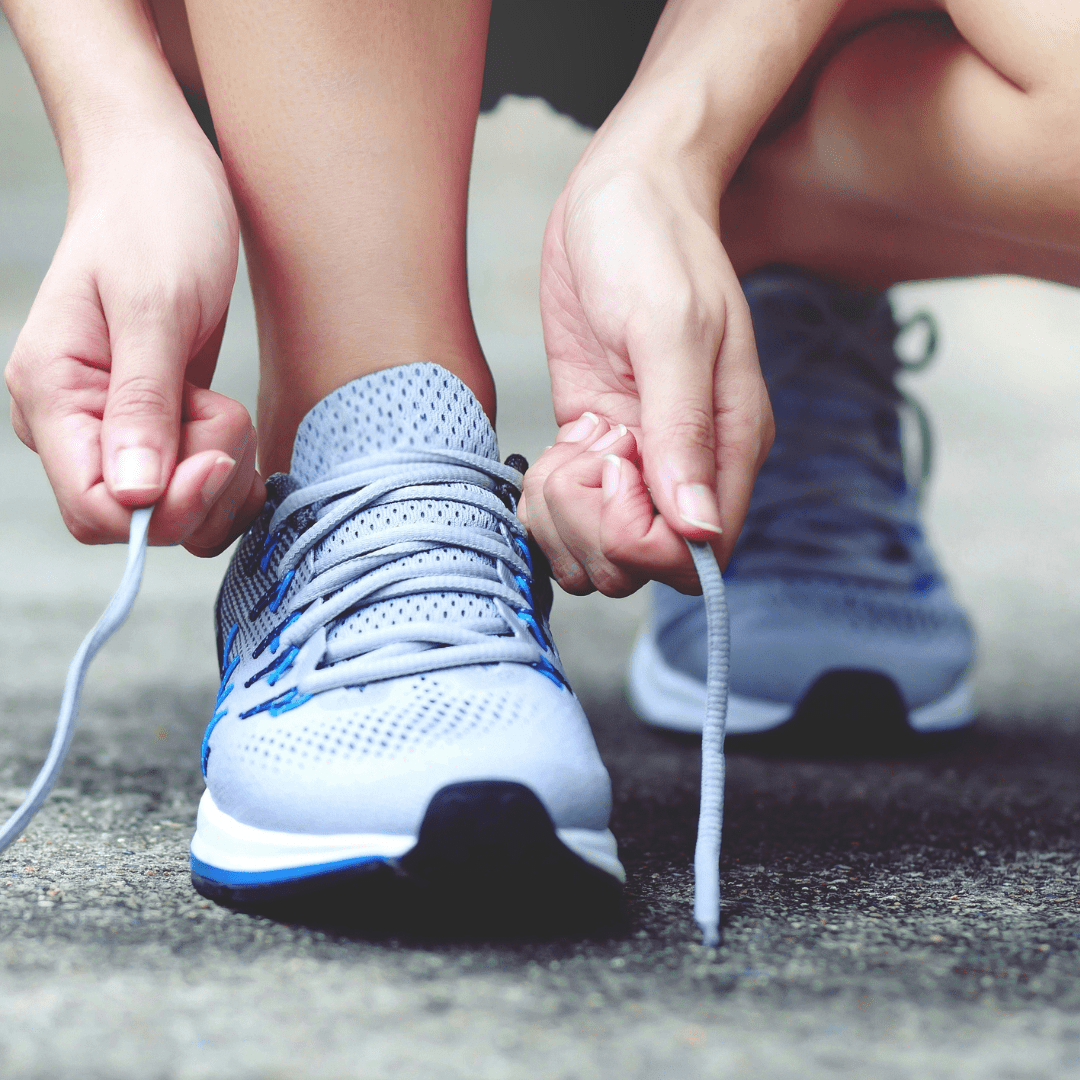
How to improve physical fitness without a gym membership? It’s a question many ask, seeking a path to a healthier lifestyle without the constraints of expensive gym memberships or packed schedules. The good news is that achieving a strong and fit body is entirely possible from the comfort of your own home or by embracing the outdoors.
You can build muscle, enhance your cardiovascular health, and improve your overall well-being through a variety of accessible methods, all without stepping foot in a gym.
This guide will explore a comprehensive approach to fitness, delving into the benefits of home workouts, bodyweight exercises, cardiovascular activities, and outdoor pursuits. We’ll discuss the importance of nutrition, rest, and motivation to ensure sustainable results. By incorporating these strategies into your daily routine, you can unlock your full fitness potential and enjoy a healthier, more fulfilling life.
Benefits of Home Workouts
Working out at home offers numerous advantages, making it a convenient and effective way to achieve your fitness goals. Home workouts provide a comfortable and private environment, eliminating the need for gym memberships and allowing you to exercise at your own pace.
Cost-Effectiveness of Home Workouts
Home workouts are a cost-effective way to stay fit. You can save a significant amount of money by avoiding gym memberships, equipment rentals, and other associated costs. This financial advantage allows you to allocate your budget towards other aspects of your life or invest in affordable home workout equipment.
Time-Saving Nature of Home Workouts
Home workouts can be incredibly time-saving. You eliminate the commute to and from the gym, saving valuable time that can be dedicated to other activities. Additionally, you have the flexibility to schedule your workouts around your busy schedule, maximizing your time efficiency.
Examples of Home Workouts Without Equipment
Many effective workouts can be performed at home without any equipment. These exercises engage multiple muscle groups and provide a full-body workout.
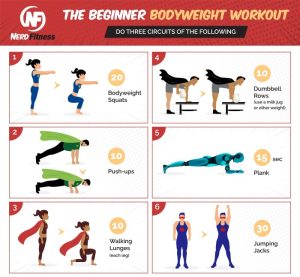
- Bodyweight exercises: These exercises utilize your own body weight for resistance, making them accessible and effective. Examples include squats, lunges, push-ups, planks, and burpees.
- Cardio exercises: Cardio workouts elevate your heart rate and improve cardiovascular health. Examples include running, jumping jacks, high knees, and mountain climbers.
- Yoga and Pilates: These disciplines enhance flexibility, strength, and balance. They can be practiced at home using online resources or videos.
Bodyweight Exercises
Bodyweight exercises are a fantastic way to improve your physical fitness without needing a gym membership. They utilize your own body weight as resistance, making them accessible, convenient, and effective for building strength, endurance, and flexibility.
Types of Bodyweight Exercises, How to improve physical fitness without a gym membership
Bodyweight exercises can be categorized based on the muscle groups they target. Here’s a comprehensive list of exercises, along with proper form and technique:
Upper Body Exercises
- Push-ups:
- Place your hands shoulder-width apart on the floor, fingers pointing forward.
- Lower your body until your chest touches the floor, keeping your back straight.
- Push back up to the starting position.
Proper Form:Maintain a straight line from your head to your heels, engaging your core throughout the movement.
- Pull-ups:
- Grab a pull-up bar with an overhand grip, slightly wider than shoulder-width apart.
- Hang from the bar with your arms fully extended.
- Pull yourself up until your chin clears the bar.
- Lower yourself back down to the starting position.
Proper Form:Keep your core engaged and your back straight throughout the movement.
- Dips:
- Place your hands shoulder-width apart on a bench or chair, fingers facing forward.
- Lower your body until your elbows are bent at a 90-degree angle.
- Push back up to the starting position.
Proper Form:Keep your back straight and your elbows close to your body throughout the movement.
- Plank:
- Start in a push-up position, but with your forearms on the floor, elbows directly below your shoulders.
- Engage your core and keep your body in a straight line from your head to your heels.
- Hold this position for as long as you can.
Proper Form:Ensure your body forms a straight line, avoiding sagging in the hips or arching the back.
Lower Body Exercises
- Squats:
- Stand with your feet shoulder-width apart, toes slightly pointed outward.
- Lower your hips as if you are sitting down on a chair, keeping your back straight.
- Stand back up to the starting position.
Proper Form:Keep your knees aligned with your toes and your core engaged throughout the movement.
- Lunges:
- Stand with your feet hip-width apart.
- Step forward with one leg, lowering your body until both knees are bent at a 90-degree angle.
- Push back up to the starting position.
- Repeat with the other leg.
Proper Form:Ensure your front knee stays behind your toes and your back knee doesn’t touch the ground.
- Calf Raises:
- Stand with your feet shoulder-width apart, heels slightly raised off the ground.
- Raise up onto your toes, squeezing your calf muscles.
- Lower your heels back down to the starting position.
Proper Form:Keep your knees slightly bent and your core engaged throughout the movement.
Core Exercises
- Crunches:
- Lie on your back with your knees bent and feet flat on the floor.
- Place your hands behind your head.
- Curl your upper body up towards your knees, engaging your core.
- Lower back down to the starting position.
Proper Form:Avoid pulling on your neck and keep your core engaged throughout the movement.
- Leg Raises:
- Lie on your back with your knees bent and feet flat on the floor.
- Place your hands by your sides.
- Raise your legs up towards the ceiling, keeping your core engaged.
- Lower your legs back down to the starting position.
Proper Form:Keep your lower back pressed against the floor and your core engaged throughout the movement.
- Russian Twists:
- Sit on the floor with your knees bent and feet flat on the floor.
- Lean back slightly, keeping your core engaged.
- Twist your upper body from side to side, keeping your core engaged.
Proper Form:Keep your back straight and your core engaged throughout the movement.
Sample Bodyweight Workout Routines
Beginner Routine
| Exercise | Sets | Reps | Rest |
|---|---|---|---|
| Push-ups | 3 | 8-12 | 60 seconds |
| Squats | 3 | 10-15 | 60 seconds |
| Lunges (each leg) | 3 | 8-12 | 60 seconds |
| Plank | 3 | 30 seconds | 60 seconds |
| Crunches | 3 | 15-20 | 60 seconds |
Advanced Routine
| Exercise | Sets | Reps | Rest |
|---|---|---|---|
| Push-ups (on your toes) | 4 | 12-15 | 60 seconds |
| Pull-ups | 4 | As many as possible (AMRAP) | 90 seconds |
| Dips | 4 | 10-12 | 60 seconds |
| Squats (with a jump) | 4 | 10-12 | 60 seconds |
| Lunges (with a jump) | 4 | 8-10 (each leg) | 60 seconds |
| Plank | 4 | 60 seconds | 60 seconds |
| Crunches | 4 | 20-25 | 60 seconds |
| Leg Raises | 4 | 15-20 | 60 seconds |
| Russian Twists | 4 | 15-20 (each side) | 60 seconds |
Cardiovascular Exercises
Cardiovascular exercises, also known as cardio, are essential for maintaining good health. They involve activities that elevate your heart rate and improve your body’s ability to use oxygen. Engaging in regular cardiovascular exercises strengthens your heart and lungs, reduces your risk of chronic diseases like heart disease, stroke, and type 2 diabetes, and helps you manage your weight.
Types of Cardiovascular Exercises
Cardiovascular exercises can be done at home, eliminating the need for a gym membership. You can incorporate various activities into your routine, depending on your preferences and fitness level.
- Running or jogging: Running is a high-impact exercise that can be done outdoors or on a treadmill. It’s a great way to burn calories and improve your cardiovascular fitness.
- Jumping jacks: Jumping jacks are a simple and effective way to get your heart rate up. They involve jumping with your feet apart and raising your arms overhead, then bringing your feet together and lowering your arms to your sides.
- Dancing: Dancing is a fun and engaging way to get a cardiovascular workout. You can dance to your favorite music or follow along with online dance tutorials.
- Cycling: Cycling is a low-impact exercise that can be done indoors on a stationary bike or outdoors on a regular bike. It’s a great way to improve your cardiovascular fitness and lower your risk of chronic diseases.
- Swimming: Swimming is a great full-body workout that is also low-impact. It’s a great way to improve your cardiovascular fitness and strength.
- Stair climbing: Stair climbing is a great way to get a cardiovascular workout and build lower body strength. You can climb stairs at home or at your workplace.
Cardio Workout Routine
Here is a sample cardio workout routine that can be adjusted to suit your fitness level:
Warm-up:
- 5 minutes of light cardio, such as walking or jogging in place.
- 5 minutes of dynamic stretching, such as arm circles, leg swings, and torso twists.
Workout:
- Choose 3-4 cardiovascular exercises from the list above.
- Perform each exercise for 30-60 seconds, followed by a 15-30 second rest.
- Repeat the circuit 2-3 times.
Cool-down:
- 5 minutes of light cardio, such as walking or jogging in place.
- 5 minutes of static stretching, holding each stretch for 30 seconds.
You can gradually increase the duration and intensity of your workouts as you get fitter.
Outdoor Activities
Outdoor activities offer a refreshing change of pace from traditional gym workouts. They provide opportunities to enjoy the fresh air, sunshine, and natural surroundings, while also promoting physical fitness. Moreover, incorporating outdoor activities into your fitness routine can be more engaging and enjoyable than indoor workouts, making it easier to stick to your fitness goals.
Outdoor Activities for Different Fitness Levels and Weather Conditions
Outdoor activities can be tailored to suit different fitness levels and weather conditions. Here’s a list of outdoor activities categorized by fitness level and weather suitability:
Beginner-Friendly Activities
- Walking:Walking is a low-impact activity suitable for all fitness levels and can be enjoyed in various weather conditions. It’s a great way to get started with outdoor exercise, improve cardiovascular health, and burn calories.
- Yoga in the Park:Practicing yoga outdoors allows you to connect with nature while improving flexibility, strength, and balance. Many parks offer free yoga classes, making it an accessible and enjoyable option.
- Swimming:Swimming is an excellent full-body workout that’s gentle on the joints. It’s ideal for warm weather and provides a refreshing escape from the heat.
Intermediate-Level Activities
- Hiking:Hiking offers a challenging workout that engages various muscle groups. Choose trails based on your fitness level and experience, gradually increasing the difficulty as you progress.
- Cycling:Cycling is a great cardiovascular workout that can be enjoyed in various weather conditions. Explore different routes and terrain to keep your workouts engaging and challenging.
- Rock Climbing:Rock climbing is a physically demanding activity that requires strength, endurance, and coordination. Start with indoor climbing gyms to learn the basics before venturing outdoors.
Advanced-Level Activities
- Trail Running:Trail running combines the cardiovascular benefits of running with the challenges of uneven terrain. It’s a highly rewarding activity for experienced runners seeking a new challenge.
- Mountain Biking:Mountain biking is an exhilarating activity that requires technical skills and physical fitness. Explore challenging trails and navigate obstacles for a truly immersive experience.
- Kayaking or Canoeing:Kayaking or canoeing is a great way to explore waterways and enjoy the beauty of nature. It’s a full-body workout that engages your core, arms, and legs.
Nutrition and Hydration
Fueling your body with the right nutrients is crucial for maximizing your fitness gains and supporting your workouts. Just like a car needs fuel to run, your body needs the right nutrients to perform at its best.
Importance of Balanced Nutrition
A balanced diet provides your body with the energy and building blocks it needs to build muscle, recover from exercise, and perform at its peak. When you eat a balanced diet, you’re giving your body the tools it needs to succeed in your fitness journey.
- Carbohydrates:Provide energy for your workouts. Choose complex carbohydrates like whole grains, fruits, and vegetables, which are digested slowly and provide sustained energy.
- Proteins:Essential for building and repairing muscle tissue. Include lean protein sources like chicken, fish, beans, and tofu in your diet.
- Healthy Fats:Important for hormone production and cell function. Choose healthy fats like those found in avocados, nuts, and olive oil.
Importance of Hydration
Staying hydrated is essential for overall health and performance, especially during and after workouts. When you exercise, you lose fluids through sweat. If you don’t replenish those fluids, you can experience fatigue, muscle cramps, and decreased performance.
- Before Exercise:Drink plenty of water a few hours before your workout to ensure you’re properly hydrated.
- During Exercise:Sip on water or a sports drink throughout your workout to stay hydrated.
- After Exercise:Replenish fluids lost during your workout by drinking plenty of water.
Rest and Recovery
Rest and recovery are crucial components of any fitness program, especially when working out without a gym. They allow your body to repair and rebuild muscle tissue, prevent injuries, and enhance your overall performance. By prioritizing rest and recovery, you can maximize your fitness gains and avoid setbacks.
Sleep Duration and Quality
Adequate sleep is essential for muscle recovery and overall health. During sleep, your body releases hormones that promote muscle growth and repair. Aim for 7-9 hours of quality sleep each night to ensure your body has enough time to recover from your workouts.
- Establish a Regular Sleep Schedule:Go to bed and wake up around the same time each day, even on weekends, to regulate your body’s natural sleep-wake cycle.
- Create a Relaxing Bedtime Routine:Wind down an hour or two before bed by engaging in calming activities such as reading, taking a warm bath, or listening to soothing music.
- Optimize Your Sleep Environment:Ensure your bedroom is dark, quiet, and cool. Use blackout curtains, earplugs, or a white noise machine to minimize distractions.
Stretching and Foam Rolling
Stretching and foam rolling are excellent ways to improve flexibility, reduce muscle soreness, and enhance recovery. These practices can help to release tension, improve blood flow, and prevent injuries.
- Static Stretching:Hold each stretch for 30 seconds, focusing on lengthening the muscles and increasing your range of motion.
- Dynamic Stretching:Perform controlled movements that gradually increase your range of motion, such as arm circles or leg swings.
- Foam Rolling:Use a foam roller to massage your muscles and release tension. Focus on areas that feel tight or sore, such as your back, legs, or shoulders.
Motivation and Consistency
Maintaining a consistent workout routine at home can be challenging, but it’s crucial for achieving your fitness goals. Staying motivated and consistent requires a strategic approach and a commitment to making fitness a habit.
Setting Realistic Goals and Tracking Progress
Setting achievable goals is fundamental to maintaining motivation. It’s important to establish realistic expectations and track your progress to stay on track. Start with small, manageable goals that you can build upon over time. For example, aim for three 30-minute workouts per week initially, gradually increasing the duration or frequency as you become more comfortable.
Tracking your progress can be done through various methods, such as a fitness journal, a mobile app, or a simple spreadsheet. By visually seeing your improvements, you’ll be more likely to stay motivated and continue pushing yourself.
Utilizing Resources and Communities
There are numerous resources and online communities that can provide support and accountability for your home workout journey. Consider joining a fitness group on social media or a local community fitness forum. These platforms allow you to connect with like-minded individuals, share your progress, and receive encouragement and tips.
Additionally, online workout platforms and apps often offer features that help you stay motivated, such as challenges, leaderboards, and personalized workout plans. You can also find free workout videos and routines online, which can provide variety and inspiration.
“Consistency is key to success in any endeavor, and fitness is no exception.”
Summary
Ultimately, improving physical fitness without a gym membership is about embracing a holistic approach that combines exercise, nutrition, and a positive mindset. By prioritizing your well-being and committing to consistent effort, you can achieve remarkable results and experience the transformative power of fitness.
Remember, your journey to a healthier and fitter you begins with a single step, so take that first step today and unlock your full potential!
FAQ Explained: How To Improve Physical Fitness Without A Gym Membership
Can I get fit without lifting weights?
Absolutely! Bodyweight exercises are incredibly effective for building strength and muscle. They utilize your own body weight as resistance, providing a challenging and versatile workout.
How much time should I dedicate to exercise each week?
Aim for at least 150 minutes of moderate-intensity aerobic activity or 75 minutes of vigorous-intensity aerobic activity per week. You can also incorporate muscle-strengthening activities at least twice a week.
What are some beginner-friendly home workouts?
Start with basic exercises like squats, lunges, push-ups, planks, and jumping jacks. As you get stronger, you can gradually increase the intensity and duration of your workouts.
How do I stay motivated with home workouts?
Find an activity you enjoy, set realistic goals, track your progress, and consider joining online fitness communities for support and accountability.