Best time of day for regular exercise to maximize results is a question that often arises among fitness enthusiasts. While there’s no one-size-fits-all answer, understanding the science behind exercise timing and how it affects our bodies can help us optimize our workouts for better outcomes.
Our bodies have natural rhythms, known as circadian rhythms, that influence hormone levels, energy expenditure, and muscle recovery throughout the day. These rhythms play a crucial role in how our bodies respond to exercise at different times. For example, cortisol, a stress hormone, peaks in the morning, potentially boosting fat burning during early workouts.
Conversely, growth hormone, essential for muscle growth and repair, tends to be higher in the evening, making this time ideal for strength training.
The Science Behind Exercise Timing
The timing of your workouts can significantly impact your fitness results. Our bodies follow a natural rhythm called the circadian rhythm, which influences hormone levels, muscle recovery, and energy expenditure throughout the day. Understanding how this rhythm interacts with exercise can help you maximize your training benefits.
Hormonal Rhythms and Exercise
Our bodies produce various hormones that play a crucial role in regulating our metabolism, energy levels, and muscle growth. These hormones fluctuate throughout the day, following a cyclical pattern.
- Cortisol: This stress hormone peaks in the morning, helping us wake up and prepare for the day. Cortisol levels naturally decline throughout the day. Exercise can temporarily increase cortisol levels, but regular training can help regulate cortisol production and reduce overall stress.
- Growth Hormone: This hormone is essential for muscle growth and repair. Growth hormone levels are typically higher during sleep and can be stimulated by exercise, particularly during the evening.
Morning Exercise
Starting your day with exercise can have numerous benefits for your physical and mental well-being. It can set a positive tone for the day, improve energy levels, and potentially boost your metabolism.
Benefits of Morning Exercise
The advantages of morning exercise are multifaceted.
- Increased Energy Levels:Morning exercise can stimulate your body’s production of endorphins, which have mood-boosting effects and can help you feel more energized throughout the day. This can be particularly helpful if you tend to feel sluggish in the mornings.
- Improved Mood:Regular exercise is known to reduce stress and anxiety, and starting your day with a workout can help you feel more positive and focused. This can have a ripple effect on your overall mood and productivity throughout the day.
- Potential for Better Fat Burning:Some studies suggest that morning exercise, especially in a fasted state, might lead to greater fat burning compared to exercising later in the day. This is because your body may be more reliant on fat stores for energy when your glycogen levels are lower.
Challenges of Morning Exercise
While the benefits are compelling, there are some potential challenges associated with morning workouts.
- Potential for Fatigue:If you’re not used to exercising in the morning, you might find yourself feeling tired or sluggish. This can be especially true if you’re not getting enough sleep.
- Sleep Disruption:If you’re not careful, exercising too close to bedtime can interfere with your sleep. It’s best to allow for at least two to three hours between your workout and bedtime.
- Need for Adequate Warm-Up:Your muscles may be more stiff in the morning, so it’s essential to warm up thoroughly before starting your workout. This can help prevent injuries and make your workout more effective.
Effective Morning Workout Routines
Morning workouts can be tailored to your fitness level and goals. Here are some examples:
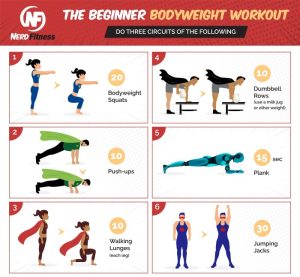
- Beginner:A 20-minute walk or light jog, followed by some bodyweight exercises like squats, lunges, and push-ups. This can be a good starting point for those new to exercise.
- Intermediate:A 30-minute HIIT (High-Intensity Interval Training) workout that alternates between bursts of intense activity and short recovery periods. This can be a great way to burn calories and improve cardiovascular fitness.
- Advanced:A 45-minute strength training session that focuses on compound exercises like deadlifts, squats, and bench presses. This can help build muscle mass and improve overall strength.
Afternoon Exercise
The afternoon presents a unique window for exercise, offering a balance between the invigorating morning and the winding down evening. This time slot can be particularly beneficial for certain individuals, offering a combination of advantages and potential drawbacks that are worth exploring.
Advantages of Afternoon Exercise
Afternoon exercise can be advantageous for several reasons. The body’s natural rhythms often lead to peak performance in the late morning and early afternoon. This means that your body might be better prepared to handle strenuous activity during this time.
- Improved Performance:Research suggests that individuals often experience improved physical performance in the afternoon, potentially due to increased body temperature and enhanced muscle function.
- Enhanced Strength:Afternoon workouts can contribute to greater strength gains, as your body has had time to recover from the morning’s activities and may be more receptive to building muscle.
- Potential for Greater Muscle Growth:The increased testosterone levels that occur in the afternoon may promote muscle growth and repair, making it a favorable time for weightlifting or other strength training exercises.
Drawbacks of Afternoon Exercise
While afternoon exercise offers potential benefits, it’s crucial to consider potential drawbacks as well.
- Fatigue from Work or Other Activities:The afternoon is often a time when individuals experience fatigue from work, errands, or other commitments. This fatigue can impact exercise intensity and effectiveness.
- Need for Proper Hydration:It’s essential to stay adequately hydrated throughout the day, especially during afternoon workouts. Dehydration can lead to decreased performance and potential health risks.
Afternoon Workout Routines
Afternoon workouts can be tailored to various fitness levels and goals. Here are some examples:
For Beginners
A beginner-friendly afternoon workout could involve:
- Light Cardio:A brisk walk or a 30-minute jog can help improve cardiovascular health and boost energy levels.
- Bodyweight Exercises:Simple exercises like squats, push-ups, and lunges can strengthen muscles without requiring equipment.
For Intermediate Fitness Levels
Individuals with intermediate fitness levels might benefit from:
- Moderate Intensity Cardio:A 30-minute session of cycling, swimming, or a HIIT (High-Intensity Interval Training) workout can provide a challenging yet effective workout.
- Strength Training:Focus on compound exercises like deadlifts, bench presses, and rows to engage multiple muscle groups simultaneously.
For Advanced Fitness Levels
For those with advanced fitness levels, afternoon workouts could include:
- High-Intensity Training:Advanced HIIT workouts with short bursts of intense activity followed by brief recovery periods can maximize calorie burn and improve endurance.
- Advanced Strength Training:Incorporate heavier weights and more challenging exercises to target specific muscle groups and enhance strength and power.
Healthy Eating
A balanced diet is the cornerstone of optimal health and well-being. It provides your body with the essential nutrients it needs to function properly, supports energy levels, strengthens your immune system, and reduces your risk of chronic diseases.
Nutritional Benefits of Food Groups
A balanced diet encompasses a variety of food groups, each offering unique nutritional benefits.
- Fruits and Vegetables:Rich in vitamins, minerals, antioxidants, and fiber, fruits and vegetables promote healthy digestion, boost immunity, and protect against heart disease and cancer. Examples include apples, bananas, oranges, spinach, broccoli, and carrots.
- Whole Grains:Whole grains, such as brown rice, quinoa, oats, and whole-wheat bread, provide complex carbohydrates, fiber, and essential vitamins and minerals. They contribute to sustained energy levels, regulate blood sugar, and promote heart health.
- Lean Protein Sources:Lean protein sources, including fish, poultry, beans, lentils, tofu, and nuts, are essential for building and repairing tissues, producing enzymes and hormones, and maintaining a healthy immune system.
- Healthy Fats:Healthy fats, such as those found in avocados, olive oil, nuts, and seeds, are crucial for hormone production, cell function, and brain health. They also help absorb vitamins and minerals.
- Dairy Products:Dairy products, such as milk, yogurt, and cheese, provide calcium, vitamin D, and protein, which are essential for strong bones and teeth. They also contribute to healthy blood pressure and muscle function.
Healthy Meal Plans, Best time of day for regular exercise to maximize results
Incorporating a variety of fruits, vegetables, whole grains, and lean protein sources into your daily meals is crucial for optimal health. Here are some examples of healthy meal plans:
- Breakfast:Oatmeal with berries and nuts, Greek yogurt with fruit and granola, or scrambled eggs with whole-wheat toast and avocado.
- Lunch:Salad with grilled chicken or fish, lentil soup with whole-wheat bread, or a veggie wrap with hummus.
- Dinner:Baked salmon with roasted vegetables and brown rice, chicken stir-fry with brown rice noodles, or vegetarian chili with cornbread.
Preventive Care: Best Time Of Day For Regular Exercise To Maximize Results
Preventive care is a crucial aspect of maintaining good health and preventing serious health problems. It involves proactive measures taken to identify and address potential health issues before they become major concerns.
Importance of Regular Medical Checkups and Preventive Screenings
Regular medical checkups and preventive screenings play a vital role in early detection and prevention of health problems. These assessments allow healthcare professionals to identify potential issues at their early stages when they are often easier to treat and manage.
“Prevention is better than cure.”
Early detection of health problems can significantly improve treatment outcomes and reduce the risk of complications. Regular checkups and screenings can help individuals make informed decisions about their health and take appropriate preventive measures.
Common Preventive Care Measures
Preventive care measures include a range of services designed to promote good health and prevent disease.
Vaccinations
Vaccinations are a cornerstone of preventive care, protecting individuals from potentially serious and life-threatening diseases. They work by introducing a weakened or inactive form of a pathogen into the body, triggering the immune system to develop antibodies against it.
- Common vaccinations include those for measles, mumps, rubella (MMR), tetanus, diphtheria, pertussis (Tdap), influenza, and the human papillomavirus (HPV).
- Vaccination schedules vary based on age and individual health conditions.
- Vaccinations have been proven to significantly reduce the incidence of preventable diseases.
Blood Pressure Checks
High blood pressure, also known as hypertension, is a major risk factor for heart disease, stroke, and other health problems. Regular blood pressure checks are essential for identifying and managing high blood pressure.
- Blood pressure readings are typically measured in millimeters of mercury (mmHg).
- A healthy blood pressure reading is generally considered to be below 120/80 mmHg.
- Regular blood pressure monitoring allows individuals to identify and address high blood pressure early on.
Cancer Screenings
Cancer screenings are designed to detect cancer at its early stages when it is often easier to treat.
- Common cancer screenings include mammograms for breast cancer, colonoscopies for colorectal cancer, Pap tests for cervical cancer, and prostate-specific antigen (PSA) tests for prostate cancer.
- Screening recommendations vary based on age, family history, and other factors.
- Early detection of cancer can significantly improve treatment outcomes and survival rates.
Accessing Preventive Care Services
Preventive care services are widely accessible through various healthcare providers and programs.
- Primary care physicians offer a range of preventive care services, including routine checkups, vaccinations, and screenings.
- Community health centers provide affordable and accessible preventive care services to individuals of all socioeconomic backgrounds.
- Public health programs, such as the Centers for Disease Control and Prevention (CDC), offer information and resources on preventive care.
Balanced Diet
A balanced diet is essential for maintaining optimal health and well-being. It involves consuming a variety of foods from all food groups in appropriate proportions to provide the body with the necessary nutrients for growth, development, and overall health.
Importance of Nutrient Variety
Consuming a variety of nutrients is crucial for supporting various bodily functions. Each nutrient plays a specific role in maintaining health, and a balanced diet ensures that the body receives adequate amounts of all essential nutrients.
- Macronutrients:These provide the body with energy and are essential for building and repairing tissues. They include carbohydrates, proteins, and fats.
- Micronutrients:These are essential for regulating various bodily processes and supporting overall health. They include vitamins, minerals, and antioxidants.
Healthy Meal Plans, Best time of day for regular exercise to maximize results
A balanced diet should include a variety of foods from all food groups, such as fruits, vegetables, whole grains, lean proteins, and healthy fats. Here are some examples of healthy meal plans that incorporate a balanced intake of macronutrients and micronutrients:
Breakfast
- Oatmeal with berries and nuts
- Whole-grain toast with avocado and an egg
- Greek yogurt with fruit and granola
Lunch
- Salad with grilled chicken or fish
- Whole-grain sandwich with lean protein and vegetables
- Lentil soup with a side of whole-grain bread
Dinner
- Baked salmon with roasted vegetables
- Chicken stir-fry with brown rice
- Vegetarian chili with whole-grain cornbread
Regular Exercise
Regular exercise is crucial for maintaining a healthy lifestyle and maximizing your overall well-being. It offers numerous benefits for both your physical and mental health, making it an essential component of a balanced life.
Benefits of Regular Exercise
Regular exercise has a wide range of benefits for both your physical and mental health.
- Improved Cardiovascular Health:Exercise strengthens your heart and lungs, reducing your risk of heart disease, stroke, and other cardiovascular problems.
- Weight Management:Regular exercise helps you burn calories, which can aid in weight loss or weight maintenance.
- Stronger Bones and Muscles:Exercise builds and maintains bone density, reducing the risk of osteoporosis, and strengthens muscles, improving mobility and balance.
- Reduced Risk of Chronic Diseases:Exercise lowers your risk of developing chronic diseases such as type 2 diabetes, some types of cancer, and arthritis.
- Improved Mental Health:Exercise releases endorphins, which have mood-boosting effects, reducing stress, anxiety, and depression.
- Better Sleep Quality:Regular exercise can promote better sleep quality, helping you fall asleep faster and sleep more soundly.
- Increased Energy Levels:While it may seem counterintuitive, exercise can actually boost your energy levels and reduce fatigue.
- Improved Cognitive Function:Exercise can improve brain function, memory, and cognitive skills, especially as you age.
Types of Exercise and Their Benefits
There are many different types of exercise, each with its own unique benefits.
- Aerobic Exercise:Aerobic exercise, such as running, swimming, cycling, and dancing, strengthens your heart and lungs, improves cardiovascular health, and burns calories.
- Strength Training:Strength training, such as lifting weights or using resistance bands, builds and maintains muscle mass, improves bone density, and boosts metabolism.
- Flexibility Exercise:Flexibility exercise, such as yoga, Pilates, and stretching, improves range of motion, reduces muscle stiffness, and promotes better posture.
- Balance Exercise:Balance exercise, such as tai chi and yoga, improves balance and coordination, reducing the risk of falls, especially as you age.
Recommended Exercise Guidelines
The amount of exercise you need depends on your age, fitness level, and overall health. The following table provides general guidelines for different age groups and fitness levels:
| Age Group | Fitness Level | Recommended Exercise |
|---|---|---|
| 18-64 | Sedentary | At least 150 minutes of moderate-intensity aerobic activity or 75 minutes of vigorous-intensity aerobic activity per week, plus muscle-strengthening activities that work all major muscle groups at least 2 days a week. |
| 18-64 | Active | At least 300 minutes of moderate-intensity aerobic activity or 150 minutes of vigorous-intensity aerobic activity per week, plus muscle-strengthening activities that work all major muscle groups at least 2 days a week. |
| 65+ | Sedentary | At least 150 minutes of moderate-intensity aerobic activity or 75 minutes of vigorous-intensity aerobic activity per week, plus muscle-strengthening activities that work all major muscle groups at least 2 days a week. |
| 65+ | Active | At least 300 minutes of moderate-intensity aerobic activity or 150 minutes of vigorous-intensity aerobic activity per week, plus muscle-strengthening activities that work all major muscle groups at least 2 days a week. |
Note:If you have any underlying health conditions, consult with your doctor before starting any new exercise program.
Mental Health
Mental health is just as important as physical health, and it plays a vital role in our overall well-being. When our mental health is good, we are better able to cope with life’s challenges, build strong relationships, and achieve our goals.
However, when our mental health is struggling, it can significantly impact our ability to function in our daily lives.
Common Mental Health Conditions
Mental health conditions are common, affecting millions of people worldwide. It’s essential to understand the various conditions and their symptoms to seek help when needed.
- Anxiety Disorders:Anxiety disorders are characterized by excessive worry, fear, and nervousness. Common anxiety disorders include generalized anxiety disorder, panic disorder, and social anxiety disorder.
- Depression:Depression is a mood disorder characterized by persistent feelings of sadness, hopelessness, and loss of interest in activities. It can significantly impact sleep, appetite, and energy levels.
- Bipolar Disorder:Bipolar disorder is a mood disorder characterized by extreme shifts in mood, energy, and activity levels. People with bipolar disorder experience periods of mania or hypomania, where they feel euphoric and energized, followed by periods of depression.
- Schizophrenia:Schizophrenia is a chronic mental illness characterized by distorted thinking, hallucinations, and delusions. It can also affect a person’s ability to function in everyday life.
- Obsessive-Compulsive Disorder (OCD):OCD is characterized by persistent intrusive thoughts and repetitive behaviors. People with OCD often feel compelled to perform specific rituals or actions to reduce their anxiety.
- Post-Traumatic Stress Disorder (PTSD):PTSD is a mental health condition that can develop after a traumatic event. Symptoms include flashbacks, nightmares, and avoidance behaviors.
Accessing Mental Health Services
If you are struggling with your mental health, it is crucial to seek help. There are many resources available, including:
- Therapists and Counselors:Therapists and counselors are mental health professionals who can provide support and guidance to help you manage your mental health.
- Psychiatrists:Psychiatrists are medical doctors who specialize in the diagnosis and treatment of mental health conditions. They can prescribe medication if needed.
- Support Groups:Support groups provide a safe and supportive environment for people with similar mental health challenges to connect and share their experiences.
- Online Resources:Many online resources offer information and support for mental health conditions. Some websites offer self-help tools and resources, while others provide access to mental health professionals.
“It’s okay to not be okay. Seeking help is a sign of strength, not weakness.”
Holistic Wellness
Holistic wellness is a comprehensive approach to health that emphasizes the interconnectedness of all aspects of well-being. It goes beyond simply focusing on the absence of disease and aims to create a state of overall balance and harmony.
Dimensions of Wellness
Holistic wellness recognizes that health is a multifaceted concept that encompasses various dimensions. These dimensions are interconnected and influence each other, and achieving optimal well-being requires addressing all of them.
- Physical Health: This dimension encompasses our physical body and its functions. It includes factors like nutrition, exercise, sleep, and managing stress.
- Mental Health: This dimension refers to our cognitive and emotional well-being. It includes factors like our thoughts, feelings, and how we cope with challenges.
- Emotional Health: This dimension focuses on our ability to manage and express our emotions in healthy ways. It includes factors like self-awareness, emotional regulation, and resilience.
- Social Health: This dimension relates to our connections with others and our ability to build and maintain healthy relationships. It includes factors like social support, community involvement, and communication skills.
- Spiritual Health: This dimension involves our sense of purpose, meaning, and connection to something greater than ourselves. It includes factors like values, beliefs, and spirituality.
Holistic Wellness Practices
Holistic wellness practices aim to promote balance and harmony across all dimensions of well-being. They often involve integrating various approaches to create a holistic approach to health.
- Mindfulness Meditation: Mindfulness meditation involves focusing on the present moment without judgment. It can help reduce stress, improve emotional regulation, and enhance self-awareness.
- Yoga: Yoga combines physical postures, breathing techniques, and meditation to promote physical, mental, and emotional well-being.
- Acupuncture: Acupuncture involves inserting thin needles into specific points on the body to stimulate energy flow and promote healing.
- Herbal Remedies: Herbal remedies use plants to address various health concerns. They can be used to support physical health, promote relaxation, and improve mood.
- Nature Therapy: Spending time in nature has been shown to have numerous benefits for mental and physical health. It can reduce stress, improve mood, and enhance creativity.
Chronic Diseases
Chronic diseases are long-lasting conditions that generally cannot be cured but can be managed through lifestyle changes and medical treatment. They pose significant health risks, affecting millions globally. Understanding their risk factors and taking preventive measures is crucial for maintaining overall well-being.
Risk Factors for Chronic Diseases
Several factors contribute to the development of chronic diseases, including:
- Genetics:Family history plays a role in susceptibility to certain chronic conditions. For example, a family history of heart disease increases the risk of developing cardiovascular problems.
- Lifestyle:Unhealthy habits like smoking, excessive alcohol consumption, and lack of physical activity significantly increase the risk of chronic diseases.
- Environmental Factors:Exposure to pollutants, toxins, and other environmental hazards can contribute to chronic disease development.
- Age:The risk of developing chronic diseases generally increases with age.
- Other Medical Conditions:Pre-existing conditions like diabetes or high blood pressure can increase the risk of developing other chronic diseases.
The Role of Lifestyle Factors
Lifestyle choices play a significant role in preventing and managing chronic diseases.
- Diet:A balanced diet rich in fruits, vegetables, whole grains, and lean protein is essential for maintaining a healthy weight and reducing the risk of chronic diseases like heart disease, stroke, and type 2 diabetes.
- Exercise:Regular physical activity strengthens the heart, improves blood sugar control, and helps maintain a healthy weight, reducing the risk of chronic diseases.
- Stress Management:Chronic stress can contribute to the development of chronic diseases. Techniques like yoga, meditation, and deep breathing can help manage stress levels.
- Sleep:Adequate sleep is crucial for overall health and well-being. Lack of sleep can increase the risk of chronic diseases.
Managing Chronic Diseases
Managing chronic diseases involves a multi-faceted approach, including:
- Medication:Prescription medications are often used to control symptoms and manage chronic diseases. It is crucial to follow your doctor’s instructions regarding medication dosage and frequency.
- Lifestyle Changes:Modifying lifestyle factors like diet, exercise, and stress management is essential for managing chronic diseases effectively.
- Regular Checkups:Regular visits to your healthcare provider are crucial for monitoring your condition and making necessary adjustments to your treatment plan.
- Support Groups:Connecting with others who have similar conditions can provide emotional support and practical advice for managing chronic diseases.
Resources for Managing Chronic Diseases
Several resources are available to help individuals manage chronic diseases:
- American Heart Association:Provides information and resources for heart disease prevention and management.
[https://www.heart.org/](https://www.heart.org/)
- American Diabetes Association:Offers information and support for individuals with diabetes.
[https://www.diabetes.org/](https://www.diabetes.org/)
- National Institutes of Health (NIH):Provides comprehensive information on various chronic diseases and their management.
[https://www.nih.gov/](https://www.nih.gov/)
Immunity Boosters
A robust immune system is essential for protecting your body against a wide range of illnesses, including infections, chronic diseases, and even some types of cancer. A healthy immune system can quickly identify and eliminate harmful pathogens, preventing them from causing disease.
Lifestyle Factors That Enhance Immunity
Several lifestyle choices can significantly strengthen your immune system. These include:
- A balanced diet rich in fruits, vegetables, and whole grainsprovides essential vitamins, minerals, and antioxidants that support immune function. These nutrients help maintain the health of immune cells and improve their ability to fight off infections.
- Regular exercisehelps boost the immune system by increasing blood circulation, improving lymphatic drainage, and reducing inflammation. Exercise also helps regulate stress levels, which can negatively impact immune function.
- Adequate sleepis crucial for immune health. During sleep, the body produces cytokines, proteins that help regulate immune responses. Sleep deprivation can suppress the immune system, making you more susceptible to infections.
- Managing stressis essential for maintaining a strong immune system. Chronic stress can weaken the immune system, making you more vulnerable to illness. Stress management techniques such as yoga, meditation, or deep breathing exercises can help improve immune function.
- Avoiding smoking and excessive alcohol consumptionis vital for immune health. Smoking damages the lungs and weakens the immune system, increasing the risk of infections. Excessive alcohol consumption can also suppress immune function, making you more susceptible to illness.
Natural Immunity Boosters
In addition to lifestyle factors, certain foods and herbs can help boost your immune system naturally:
- Fruits: Citrus fruits, berries, and kiwi are rich in vitamin C, an antioxidant that supports immune function. Other fruits, such as mangoes, papayas, and pineapples, are also rich in vitamins and minerals that can help strengthen the immune system.
- Vegetables: Leafy green vegetables, broccoli, carrots, and garlic are excellent sources of vitamins, minerals, and antioxidants that boost immune function. Garlic, in particular, contains allicin, a compound with antibacterial and antiviral properties.
- Herbs: Ginger, turmeric, and echinacea are known for their immune-boosting properties. Ginger has anti-inflammatory properties, turmeric contains curcumin, a powerful antioxidant, and echinacea is traditionally used to shorten the duration of colds.
Conclusive Thoughts
Ultimately, the best time for exercise is the time that fits best into your individual schedule and preferences. By considering the factors discussed, you can make an informed decision that aligns with your goals and maximizes your exercise benefits. Whether you’re a morning person or a night owl, finding the optimal time to exercise can lead to a more enjoyable and effective fitness journey.
Essential FAQs
Is it better to exercise before or after breakfast?
Exercising before breakfast can lead to better fat burning, but it’s essential to listen to your body and ensure you have enough energy to fuel your workout. If you feel fatigued, having a light snack beforehand can help.
Does exercise timing affect muscle growth?
While research suggests that growth hormone levels are higher in the evening, muscle growth is influenced by various factors, including nutrition, training intensity, and overall sleep quality. Focus on consistency and proper recovery regardless of the time you exercise.
How can I determine the best time for exercise based on my sleep patterns?
If you’re a morning person, you might find it easier to exercise in the morning and still get enough sleep. Conversely, if you’re a night owl, evening workouts might be more beneficial for you. Experiment with different times and see what works best for your body.