How to boost immunity during cold and flu season is a question on many minds as the weather turns colder and the days grow shorter. The immune system, our body’s natural defense against illness, can be weakened by factors like stress, lack of sleep, and poor nutrition, making us more susceptible to infections.
Understanding how to strengthen our immune system can help us stay healthy during this vulnerable time.
This guide will explore a variety of strategies for boosting immunity, from healthy lifestyle choices to preventive measures and even alternative approaches. We’ll delve into the science behind immune function, providing practical tips and evidence-based information to help you navigate the cold and flu season with greater confidence.
Understanding Immunity and Cold & Flu Season: How To Boost Immunity During Cold And Flu Season
Our immune system is our body’s defense mechanism against infections. It comprises a complex network of cells, tissues, and organs that work together to identify and eliminate harmful invaders like bacteria, viruses, and fungi. When we encounter a pathogen, our immune system mounts a response, attacking and destroying the invaders to prevent them from spreading and causing illness.
However, during cold and flu season, our immune system can be weakened, making us more susceptible to infections. This is due to several factors, including environmental changes, lifestyle habits, and exposure to various pathogens.
Factors Contributing to Weakened Immunity During Cold & Flu Season
The cold and flu season typically occurs during the fall and winter months when people spend more time indoors. This can lead to increased exposure to pathogens, as they can easily spread through close contact and shared spaces. Other factors that contribute to weakened immunity include:
- Cold weather:Cold temperatures can suppress the immune system, making it harder for the body to fight off infections.
- Dry air:Cold, dry air can irritate the nasal passages and dry out the mucous membranes, which are important for trapping and removing pathogens.
- Lack of sunlight:Reduced exposure to sunlight can lead to lower vitamin D levels, which is essential for immune function.
- Stress:Chronic stress can suppress the immune system, making it more difficult to fight off infections.
- Lack of sleep:Sleep deprivation can also weaken the immune system, making it more vulnerable to infections.
- Poor diet:A diet lacking in essential nutrients can compromise immune function.
- Smoking:Smoking weakens the immune system and increases the risk of respiratory infections.
- Alcohol consumption:Excessive alcohol consumption can also suppress the immune system.
The Common Cold and Flu Viruses
The common cold and influenza (flu) are respiratory illnesses caused by viruses. While both cause similar symptoms, they are caused by different viruses and have different characteristics.
Common Cold
The common cold is caused by a group of viruses known as rhinoviruses. These viruses are highly contagious and spread through respiratory droplets, such as those released when someone coughs or sneezes. The common cold is characterized by symptoms such as:
- Runny nose
- Stuffy nose
- Sore throat
- Cough
- Sneezing
- Mild fever
- Headache
- Body aches
Influenza
Influenza is caused by influenza viruses, which are also highly contagious. These viruses are spread through respiratory droplets released when an infected person coughs, sneezes, or talks. Symptoms of influenza are often more severe than those of the common cold and can include:
- High fever
- Chills
- Muscle aches
- Headache
- Fatigue
- Cough
- Sore throat
- Runny nose
- Stuffy nose
In some cases, influenza can lead to serious complications, such as pneumonia, bronchitis, and ear infections.
Physical Fitness
Your body’s ability to fight off infections is directly linked to your physical fitness. Regular exercise is a key component of a healthy lifestyle and can significantly boost your immune system.
Exercise and Immune Function
Regular exercise strengthens your immune system by increasing the circulation of white blood cells, which are the body’s primary defense against infections. Exercise also helps to reduce stress, which can weaken the immune system. A well-functioning immune system can help you fight off viruses and bacteria more effectively.
Exercise Recommendations for Cold and Flu Season
- Moderate-intensity exercise: Aim for at least 30 minutes of moderate-intensity exercise most days of the week. This could include brisk walking, cycling, swimming, or dancing.
- High-intensity interval training (HIIT): HIIT involves short bursts of intense exercise followed by brief recovery periods. This type of exercise can be effective for boosting immunity, but it’s important to start slowly and gradually increase the intensity.
- Strength training: Strength training helps to build muscle mass, which can help to improve your overall health and fitness. Aim for two to three strength-training sessions per week, focusing on major muscle groups.
Healthy Eating
A balanced diet plays a crucial role in strengthening your immune system, making it better equipped to fight off infections during cold and flu season. Consuming a variety of nutrient-rich foods can provide your body with the essential building blocks it needs to function optimally.
Key Nutrients for Immune Health
A balanced diet provides your body with a variety of nutrients that support immune function.
- Vitamin C: A powerful antioxidant that helps protect cells from damage caused by free radicals, which are unstable molecules that can contribute to inflammation. Vitamin C also supports the production of white blood cells, which are essential for fighting infections.
Good sources of vitamin C include citrus fruits, berries, bell peppers, and broccoli.
- Vitamin D: This vitamin plays a vital role in immune regulation, helping to activate immune cells and reduce inflammation. It can be obtained from sunlight exposure, fatty fish, and fortified foods like milk and yogurt.
- Zinc: This mineral is essential for immune cell development and function. It helps to regulate the immune response and fight off infections. Good sources of zinc include oysters, red meat, poultry, beans, and nuts.
- Selenium: An important trace mineral that plays a role in immune cell function and the production of antibodies. Selenium can be found in Brazil nuts, tuna, and eggs.
- Probiotics: These beneficial bacteria live in your gut and help to maintain a healthy gut microbiome, which is crucial for immune function. Probiotics can be found in fermented foods like yogurt, kefir, and sauerkraut.
Sample Meal Plan
Here’s a sample meal plan that incorporates immune-boosting foods: Breakfast:
- Oatmeal with berries and a sprinkle of chopped nuts.
- Greek yogurt with a scoop of protein powder and a handful of blueberries.
- Scrambled eggs with spinach and a slice of whole-wheat toast.
Lunch:
- Chicken salad sandwich on whole-wheat bread with lettuce, tomato, and avocado.
- Lentil soup with a side of whole-grain bread.
- Leftover dinner from the previous night.
Dinner:
- Salmon baked with lemon and herbs, served with roasted vegetables.
- Chicken stir-fry with brown rice and a variety of colorful vegetables.
- Vegetarian chili with black beans, kidney beans, corn, and bell peppers.
Snacks:
- Fruits like oranges, bananas, or apples.
- Nuts and seeds.
- Plain yogurt with a drizzle of honey.
- Vegetable sticks with hummus.
This is just a sample meal plan, and you can adjust it to fit your dietary preferences and needs.
Preventive Care
While boosting your immune system is crucial, proactive measures are equally important in preventing colds and flu. Simple yet effective practices can significantly reduce your chances of getting sick and spreading illness to others. Here’s a look at some key preventive care strategies.
Hand Hygiene
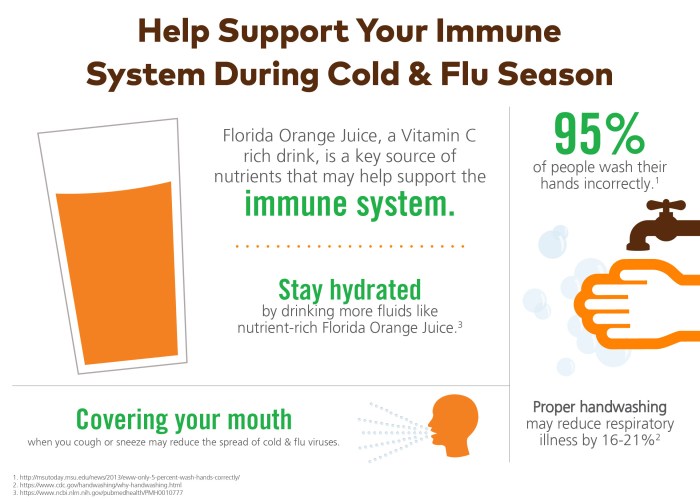
Hands are the primary carriers of germs, making handwashing one of the most effective ways to prevent the spread of colds and flu. Frequent and thorough handwashing with soap and water for at least 20 seconds, especially after being in public places or touching surfaces, is essential.
- Wash your hands before eating, preparing food, and after using the restroom.
- Carry a hand sanitizer with at least 60% alcohol content for situations where handwashing is not readily available.
Cough and Sneeze Etiquette
Covering your mouth and nose when you cough or sneeze prevents the spread of respiratory droplets that contain viruses. The preferred method is using a tissue, which should be discarded immediately after use.
- If a tissue is not available, cough or sneeze into the crook of your elbow, not your hands.
- Avoid touching your eyes, nose, and mouth after coughing or sneezing, as this can transfer germs.
Social Distancing
Maintaining physical distance from sick individuals is crucial in preventing the spread of respiratory infections. This is especially important during peak cold and flu season.
- Try to avoid close contact with people who are coughing or sneezing.
- If you are sick, stay home to prevent spreading the illness to others.
Vaccination
Getting vaccinated against the flu is one of the most effective ways to protect yourself and others from the virus. The flu vaccine reduces your risk of getting sick, and even if you do get sick, it can lessen the severity of your illness.
- The flu vaccine is recommended for everyone over six months old, especially for individuals with underlying health conditions, pregnant women, and young children.
- Other respiratory vaccines, such as the pneumococcal vaccine, can also help protect against certain infections.
Regular Checkups
Regular medical checkups with your doctor are crucial for maintaining overall health and early detection of potential health issues. These checkups allow your doctor to monitor your health, identify any risk factors, and provide personalized advice for maintaining a strong immune system.
- Discuss any concerns you have about your health with your doctor, including any family history of respiratory illnesses.
- Get regular checkups, even if you are feeling healthy, to ensure early detection of any health issues.
Balanced Diet
A balanced diet is crucial for maintaining a strong immune system, especially during cold and flu season. By consuming a variety of nutrient-rich foods, you provide your body with the building blocks it needs to fight off infections.
Importance of Food Groups for Immune Function
Each food group plays a vital role in supporting immune function:
- Fruits and Vegetables:Rich in vitamins, minerals, and antioxidants, they strengthen the immune system by boosting the production of white blood cells, which fight infections. Examples include citrus fruits, berries, leafy greens, and bell peppers.
- Whole Grains:Provide fiber, which helps regulate digestion and promotes a healthy gut microbiome. A healthy gut is essential for immune function, as a significant portion of the immune system resides in the gut. Examples include brown rice, quinoa, and oats.
- Lean Protein:Provides amino acids, which are the building blocks of antibodies. Antibodies are proteins that help fight off infections. Examples include chicken, fish, beans, and lentils.
- Healthy Fats:Provide essential fatty acids, which are crucial for cell membrane function and immune cell communication. Examples include olive oil, avocado, and nuts.
Examples of Immune-Boosting Foods
Here are some specific examples of foods rich in immune-boosting nutrients:
| Food | Nutrient | Benefits for Immune Function |
|---|---|---|
| Citrus fruits (oranges, grapefruits, lemons) | Vitamin C | Supports white blood cell production and antioxidant activity. |
| Berries (strawberries, blueberries, raspberries) | Vitamin C, antioxidants | Boost immune cell function and protect against oxidative stress. |
| Leafy greens (spinach, kale, collard greens) | Vitamin A, Vitamin C, folate | Support immune cell development and function. |
| Garlic | Allicin | Has antiviral and antibacterial properties. |
| Ginger | Gingerol | Has anti-inflammatory and antiviral properties. |
| Yogurt | Probiotics | Promote a healthy gut microbiome, which is essential for immune function. |
| Nuts and seeds | Vitamin E, zinc, selenium | Support immune cell function and antioxidant activity. |
Regular Exercise
Regular exercise is an essential component of a healthy lifestyle, and it plays a vital role in boosting immunity during cold and flu season. When you exercise, your body releases endorphins, which have mood-boosting effects and can help reduce stress levels.
Stress is known to weaken the immune system, making you more susceptible to illness. Additionally, exercise strengthens your immune system by increasing the circulation of white blood cells, which are responsible for fighting off infections.
Designing a Weekly Exercise Routine
A well-rounded exercise routine should include a mix of cardio, strength training, and flexibility exercises. This approach ensures you work all major muscle groups and improve your overall fitness. Here is an example of a weekly exercise routine:
- Monday:Cardio (30 minutes) – Running, swimming, or cycling
- Tuesday:Strength Training (30 minutes) – Bodyweight exercises, weightlifting, or resistance bands
- Wednesday:Rest or light activity (yoga or walking)
- Thursday:Cardio (30 minutes) – Choose a different activity from Monday
- Friday:Strength Training (30 minutes) – Focus on different muscle groups than Tuesday
- Saturday:Flexibility exercises (30 minutes) – Yoga, stretching, or Pilates
- Sunday:Rest or active recovery (walking or light gardening)
Staying Motivated and Consistent
Staying motivated and consistent with exercise can be challenging, especially during cold and flu season. Here are some tips to help you stay on track:
- Set realistic goals:Don’t try to do too much too soon. Start with small, achievable goals and gradually increase the intensity and duration of your workouts.
- Find an exercise buddy:Having a workout partner can help you stay accountable and motivated. You can also encourage each other and make exercise more enjoyable.
- Mix up your workouts:Doing the same workout routine every day can get boring. Try different activities to keep things interesting and challenge your body in new ways.
- Reward yourself:When you reach a goal, reward yourself with something you enjoy. This will help you stay motivated and make exercise more rewarding.
- Don’t be afraid to take breaks:If you’re feeling sick or tired, it’s okay to take a break from exercise. Resting will help your body recover and prevent further illness.
Exercise and Stress Management
Exercise is a powerful stress reliever. When you exercise, your body releases endorphins, which have mood-boosting effects and can help reduce stress levels. Chronic stress can weaken the immune system, making you more susceptible to illness. Therefore, managing stress through regular exercise is crucial for boosting your immunity during cold and flu season.
Mental Health
Your mental health plays a crucial role in your overall well-being, including your immune system’s strength. Stress, a common aspect of modern life, can significantly impact your body’s ability to fight off infections.
The Connection Between Stress and Immune Function
Stress triggers the release of hormones like cortisol, which, while helpful in short bursts, can suppress the immune system when chronically elevated. This makes your body more susceptible to colds, flu, and other illnesses.
Strategies for Managing Stress and Promoting Mental Well-being
Managing stress is essential for boosting your immunity. Here are some effective strategies:
- Relaxation Techniques:Deep breathing exercises, meditation, and progressive muscle relaxation can help calm your mind and body, reducing stress hormone levels.
- Mindfulness Practices:Engaging in mindfulness exercises, such as focusing on the present moment and observing your thoughts and feelings without judgment, can promote emotional regulation and reduce stress.
- Physical Activity:Regular exercise is a powerful stress reliever and can boost your immune system. Aim for at least 30 minutes of moderate-intensity exercise most days of the week.
- Adequate Sleep:Getting enough sleep is crucial for both physical and mental health. Aim for 7-8 hours of quality sleep each night.
- Social Connection:Maintaining strong social connections can provide support and reduce stress. Spend time with loved ones, join social groups, or volunteer in your community.
- Professional Help:If you’re struggling to manage stress on your own, don’t hesitate to seek professional help from a therapist or counselor. They can provide guidance and support in developing healthy coping mechanisms.
The Role of a Positive Mindset
A positive mindset can significantly impact your immune system. When you’re optimistic and hopeful, your body releases chemicals that promote healing and strengthen your immune response. Cultivating gratitude, practicing self-compassion, and focusing on positive aspects of your life can contribute to a more resilient immune system.
Holistic Wellness
Beyond traditional medical approaches, incorporating holistic wellness practices can contribute to a robust immune system. This approach emphasizes a balanced lifestyle that encompasses physical, mental, and emotional well-being.
Acupuncture
Acupuncture, a traditional Chinese medicine practice, involves inserting thin needles into specific points on the body. It’s believed to stimulate the body’s natural healing abilities and improve immune function. While research on acupuncture’s impact on immunity is ongoing, some studies suggest it may help reduce inflammation and enhance the body’s ability to fight infections.
Herbal Remedies
Herbal remedies have been used for centuries to support immune health. Some herbs, such as echinacea, elderberry, and garlic, have been studied for their potential to reduce the duration and severity of colds and flu. It’s important to note that herbal remedies should be used with caution, as they can interact with certain medications.
Always consult with a healthcare professional before using any herbal supplements.
Yoga
Yoga is a practice that combines physical postures, breathing techniques, and meditation. It’s known to reduce stress, improve sleep quality, and enhance overall well-being. These benefits can contribute to a stronger immune system by reducing stress hormones that suppress immune function.
Chronic Diseases
Chronic diseases, such as diabetes, heart disease, and autoimmune disorders, can weaken the immune system, making individuals more susceptible to infections like colds and the flu. This is because these conditions often compromise the body’s natural defenses, leaving it vulnerable to pathogens.
Managing Chronic Conditions
It is crucial to effectively manage chronic conditions through medication, lifestyle modifications, and regular medical checkups. This proactive approach can help strengthen the immune system and reduce the risk of complications from infections.
Medication
Medication plays a vital role in managing chronic diseases. Adhering to prescribed medication regimens ensures that the condition is effectively controlled, minimizing its impact on the immune system.
Lifestyle Modifications
Lifestyle changes are essential for managing chronic diseases and boosting immunity. These modifications can include:
- Maintaining a healthy weight: Obesity can contribute to inflammation and weaken the immune system.
- Eating a balanced diet: Consuming a diet rich in fruits, vegetables, and whole grains provides essential nutrients that support immune function.
- Regular exercise: Physical activity improves circulation and strengthens the immune system.
- Managing stress: Chronic stress can suppress the immune system. Techniques like yoga, meditation, and deep breathing can help reduce stress levels.
- Getting enough sleep: Adequate sleep is crucial for immune system function. Aim for 7-8 hours of quality sleep each night.
Regular Medical Checkups
Regular medical checkups are essential for monitoring chronic conditions and ensuring that they are effectively managed. Early detection and treatment of any complications can help prevent further damage to the immune system.
Tips for Maintaining Immune Health
Individuals with chronic diseases can take specific steps to maintain their immune health during cold and flu season:
- Practice good hygiene: Wash hands frequently with soap and water, especially after being in public places or touching surfaces.
- Avoid close contact with sick individuals: Stay away from people who are coughing or sneezing, as they may be contagious.
- Get vaccinated: Flu shots and other vaccinations can help protect against infections.
- Stay hydrated: Drinking plenty of fluids helps flush out toxins and keeps the body functioning optimally.
- Consider taking supplements: Talk to your doctor about the potential benefits of certain supplements, such as vitamin D, zinc, and probiotics, which may support immune function.
Immunity Boosters
Boosting your immune system can help you fight off colds and flu, but it’s important to understand that there’s no magic bullet. A healthy lifestyle is key. However, certain vitamins, minerals, and supplements can play a role in supporting your immune function.
Vitamins and Minerals, How to boost immunity during cold and flu season
These essential nutrients play a vital role in immune system function.
- Vitamin C: An antioxidant that helps protect cells from damage and supports the production of white blood cells, which fight infection. Found in citrus fruits, berries, and leafy green vegetables.
- Vitamin D: Helps regulate immune responses and may reduce the risk of respiratory infections. Found in fatty fish, eggs, and fortified foods. Sunlight exposure also produces vitamin D.
- Zinc: Essential for immune cell development and function. Found in oysters, red meat, beans, and nuts.
- Selenium: An antioxidant that supports immune function and may reduce inflammation. Found in Brazil nuts, tuna, and eggs.
Supplements
While a balanced diet should provide most of the nutrients your body needs, some supplements may be beneficial for boosting immunity.
- Elderberry: May help reduce the duration of colds and flu symptoms. Research suggests it can shorten the duration of illness by 1-2 days.
- Echinacea: A plant extract that may help boost immune function and reduce the severity of colds. Studies have shown mixed results, with some showing a slight benefit and others showing no effect.
- Probiotics: Live bacteria that are beneficial for gut health. A healthy gut microbiome is crucial for immune function.
Important Considerations
It’s crucial to remember that supplements are not a replacement for a healthy lifestyle. They should be used in addition to a balanced diet, regular exercise, and adequate sleep.
Always consult with a healthcare professional before taking any supplements, especially if you have underlying health conditions or are taking medications.
Last Word
By embracing a holistic approach to health, incorporating regular exercise, a balanced diet, and stress management techniques, you can significantly bolster your immune system and increase your resilience against colds and flu. Remember, maintaining a healthy lifestyle is not just about avoiding illness; it’s about thriving and enjoying life to the fullest.
So, take charge of your health, empower your immune system, and face the cold and flu season with confidence.
Question Bank
What are some natural remedies for a sore throat?
Gargling with warm salt water, sucking on lozenges, and drinking plenty of fluids can help soothe a sore throat. Honey is also a natural remedy that can provide relief.
How can I prevent getting sick during cold and flu season?
Washing your hands frequently, covering your coughs and sneezes, and avoiding close contact with sick individuals are essential for preventing the spread of germs. Getting vaccinated against the flu is also highly recommended.
What are some good sources of vitamin C?
Citrus fruits, such as oranges, grapefruits, and lemons, are excellent sources of vitamin C. Other good sources include bell peppers, broccoli, and strawberries.
Is it safe to take zinc supplements during cold and flu season?
Zinc supplements may help shorten the duration of a cold, but it’s important to consult with a healthcare professional before taking any supplements.