Balanced diet tips for vegetarians and vegans sets the stage for this enthralling narrative, offering readers a glimpse into a story that is rich in detail and brimming with originality from the outset. This guide explores the essential aspects of crafting a nutritious and fulfilling plant-based diet, addressing the unique needs of vegetarians and vegans.
We’ll delve into the key differences between these dietary choices, highlighting the abundant health benefits they offer. From understanding essential nutrients to building balanced meal plans and navigating social settings, this comprehensive resource provides practical insights and empowering strategies for embracing a vibrant and healthy vegetarian or vegan lifestyle.
Whether you’re a seasoned vegetarian or vegan or just curious about exploring these dietary paths, this guide will equip you with the knowledge and tools to thrive. We’ll uncover the secrets to obtaining vital nutrients from plant-based sources, emphasizing the importance of variety and mindful eating habits.
You’ll learn how to design delicious and satisfying meals that nourish your body and soul, ensuring optimal health and well-being.
Understanding Vegetarian and Vegan Diets
Vegetarian and vegan diets have gained popularity in recent years due to their health benefits and ethical considerations. Both diets involve abstaining from consuming animal products, but they differ in their specific restrictions. Understanding these differences and the various types of vegetarian diets can help you make informed choices about your dietary lifestyle.
Vegetarian Diets: A Spectrum of Options
Vegetarian diets encompass a wide range of choices, each with its own set of restrictions. Here are some common types of vegetarian diets:
- Lacto-ovo vegetarian:This is the most common type of vegetarian diet. Lacto-ovo vegetarians consume plant-based foods, dairy products (milk, cheese, yogurt), and eggs. They exclude all meat, poultry, and seafood.
- Lacto vegetarian:Lacto vegetarians include dairy products in their diet but exclude eggs and all animal flesh. They consume plant-based foods, milk, cheese, and yogurt.
- Ovo vegetarian:Ovo vegetarians consume plant-based foods and eggs but exclude dairy products and all animal flesh. They enjoy eggs, tofu, and plant-based milk alternatives.
- Pescatarian:Pescatarians primarily follow a vegetarian diet but include fish and seafood in their meals. They exclude all other animal products, including meat, poultry, and dairy.
Vegan Diets: A Stricter Approach
Vegan diets are the most restrictive, eliminating all animal products, including meat, poultry, fish, eggs, dairy, and honey. Vegans rely solely on plant-based foods for their nutritional needs. They often consume a wide variety of fruits, vegetables, legumes, grains, nuts, and seeds.
Health Benefits of Vegetarian and Vegan Diets
Vegetarian and vegan diets are often associated with numerous health benefits, including:
- Lower risk of chronic diseases:Studies have shown that vegetarians and vegans have a lower risk of developing chronic diseases such as heart disease, stroke, type 2 diabetes, and some types of cancer.
- Improved cholesterol levels:Vegetarian and vegan diets are typically low in saturated fat and cholesterol, which can help lower LDL (“bad”) cholesterol levels and improve overall heart health.
- Weight management:Plant-based foods are generally lower in calories and higher in fiber, which can promote satiety and help with weight management.
- Increased intake of vitamins and minerals:Vegetarian and vegan diets are rich in fruits, vegetables, and whole grains, which are excellent sources of vitamins, minerals, and antioxidants.
Essential Nutrients for Vegetarians and Vegans
While vegetarian and vegan diets offer numerous health benefits, they can sometimes fall short in certain essential nutrients. It’s crucial to understand these potential deficiencies and ensure adequate intake through diverse plant-based sources.
Protein
Protein is vital for building and repairing tissues, producing enzymes and hormones, and maintaining a healthy immune system. While animal products are often associated with high protein content, plant-based sources can provide ample protein for vegetarians and vegans.
- Legumes: Lentils, beans, chickpeas, and peas are excellent sources of protein, fiber, and other essential nutrients. One cup of cooked lentils provides approximately 18 grams of protein.
- Soy products: Tofu, tempeh, and edamame are complete protein sources, meaning they contain all nine essential amino acids. A half-cup of cooked tofu provides about 20 grams of protein.
- Nuts and seeds: Almonds, cashews, pumpkin seeds, and sunflower seeds are good sources of protein, healthy fats, and fiber. A quarter cup of almonds provides approximately 6 grams of protein.
- Whole grains: Quinoa, brown rice, and oats are good sources of protein, fiber, and other nutrients. One cup of cooked quinoa provides about 8 grams of protein.
Iron
Iron is essential for carrying oxygen throughout the body, and deficiency can lead to fatigue, weakness, and shortness of breath. Plant-based sources of iron are often less bioavailable than animal sources, meaning the body absorbs less of it.
- Iron-rich foods: Lentils, spinach, tofu, beans, and fortified cereals are good sources of iron.
- Vitamin C: Consuming foods rich in vitamin C, such as citrus fruits, strawberries, and broccoli, alongside iron-rich foods can enhance iron absorption.
Calcium
Calcium is crucial for strong bones, teeth, and muscle function. While dairy products are a common source of calcium, vegetarians and vegans can obtain adequate calcium from other sources.
- Calcium-rich foods: Leafy green vegetables like kale, collard greens, and bok choy are excellent sources of calcium. One cup of cooked kale provides about 150 mg of calcium.
- Fortified foods: Many plant-based milk alternatives, such as almond milk, soy milk, and rice milk, are fortified with calcium.
- Calcium-rich tofu: Tofu made with calcium sulfate is a good source of calcium.
Vitamin B12
Vitamin B12 is essential for cell growth, red blood cell formation, and nerve function. It is primarily found in animal products, making it a crucial nutrient for vegetarians and vegans to focus on.
- Vitamin B12-fortified foods: Many plant-based milk alternatives, breakfast cereals, and nutritional yeast are fortified with vitamin B12.
- Supplementation: For vegans, supplementation with vitamin B12 is often recommended to ensure adequate intake.
Omega-3 Fatty Acids
Omega-3 fatty acids are essential for heart health, brain function, and reducing inflammation. While they are primarily found in fatty fish, plant-based sources can provide some omega-3s.
- Omega-3-rich foods: Flaxseeds, chia seeds, walnuts, and soybeans are good sources of ALA, an omega-3 fatty acid that the body can convert to EPA and DHA.
- Algae-based supplements: Algae oil supplements are a good source of EPA and DHA, which are the forms of omega-3s found in fish.
Building a Balanced Vegetarian or Vegan Meal Plan
Creating a balanced meal plan is essential for ensuring you’re getting all the nutrients you need on a vegetarian or vegan diet. It’s about incorporating a variety of foods from different food groups to meet your daily requirements. This includes consuming enough protein, iron, calcium, vitamin B12, and omega-3 fatty acids.
Sample Vegetarian or Vegan Meal Plan for a Day
A balanced meal plan should include a variety of foods from all food groups. Here is a sample meal plan for a day, highlighting key nutrients and preparation tips:
| Meal Time | Food Items | Nutrient Content | Preparation Tips |
|---|---|---|---|
| Breakfast | Oatmeal with berries and nuts, soy milk |
|
|
| Lunch | Lentil soup with whole-wheat bread, mixed green salad with chickpeas and tahini dressing |
|
|
| Dinner | Tofu stir-fry with brown rice and broccoli |
|
|
| Snacks |
|
|
|
This is just a sample meal plan, and you can customize it to fit your own preferences and dietary needs. Remember to consult with a registered dietitian or nutritionist for personalized guidance.
Incorporating a Variety of Plant-Based Foods
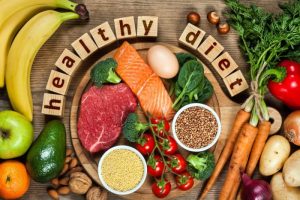
A diverse and vibrant plant-based diet is crucial for optimal nutrition. Consuming a wide range of fruits, vegetables, legumes, grains, nuts, and seeds ensures that you obtain all the essential nutrients your body needs. This approach not only satisfies your nutritional needs but also offers a delicious and satisfying culinary experience.
Variety of Plant-Based Foods
It’s important to include a variety of plant-based foods in your diet to ensure you’re getting all the nutrients you need. Here are some examples of different types of plant-based foods and their nutritional benefits:
Fruits
Fruits are a great source of vitamins, minerals, and fiber. They can be enjoyed fresh, frozen, dried, or canned. Some examples of fruits that can be included in a vegetarian or vegan diet include:
- Berries (strawberries, blueberries, raspberries)
- Citrus fruits (oranges, grapefruits, lemons)
- Apples
- Bananas
- Avocados
Vegetables
Vegetables are packed with vitamins, minerals, antioxidants, and fiber. They can be eaten raw, cooked, or juiced. Some examples of vegetables that can be included in a vegetarian or vegan diet include:
- Leafy greens (spinach, kale, lettuce)
- Cruciferous vegetables (broccoli, cauliflower, Brussels sprouts)
- Root vegetables (carrots, potatoes, sweet potatoes)
- Bell peppers
- Onions
Legumes
Legumes are a great source of protein, fiber, and iron. They can be cooked in a variety of ways, including soups, stews, and salads. Some examples of legumes that can be included in a vegetarian or vegan diet include:
- Beans (kidney beans, black beans, pinto beans)
- Lentils
- Peas
Grains
Grains are a good source of carbohydrates, fiber, and some vitamins and minerals. They can be eaten whole or refined. Some examples of grains that can be included in a vegetarian or vegan diet include:
- Whole grains (brown rice, quinoa, oats)
- Refined grains (white rice, white bread)
Nuts and Seeds
Nuts and seeds are a good source of protein, healthy fats, fiber, and vitamins and minerals. They can be eaten raw, roasted, or ground into nut butters. Some examples of nuts and seeds that can be included in a vegetarian or vegan diet include:
- Almonds
- Walnuts
- Cashews
- Sunflower seeds
- Chia seeds
Nutritional Benefits of Plant-Based Foods
| Food Group | Nutritional Benefits ||—|—|| Fruits | Vitamins, minerals, fiber, antioxidants || Vegetables | Vitamins, minerals, antioxidants, fiber || Legumes | Protein, fiber, iron || Grains | Carbohydrates, fiber, vitamins, minerals || Nuts and Seeds | Protein, healthy fats, fiber, vitamins, minerals |
By incorporating a wide variety of plant-based foods into your diet, you can ensure that you’re getting all the nutrients you need to stay healthy and energized.
Healthy Eating Habits for Vegetarians and Vegans
A balanced diet is essential for everyone, but it’s especially important for vegetarians and vegans who need to ensure they’re getting all the nutrients they need from plant-based sources. Along with a well-planned diet, incorporating healthy eating habits can help vegetarians and vegans thrive.
Regular Meal Frequency and Portion Control
Regular meal frequency and portion control play a vital role in maintaining a healthy weight and preventing nutrient deficiencies. Vegetarians and vegans may need to consume more food to meet their nutritional needs, but this doesn’t mean overeating.
- Aim for 3-5 meals per day, including snacks, to keep blood sugar levels stable and prevent overeating at mealtimes.
- Pay attention to portion sizes, ensuring you’re consuming adequate amounts of food without exceeding your calorie needs.
- Use smaller plates and bowls to help control portion sizes visually.
Avoiding Nutrient Deficiencies
Vegetarians and vegans need to be mindful of certain nutrients that are often found in animal products. By planning meals and snacks strategically, they can avoid deficiencies.
- Iron:Include iron-rich foods like lentils, spinach, tofu, and fortified cereals. Consume iron-rich foods with vitamin C-rich foods like citrus fruits, bell peppers, and broccoli to enhance iron absorption.
- Vitamin B12:Vitamin B12 is primarily found in animal products. Vegans should supplement with vitamin B12 or consume fortified foods like plant-based milks, nutritional yeast, and cereals.
- Calcium:Good sources of calcium for vegetarians and vegans include leafy green vegetables, fortified plant-based milks, tofu, and calcium-set tofu.
- Omega-3 Fatty Acids:Include foods like flaxseeds, chia seeds, walnuts, and algae oil in your diet to obtain omega-3 fatty acids.
Managing Hunger and Cravings
Managing hunger and cravings is crucial for maintaining a balanced diet. Vegetarians and vegans can use several strategies to stay on track.
- Hydrate:Drink plenty of water throughout the day, as dehydration can often be mistaken for hunger.
- Choose nutrient-dense snacks:Opt for snacks that are high in fiber, protein, and healthy fats, such as fruits, vegetables, nuts, and seeds. These snacks will keep you feeling fuller for longer.
- Plan ahead:Prepare healthy snacks and meals in advance to avoid impulsive choices when hunger strikes.
Supplementing Vegetarian and Vegan Diets
While a well-planned vegetarian or vegan diet can provide all the essential nutrients, some individuals may benefit from taking supplements to address specific nutrient deficiencies. This is especially important for individuals who are pregnant, breastfeeding, or have certain health conditions.
Vitamin B12
Vitamin B12 is a crucial nutrient for nerve function, red blood cell production, and DNA synthesis. It is primarily found in animal products, so vegetarians and vegans may be at risk of deficiency.
- Symptoms of B12 deficiencyinclude fatigue, weakness, pale skin, and neurological problems.
- Supplementationis generally recommended for all vegans and some vegetarians, particularly those who consume little or no dairy products.
- Recommended dosage: 2.4 mcg per day for adults.
- Sources: Vitamin B12 supplements are available in various forms, including tablets, capsules, and sprays.
Iron
Iron is an essential mineral for oxygen transport in the blood. Plant-based iron sources, such as spinach and lentils, are less readily absorbed than animal-based iron.
- Symptoms of iron deficiencyinclude fatigue, shortness of breath, and pale skin.
- Supplementationmay be necessary for vegetarians and vegans, especially those with heavy menstrual bleeding or other iron-depleting conditions.
- Recommended dosage: 18 mg per day for adult men and 8 mg per day for adult women.
- Sources: Iron supplements are available in various forms, including ferrous sulfate, ferrous gluconate, and iron bisglycinate.
- Absorption Enhancement: Consuming iron-rich foods with vitamin C-rich foods, such as oranges and strawberries, can enhance iron absorption.
Calcium
Calcium is essential for strong bones and teeth, muscle function, and nerve transmission. While many plant-based foods contain calcium, some vegetarians and vegans may need supplementation to meet their daily requirements.
- Symptoms of calcium deficiencyinclude weak bones, osteoporosis, and muscle cramps.
- Supplementationmay be recommended for individuals who do not consume enough calcium-rich foods.
- Recommended dosage: 1,000 mg per day for adults under 50.
- Sources: Calcium supplements are available in various forms, including calcium carbonate, calcium citrate, and calcium gluconate.
- Absorption Enhancement: Vitamin D enhances calcium absorption. Exposure to sunlight is the best way to get vitamin D, but supplements may be necessary.
Omega-3 Fatty Acids
Omega-3 fatty acids are essential for heart health, brain function, and vision. They are primarily found in fatty fish, but some plant-based sources include flaxseeds, chia seeds, and walnuts.
- Symptoms of omega-3 deficiencyinclude dry skin, brittle hair, and mood swings.
- Supplementationmay be necessary for vegetarians and vegans who do not consume enough plant-based omega-3 sources.
- Recommended dosage: 1,000 mg per day of EPA and DHA combined.
- Sources: Omega-3 supplements are available in various forms, including fish oil, algae oil, and flaxseed oil.
Choosing the Right Supplements
- Consult a healthcare professionalbefore taking any supplements, especially if you have any underlying health conditions or are taking medications.
- Choose high-quality supplementsfrom reputable brands. Look for supplements that are third-party tested for purity and potency.
- Follow the recommended dosageon the supplement label. Taking too much of a supplement can be harmful.
Physical Fitness for Vegetarians and Vegans
Regular physical activity is crucial for overall health and well-being, regardless of dietary choices. It plays a vital role in maintaining a healthy weight, reducing the risk of chronic diseases, improving cardiovascular health, boosting mood, and enhancing sleep quality. For vegetarians and vegans, physical activity can be particularly beneficial as it can help address potential nutritional concerns and promote overall well-being.
Fitness Considerations for Vegetarians and Vegans
Maintaining optimal fitness levels as a vegetarian or vegan requires a mindful approach to address potential challenges and leverage strategies for success.
Potential Challenges
- Nutrient Deficiencies:Vegetarians and vegans may face challenges in meeting their protein, iron, vitamin B12, and omega-3 fatty acid requirements. These nutrients are crucial for energy production, muscle growth, and overall health.
- Limited Food Choices:Some vegetarians and vegans may experience limitations in their food choices, particularly when dining out or traveling. This can make it challenging to find balanced and satisfying meals.
- Social Pressure:Social gatherings and events may involve food choices that are not vegetarian or vegan-friendly, leading to potential pressure to consume non-plant-based foods.
Strategies for Success
- Prioritize Protein Intake:Ensure adequate protein intake by including a variety of plant-based protein sources such as legumes, tofu, tempeh, seitan, quinoa, and nuts and seeds in your diet.
- Iron Absorption:Enhance iron absorption by consuming iron-rich foods with vitamin C-rich foods, such as oranges, strawberries, and peppers. Avoid consuming iron-rich foods with tea or coffee, as these beverages can hinder iron absorption.
- Vitamin B12 Supplementation:Consider taking a vitamin B12 supplement, as it is not readily available in plant-based foods.
- Omega-3 Fatty Acids:Include omega-3-rich foods like flaxseeds, chia seeds, walnuts, and algae oil in your diet.
- Meal Planning:Plan your meals and snacks in advance to ensure you have access to healthy and satisfying vegetarian or vegan options.
- Social Support:Seek out social groups or communities that support vegetarian and vegan lifestyles, providing encouragement and resources.
Suitable Exercise Routines and Activities, Balanced diet tips for vegetarians and vegans
Engaging in a variety of physical activities can help maintain a healthy weight, improve cardiovascular health, and enhance overall well-being.
Examples of Suitable Exercise Routines
- Cardiovascular Exercise:Aim for at least 150 minutes of moderate-intensity aerobic activity or 75 minutes of vigorous-intensity aerobic activity per week. Examples include brisk walking, jogging, cycling, swimming, and dancing.
- Strength Training:Include strength training exercises at least twice a week, focusing on major muscle groups. Examples include weightlifting, bodyweight exercises, and resistance band training.
- Flexibility and Balance:Incorporate flexibility and balance exercises, such as yoga, Pilates, and tai chi, to improve range of motion, posture, and coordination.
Exercise Considerations for Different Fitness Levels
- Beginners:Start with short sessions of low-intensity activities, gradually increasing duration and intensity as fitness improves.
- Intermediate Level:Engage in moderate-intensity activities for longer durations, incorporating strength training exercises for muscle building and overall fitness.
- Advanced Level:Participate in high-intensity interval training (HIIT), challenging workouts, and endurance activities like marathons or triathlons.
Healthy Eating for a Holistic Lifestyle
A balanced diet is not just about providing the body with essential nutrients; it plays a crucial role in achieving overall well-being. It’s a fundamental pillar of a holistic lifestyle, encompassing physical, mental, and emotional health.
The Connection Between Diet and Holistic Wellness
A holistic lifestyle emphasizes the interconnectedness of different aspects of health. A balanced diet is directly linked to holistic wellness by influencing various bodily functions, impacting our mood, energy levels, and overall well-being.
Role of a Balanced Diet in Promoting Health
Physical Health
A balanced diet provides the body with essential nutrients like vitamins, minerals, and antioxidants, which are vital for various bodily functions, including:
- Maintaining a healthy weight
- Strengthening the immune system
- Boosting energy levels
- Preventing chronic diseases like heart disease, diabetes, and certain types of cancer
Mental Health
Certain nutrients found in a balanced diet, such as omega-3 fatty acids and B vitamins, are known to play a role in brain health and cognitive function.
- These nutrients can help improve mood, reduce stress, and enhance memory and concentration.
- A balanced diet can also help regulate blood sugar levels, which can impact mood and energy levels.
Emotional Health
Food choices can significantly impact our emotional well-being.
- A balanced diet can help stabilize mood swings, reduce anxiety, and promote feelings of calmness and well-being.
- Eating a variety of nutrient-rich foods can help improve self-esteem and body image.
Vegetarian and Vegan Diets for Holistic Lifestyle
Vegetarian and vegan diets can be incredibly beneficial for promoting a holistic lifestyle. They are naturally rich in fruits, vegetables, whole grains, legumes, and nuts, which provide essential nutrients for physical, mental, and emotional health.
- These diets are typically lower in saturated fat and cholesterol, reducing the risk of heart disease and other chronic conditions.
- They are also high in fiber, which aids digestion and promotes feelings of fullness, contributing to weight management.
- The abundance of antioxidants in plant-based foods helps protect cells from damage, promoting healthy aging.
Examples of How Vegetarian and Vegan Diets Support Holistic Lifestyle
- A vegetarian or vegan diet rich in fruits, vegetables, and whole grains can provide the body with the essential nutrients needed for optimal physical health, reducing the risk of chronic diseases.
- The abundance of omega-3 fatty acids found in foods like flaxseeds, chia seeds, and walnuts can support brain health and cognitive function, promoting mental well-being.
- The focus on plant-based foods in vegetarian and vegan diets can help reduce stress levels, improve mood, and enhance emotional well-being.
Vegetarian and Vegan Diets for Specific Health Concerns: Balanced Diet Tips For Vegetarians And Vegans
Vegetarian and vegan diets are often associated with health benefits, but it’s crucial to understand how they can be tailored to address specific health concerns. Modifying these diets for conditions like diabetes, heart disease, or allergies can optimize their impact on overall well-being.
Diabetes
Diabetes is a chronic condition that affects how your body regulates blood sugar. A well-planned vegetarian or vegan diet can help manage blood sugar levels and improve diabetes control.
Benefits of Vegetarian and Vegan Diets for Diabetes
- High Fiber Content:Plant-based foods are rich in fiber, which slows down the absorption of sugar into the bloodstream, promoting stable blood sugar levels.
- Lower Glycemic Index:Many vegetarian and vegan foods have a lower glycemic index (GI), meaning they don’t cause rapid spikes in blood sugar.
- Rich in Nutrients:These diets are often packed with essential nutrients like vitamins, minerals, and antioxidants, which can support overall health and diabetes management.
Considerations for Vegetarians and Vegans with Diabetes
- Carb Counting:It’s essential to be mindful of carbohydrate intake, especially for people with diabetes. Choose whole grains, legumes, and non-starchy vegetables over refined grains and sugary foods.
- Blood Sugar Monitoring:Regular blood sugar monitoring is crucial to ensure that dietary changes are effectively managing blood sugar levels.
- Nutrient Supplementation:In some cases, supplementing with vitamin B12 and iron may be necessary to ensure adequate intake.
Example Meal Plan for Diabetes
Breakfast:Oatmeal with berries and nuts Lunch:Lentil soup with whole-wheat bread Dinner:Tofu stir-fry with brown rice and vegetables Snacks:Apple slices with peanut butter, almonds
Heart Disease
Heart disease is a leading cause of death worldwide. Vegetarian and vegan diets can play a significant role in reducing risk factors associated with this condition.
Benefits of Vegetarian and Vegan Diets for Heart Disease
- Lower Saturated Fat:These diets typically contain less saturated fat, which can lower LDL (“bad”) cholesterol levels.
- Higher Fiber Content:Fiber helps lower cholesterol and improve blood pressure.
- Rich in Antioxidants:Plant-based foods are rich in antioxidants, which protect against oxidative stress and inflammation, contributing to heart health.
Considerations for Vegetarians and Vegans with Heart Disease
- Sodium Intake:It’s crucial to limit sodium intake, as high sodium can increase blood pressure. Choose fresh, unprocessed foods and avoid processed meats and salty snacks.
- Omega-3 Fatty Acids:Include sources of omega-3 fatty acids, such as flaxseeds, chia seeds, or walnuts, in your diet to support heart health.
- Dietary Fat:While avoiding saturated fat is important, ensure you’re consuming healthy fats, such as those found in avocados, olive oil, and nuts.
Example Meal Plan for Heart Disease
Breakfast:Whole-grain toast with avocado and a poached egg Lunch:Salad with grilled chicken or tofu, quinoa, and a vinaigrette dressing Dinner:Salmon with roasted vegetables and brown rice Snacks:Trail mix with almonds, walnuts, and dried fruit
Allergies
Food allergies can significantly impact dietary choices. Vegetarian and vegan diets can be adapted to accommodate various allergies, ensuring a balanced and enjoyable eating experience.
Benefits of Vegetarian and Vegan Diets for Allergies
- Variety of Options:Plant-based foods offer a wide range of options to replace common allergens, such as dairy, eggs, nuts, and soy.
- Increased Awareness:Vegetarian and vegan diets often encourage a heightened awareness of ingredients and food preparation, which can be beneficial for managing allergies.
Considerations for Vegetarians and Vegans with Allergies
- Label Reading:Carefully read food labels to identify potential allergens, even in seemingly “safe” plant-based foods.
- Cross-Contamination:Be mindful of cross-contamination during food preparation, especially when cooking with common allergens.
- Alternative Sources of Nutrients:Explore alternative sources of nutrients that may be missing due to dietary restrictions. For example, if you’re allergic to dairy, you can get calcium from leafy greens and fortified plant-based milk.
Example Meal Plan for Allergies (Dairy and Egg Allergy)
Breakfast:Oatmeal with almond milk, berries, and nuts Lunch:Quinoa salad with chickpeas, vegetables, and a lemon vinaigrette Dinner:Lentil soup with whole-wheat bread Snacks:Rice cakes with almond butter, fresh fruit
Navigating Vegetarian and Vegan Diets in Social Settings
Embracing a vegetarian or vegan lifestyle can sometimes present challenges in social situations, especially when food choices are limited. However, with a few strategies, you can navigate these situations gracefully and ensure you have access to suitable meals.
Communicating Dietary Preferences
Clearly communicating your dietary preferences is crucial. This ensures that hosts and restaurants are aware of your needs and can provide appropriate options.
- Be direct and polite when explaining your dietary restrictions. For example, you could say, “I’m a vegetarian/vegan, so I don’t eat meat/animal products.”
- Specify any allergies or intolerances you may have, such as nut allergies or gluten intolerance.
- If possible, offer alternative suggestions for dishes you can enjoy.
Ensuring Access to Suitable Meals
- Ask about vegetarian or vegan options when dining out. Many restaurants now offer a variety of plant-based dishes.
- Check restaurant menus online before making reservations to see if they have vegetarian or vegan options.
- Bring your own food if necessary, especially if you are attending a potluck or social gathering where food choices may be limited.
- Consider bringing a dish to share that meets your dietary needs and can be enjoyed by others.
Respecting Individual Choices
It’s important to remember that everyone has their own dietary preferences and choices. Respecting individual choices is crucial, whether it’s about dietary restrictions or simply personal preferences.
- Avoid pressuring others to adopt your dietary choices.
- Be understanding if someone is not familiar with vegetarian or vegan options.
- Offer to help others find suitable meals if they are unsure about what to order.
Final Review
Embarking on a vegetarian or vegan journey is a commitment to a healthier, more sustainable, and compassionate way of life. By embracing the principles Artikeld in this guide, you can create a fulfilling and balanced diet that supports your overall well-being.
Remember, a healthy lifestyle encompasses more than just food; it’s about nurturing your mind, body, and spirit. So, take charge of your health, embrace the beauty of plant-based eating, and embark on a journey of vibrant well-being.
FAQ Summary
What are the main differences between vegetarian and vegan diets?
Vegetarians abstain from eating meat, while vegans avoid all animal products, including meat, poultry, fish, eggs, dairy, and honey.
Are vegetarian and vegan diets suitable for everyone?
While generally healthy, vegetarian and vegan diets require careful planning to ensure adequate nutrient intake. It’s advisable to consult a healthcare professional or registered dietitian for personalized guidance, especially for individuals with specific health concerns.
How can I ensure I get enough protein on a vegetarian or vegan diet?
Plant-based protein sources like legumes, tofu, tempeh, nuts, and seeds are excellent sources of protein. Incorporating a variety of these foods into your diet can easily meet your protein needs.
What are some tips for managing social situations with limited food choices?
Communicate your dietary preferences clearly and politely. Bring your own dish or ask if there are vegan or vegetarian options available. Be prepared to suggest alternatives and enjoy the company, even if the food choices are limited.