Mental Wellness
Maintaining positive mental health is crucial when transitioning to a plant-based diet. The process of changing dietary habits can be challenging and may impact your mental well-being. It’s essential to prioritize your mental wellness during this transition to ensure a successful and sustainable shift in your eating habits.
Importance of Mental Wellness
- Focus on the benefits: Remind yourself of the reasons why you decided to transition to a plant-based diet. Whether it’s for health, environmental, or ethical reasons, keeping your motivations in mind can help you stay positive.
- Practice self-care: Take time to engage in activities that help you relax and unwind. Whether it’s meditation, yoga, reading, or spending time in nature, prioritizing self-care can support your mental well-being during this transition.
- Seek support: Connect with like-minded individuals who are also transitioning to a plant-based diet. Join online communities, attend local events, or seek guidance from a healthcare professional or nutritionist to help you navigate any challenges you may encounter.
Coping with Challenges and Setbacks
- Stay flexible: Understand that transitioning to a plant-based diet is a journey, and it’s okay to have setbacks along the way. Be kind to yourself and approach any challenges with a sense of flexibility and openness.
- Learn from setbacks: Instead of getting discouraged by challenges, use them as opportunities for growth and learning. Reflect on what triggered the setback and explore ways to overcome similar obstacles in the future.
- Celebrate small victories: Acknowledge and celebrate the progress you make, no matter how small it may seem. Rewarding yourself for sticking to your plant-based goals can boost your motivation and morale throughout the transition process.
Physical Fitness
Transitioning to a plant-based diet can have a significant impact on physical fitness. By consuming a diet rich in fruits, vegetables, whole grains, nuts, and seeds, individuals can experience improved energy levels, faster post-workout recovery, and better overall performance in physical activities.
Plant-Based Foods for an Active Lifestyle
Eating plant-based foods can provide essential nutrients needed for physical fitness. Some examples of plant-based foods that can support an active lifestyle include:
- Quinoa: A complete protein source that aids in muscle repair and growth.
- Chia seeds: High in omega-3 fatty acids for reducing inflammation and improving endurance.
- Leafy greens: Packed with vitamins, minerals, and antioxidants to support overall health and recovery.
- Legumes: Excellent sources of plant-based protein for muscle building and repair.
Role of Exercise with Plant-Based Diet, How to transition to a plant-based diet
Regular exercise plays a crucial role in conjunction with a plant-based diet for overall fitness. Exercise helps to improve cardiovascular health, build strength, increase flexibility, and enhance endurance. When combined with a plant-based diet, individuals can experience better weight management, improved athletic performance, and reduced risk of chronic diseases.
Healthy Eating
How to transition to a plant-based diet – When transitioning to a plant-based diet, it is essential to focus on healthy eating habits to ensure you are getting all the necessary nutrients for optimal health.
What Constitutes a Healthy Plant-Based Diet?
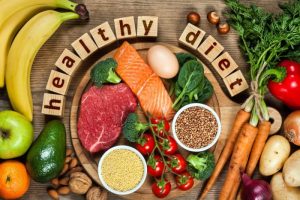
A healthy plant-based diet consists of a variety of fruits, vegetables, whole grains, legumes, nuts, and seeds. It is important to include a wide range of these foods to ensure you are getting all the essential vitamins, minerals, and nutrients your body needs.
Tips for Meal Planning and Grocery Shopping
When planning your meals, aim for a balanced plate that includes a variety of colors and textures. Make sure to include sources of protein such as beans, lentils, tofu, or tempeh. When grocery shopping, focus on fresh produce, whole grains, and plant-based protein sources to stock your kitchen with nutritious options.
The Importance of Variety and Diversity
Including a variety of plant-based foods in your diet is crucial for optimal health. Different foods provide different nutrients, so by incorporating a diverse range of fruits, vegetables, grains, and legumes, you can ensure you are meeting all your nutritional needs. Experiment with different recipes and ingredients to keep your meals interesting and nutritious.
Preventive Care
Incorporating a plant-based diet into your lifestyle can play a significant role in preventive healthcare, offering a range of benefits that can help reduce the risk of various diseases and promote overall well-being.
Benefits of a Plant-Based Diet for Preventive Care
- Plant-based foods are rich in antioxidants, vitamins, and minerals that help boost the immune system and reduce inflammation, lowering the risk of chronic diseases such as heart disease, diabetes, and certain types of cancer.
- By consuming a variety of plant-based foods, individuals can maintain a healthy weight, which is crucial for preventing obesity-related conditions like hypertension and high cholesterol.
- Plant-based diets are often high in fiber, which aids in digestion, regulates blood sugar levels, and promotes a healthy gut microbiome, reducing the risk of gastrointestinal issues and improving overall health.
Balanced Diet
Transitioning to a plant-based diet can be a great step towards a healthier lifestyle, but it’s important to ensure that your diet remains balanced to meet all your nutritional needs.
Components of a Balanced Plant-Based Diet
A balanced plant-based diet should include a variety of food groups to ensure you are getting all the necessary nutrients. Here are some key components:
- Fruits and Vegetables: These are rich in vitamins, minerals, and antioxidants essential for overall health.
- Whole Grains: Provide fiber, B vitamins, and minerals like iron and magnesium.
- Legumes: Great sources of protein, fiber, and essential nutrients like iron and zinc.
- Nuts and Seeds: Offer healthy fats, protein, and important minerals like calcium and magnesium.
- Plant-Based Proteins: Include tofu, tempeh, and seitan to ensure an adequate protein intake.
Importance of Different Food Groups
Each food group plays a crucial role in maintaining balance in a plant-based diet:
- Fruits and Vegetables: Provide essential vitamins, minerals, and antioxidants for overall health and disease prevention.
- Whole Grains: Offer fiber for digestion, B vitamins for energy, and minerals for various bodily functions.
- Legumes: Rich in protein, fiber, and nutrients like iron and zinc important for vegetarians and vegans.
- Nuts and Seeds: Supply healthy fats, protein, and minerals like calcium and magnesium for bone health and energy.
Ensuring Adequate Nutrient Intake
Transitioning to a plant-based diet requires careful planning to ensure you are meeting all your nutrient needs:
- Focus on variety: Include a wide range of plant foods to cover all essential nutrients.
- Consider supplements: Consult a healthcare provider to assess if you need supplements for nutrients like B12, iron, and omega-3 fatty acids.
- Educate yourself: Learn about plant-based sources of key nutrients to make informed food choices.
- Monitor your intake: Keep track of your nutrient intake initially to identify any deficiencies and adjust your diet accordingly.
Regular Exercise
Regular exercise plays a vital role in complementing a plant-based diet for overall well-being. The combination of these two factors can significantly enhance your health and quality of life.
Incorporating Physical Activity
- Start with small steps: Incorporate daily activities like walking, cycling, or yoga into your routine.
- Set realistic goals: Aim for at least 30 minutes of moderate-intensity exercise most days of the week.
- Explore different activities: Mix up your routine with cardio, strength training, and flexibility exercises to keep it engaging.
- Find a workout buddy: Exercising with a friend or family member can make it more enjoyable and help you stay motivated.
Benefits of Combining Exercise with a Plant-Based Diet
Regular exercise, when paired with a plant-based diet, offers numerous benefits for your overall well-being:
- Weight management: Physical activity helps burn calories and maintain a healthy weight, which complements the nutrient-rich plant-based diet.
- Improved heart health: Both exercise and a plant-based diet are linked to lower risks of heart disease, promoting a strong and healthy cardiovascular system.
- Enhanced energy levels: The combination of exercise and plant-based foods provides the necessary nutrients for sustained energy throughout the day.
- Mental wellness: Physical activity releases endorphins that can boost your mood and reduce stress, complementing the mental health benefits of a plant-based diet.
Holistic Wellness
Transitioning to a plant-based diet is not just about the food you eat; it also involves a holistic approach to wellness that encompasses physical, mental, and emotional well-being.
Complementary Holistic Approaches
- Yoga and Meditation: Practicing yoga and meditation can help reduce stress, improve mental clarity, and enhance overall well-being.
- Nature Therapy: Spending time in nature, whether it’s gardening or hiking, can have a calming effect on the mind and body.
- Aromatherapy: Using essential oils can promote relaxation, reduce anxiety, and uplift the mood.
Interconnectedness of Well-being
Physical, mental, and emotional well-being are closely interconnected. When you nourish your body with a plant-based diet, you are not only improving your physical health but also supporting your mental and emotional wellness. A balanced diet rich in fruits, vegetables, whole grains, and plant-based proteins can contribute to a sense of well-being and vitality.
Chronic Diseases
Plant-based diets have been shown to play a crucial role in preventing and managing chronic diseases due to their high nutrient content and anti-inflammatory properties. By focusing on whole plant foods such as fruits, vegetables, whole grains, nuts, and seeds, individuals can reduce their risk of developing various chronic conditions and improve their overall health.
Cardiovascular Disease
- Plant-based diets have been linked to a lower risk of heart disease by reducing cholesterol levels, blood pressure, and inflammation in the body.
- Research has shown that a plant-based approach can help improve cardiovascular health and reduce the risk of heart attacks, stroke, and other heart-related issues.
Diabetes
- Individuals with diabetes can benefit from a plant-based diet by improving insulin sensitivity, reducing blood sugar levels, and managing weight effectively.
- Studies have indicated that plant-based diets can help prevent and manage type 2 diabetes, leading to better blood sugar control and overall health outcomes.
Cancer
- Plant-based diets rich in antioxidants and phytochemicals can help reduce the risk of certain types of cancer, such as breast, prostate, and colon cancer.
- Research suggests that consuming a variety of plant foods can protect against cancer development and support overall cellular health.
Autoimmune Diseases
- Plant-based diets can help reduce inflammation and support the immune system, making them beneficial for individuals with autoimmune conditions like rheumatoid arthritis, lupus, and multiple sclerosis.
- Studies have shown that plant-based eating patterns may alleviate symptoms and improve quality of life for those with autoimmune diseases.
Immunity Boosters: How To Transition To A Plant-based Diet
Plant-based foods are known for their ability to boost immunity through the abundance of vitamins, minerals, and antioxidants they provide. These nutrients play a crucial role in strengthening the immune system and overall health.
Plant-Based Immune-Boosting Foods
- Berries: Rich in antioxidants like vitamin C, which helps fight off infections.
- Leafy greens: Packed with vitamins A and C, along with folate, which support immune function.
- Citrus fruits: Excellent sources of vitamin C, known for its immune-boosting properties.
- Ginger: Contains gingerol, a compound with antioxidant and anti-inflammatory effects.
- Turmeric: Contains curcumin, known for its anti-inflammatory and immune-boosting properties.
Incorporating Immune-Boosting Ingredients
Adding immune-boosting ingredients to your meals can be simple and delicious. Try incorporating berries into your breakfast smoothie, adding leafy greens to salads, using citrus fruits in marinades, and incorporating ginger and turmeric into stir-fries or soups.
Role of Plant-Based Diet in Immune System Health
A plant-based diet provides a wide range of nutrients that are essential for a healthy immune system. By consuming a variety of plant-based foods rich in vitamins, minerals, and antioxidants, you can help strengthen your immune system, reduce inflammation, and lower your risk of chronic diseases.
User Queries
How can I ensure I get enough protein on a plant-based diet?
Include sources like legumes, tofu, tempeh, and quinoa in your meals to meet your protein needs.
Is it expensive to follow a plant-based diet?
It can be cost-effective by focusing on seasonal fruits and vegetables, grains, and legumes rather than processed plant-based products.
Can children follow a plant-based diet safely?
Yes, with proper planning to ensure they receive essential nutrients like calcium, iron, and vitamin B12.