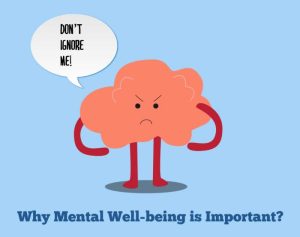
Mental Wellness
Regular high-intensity interval training (HIIT) has been shown to have numerous positive impacts on mental health. Not only does it improve physical fitness, but it also helps boost mood and overall well-being.
Reduced Stress and Anxiety
- HIIT workouts can help reduce levels of stress and anxiety by triggering the release of endorphins, also known as the “feel-good” hormones.
- Engaging in intense exercise can act as a form of catharsis, allowing individuals to release built-up tension and stress from daily life.
- Regular participation in HIIT can improve stress management skills and provide a healthy outlet for pent-up emotions.
Enhanced Cognitive Function
- HIIT has been linked to improved cognitive function and mental clarity, as it increases blood flow to the brain, delivering oxygen and nutrients essential for optimal brain health.
- Studies have shown that high-intensity exercise can enhance memory, focus, and overall cognitive performance.
- Individuals who incorporate HIIT into their routine may experience better problem-solving skills and increased creativity.
Mood Improvement
- Participating in HIIT can lead to a release of endorphins, dopamine, and serotonin, neurotransmitters that contribute to feelings of happiness and well-being.
- Regular exercise has been shown to alleviate symptoms of depression and improve overall mood regulation.
- By engaging in high-intensity workouts, individuals may experience a sense of accomplishment and empowerment, further boosting their mood.
Physical Fitness
Regular high-intensity interval training (HIIT) can significantly enhance physical fitness levels by targeting various aspects of health and wellness. One of the key benefits of HIIT is its ability to improve cardiovascular health, aid in weight loss, and promote muscle toning.
Cardiovascular Health
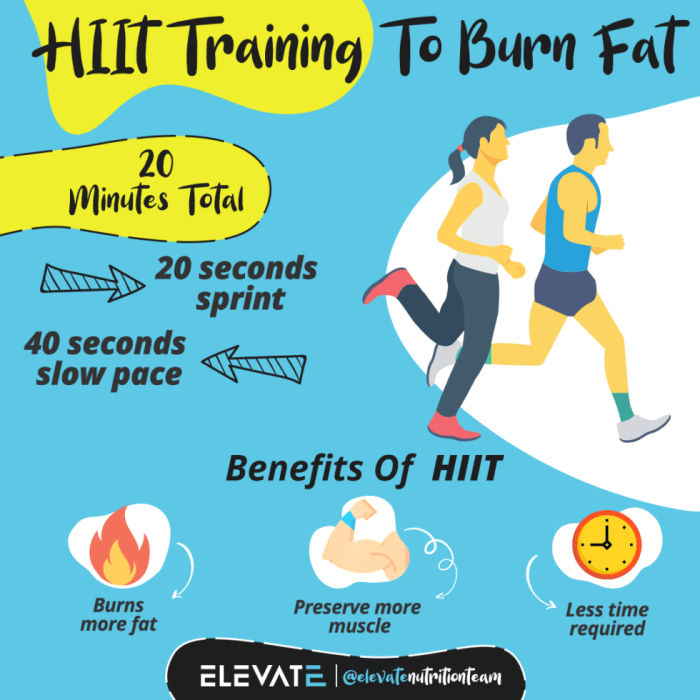
HIIT involves alternating between intense bursts of exercise and short periods of rest or lower intensity activity. This type of training can lead to improvements in cardiovascular health by increasing the heart’s capacity to pump blood efficiently. The high-intensity intervals push the heart to work harder, strengthening its muscles and improving overall cardiovascular function. Over time, this can result in a lower resting heart rate, reduced blood pressure, and increased endurance.
Weight Loss and Muscle Toning
HIIT is known for its effectiveness in burning calories and fat, making it a popular choice for individuals looking to lose weight. The intense nature of HIIT workouts elevates the heart rate and metabolism, leading to a greater calorie burn both during and after the workout. Additionally, HIIT can help build lean muscle mass, as the intense intervals engage multiple muscle groups simultaneously. This combination of cardio and strength training elements in HIIT can contribute to improved muscle tone and definition.
Healthy Eating
Regular high-intensity interval training (HIIT) can significantly impact your body’s nutritional needs and overall health. Pairing HIIT with healthy eating habits is crucial to maximize the benefits of this intense workout routine.
A balanced diet plays a vital role in complementing the effects of HIIT. Consuming the right nutrients at the right times can improve your performance during HIIT sessions, enhance muscle recovery, and support overall well-being.
Nutritious Foods for HIIT Performance
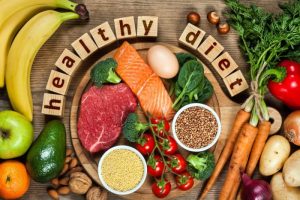
Maintaining a diet rich in lean proteins, complex carbohydrates, healthy fats, and plenty of fruits and vegetables can optimize your HIIT workouts. Some examples of nutritious foods to support HIIT performance include:
- Lean proteins such as chicken, fish, tofu, and legumes provide essential amino acids for muscle repair and growth.
- Complex carbohydrates like whole grains, sweet potatoes, and quinoa are excellent sources of energy for intense workouts.
- Healthy fats from sources like avocados, nuts, and olive oil support hormone production and aid in nutrient absorption.
- Fruits and vegetables high in vitamins, minerals, and antioxidants help reduce inflammation, boost immunity, and promote overall health.
Preventive Care
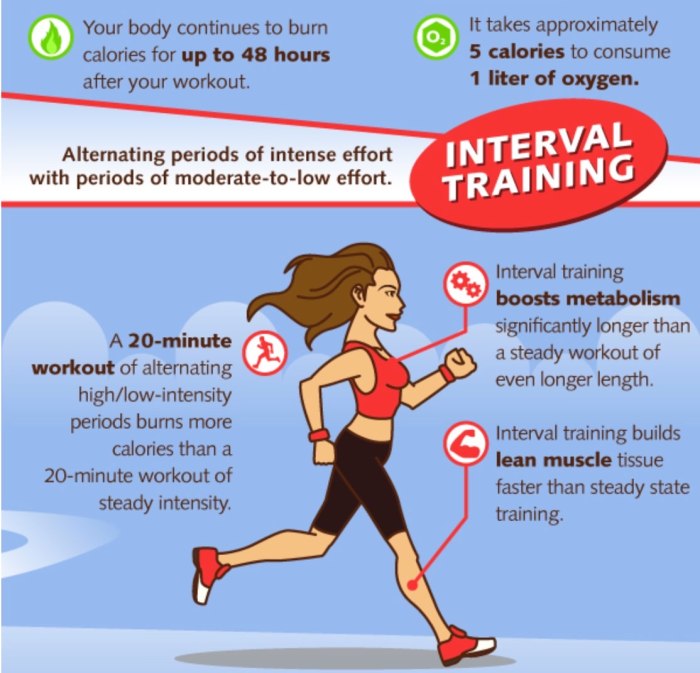
High-intensity interval training (HIIT) plays a crucial role in preventive care measures by promoting overall health and reducing the risk of chronic diseases. This form of exercise involves short bursts of intense activity followed by brief periods of rest or lower intensity exercise, making it an efficient and effective workout routine for individuals looking to improve their well-being.
Reduced Risk of Chronic Diseases
- HIIT has been shown to improve cardiovascular health by increasing heart function and lowering blood pressure and cholesterol levels.
- Regular HIIT workouts can help reduce the risk of developing type 2 diabetes by improving insulin sensitivity and glucose regulation.
- Studies have also indicated that HIIT can lower the risk of obesity, a significant risk factor for various chronic diseases such as heart disease, stroke, and certain types of cancer.
Improved Overall Health and Well-being, Benefits of high-intensity interval training (HIIT)
- HIIT not only enhances physical fitness but also has a positive impact on mental wellness by reducing stress levels and improving mood through the release of endorphins.
- Engaging in HIIT can boost metabolism and aid in weight management, contributing to overall health and well-being.
- Furthermore, the time-efficient nature of HIIT workouts makes it easy for individuals to incorporate regular exercise into their busy schedules, promoting long-term health benefits.
Balanced Diet
Maintaining a balanced diet is crucial when engaging in high-intensity interval training (HIIT) as it provides the necessary nutrients to fuel your workouts, aid in recovery, and optimize performance.
Exercising regularly with HIIT requires a combination of macronutrients such as carbohydrates, proteins, and fats, along with micronutrients like vitamins and minerals to support overall health and fitness goals.
Optimizing Performance with Food
Eating the right foods before and after your HIIT sessions can significantly impact your performance. Consuming complex carbohydrates like whole grains, fruits, and vegetables can provide sustained energy levels for your workouts. Lean proteins such as chicken, fish, tofu, or legumes can help with muscle repair and growth. Additionally, healthy fats from sources like nuts, seeds, and avocado can support overall health and aid in nutrient absorption.
Nutrition for Recovery
After a challenging HIIT session, it’s essential to refuel your body with a balanced meal or snack to support recovery. Including a mix of carbohydrates and proteins in your post-workout meal can help replenish glycogen stores, repair muscle tissue, and reduce muscle soreness. Foods like Greek yogurt with berries, a turkey and avocado wrap, or a smoothie with banana and protein powder can be great options to promote recovery.
Regular Exercise
Regular exercise is a key component of a healthy lifestyle, and incorporating high-intensity interval training (HIIT) sessions into your fitness routine can bring numerous benefits. HIIT is known for its efficiency in burning calories, improving cardiovascular health, and boosting metabolism. It involves short bursts of intense exercise followed by brief periods of rest or lower-intensity activity, making it a time-saving and effective workout option.
Significance of Regular HIIT Sessions
- HIIT workouts help increase endurance and stamina over time.
- Regular HIIT sessions can lead to improved muscle tone and strength.
- HIIT is a versatile form of exercise that can be adapted to different fitness levels and goals.
Tips for Staying Consistent with HIIT Workouts
- Schedule your HIIT sessions in advance and treat them as non-negotiable appointments.
- Find a workout buddy or join a HIIT class to stay motivated and accountable.
- Mix up your HIIT routines to prevent boredom and keep challenging your body.
Long-Term Benefits of Committing to Regular High-Intensity Training
- Reduced risk of chronic diseases such as heart disease, diabetes, and obesity.
- Improved mental clarity, mood, and overall sense of well-being.
- Enhanced metabolism that continues to burn calories even after the workout is over.
Mental Health
Regular high-intensity interval training (HIIT) can have a significant positive impact on mental health. The combination of intense exercise and rest periods in HIIT workouts can lead to various mental health benefits, contributing to overall well-being.
Endorphins and Mood Boost
During HIIT sessions, the body releases endorphins, which are often referred to as “feel-good” hormones. These endorphins act as natural painkillers and mood elevators, helping to reduce stress and anxiety levels. The release of endorphins during HIIT can create a sense of euphoria, commonly known as the “runner’s high,” which can improve mood and increase feelings of happiness.
Mental Health Benefits of HIIT
- Reduced symptoms of depression and anxiety
- Improved cognitive function and focus
- Enhanced self-esteem and confidence
- Better stress management and resilience
- Promotion of better sleep quality
Holistic Wellness
Regular engagement in high-intensity interval training (HIIT) not only benefits physical fitness and mental wellness but also contributes significantly to holistic wellness. By targeting various aspects of well-being, HIIT plays a crucial role in improving overall quality of life.
Interconnectedness of Physical, Mental, and Emotional Well-being
- HIIT promotes the release of endorphins, which are known as ‘feel-good’ hormones, leading to improved mood and emotional well-being.
- The physical challenges of HIIT workouts can help individuals build mental resilience, boosting their overall mental health.
- Improved physical fitness through HIIT can enhance self-esteem and confidence, positively impacting emotional well-being.
Examples of How HIIT Improves Overall Quality of Life
- Increased energy levels from HIIT workouts can result in higher productivity and better performance in daily activities.
- Improved cardiovascular health and endurance gained through HIIT can enhance overall physical health and longevity.
- Better stress management abilities developed through HIIT can lead to reduced anxiety levels and improved emotional balance.
Chronic Diseases: Benefits Of High-intensity Interval Training (HIIT)
High-intensity interval training (HIIT) has been proven to be a beneficial form of exercise in preventing and managing chronic diseases. By incorporating HIIT workouts into your routine, you can significantly improve your overall health and reduce the risk of developing various chronic conditions.
Cardiovascular Diseases
- HIIT has been shown to improve cardiovascular health by increasing heart strength and reducing blood pressure levels.
- Regular HIIT sessions can help lower cholesterol levels and decrease the risk of heart disease.
- Individuals with existing heart conditions can benefit from HIIT under proper supervision from healthcare professionals.
Type 2 Diabetes
- HIIT can enhance insulin sensitivity and aid in better blood sugar control, making it an effective tool in managing type 2 diabetes.
- Short, intense bursts of exercise followed by rest periods can help regulate glucose levels and improve overall metabolic function.
Obesity
- HIIT is a great way to burn calories efficiently and promote weight loss, which is crucial in preventing and managing obesity.
- The intense nature of HIIT workouts can boost metabolism and help individuals achieve and maintain a healthy weight.
Immunity Boosters
Regular high-intensity interval training (HIIT) can play a significant role in boosting the body’s immune system function. By engaging in intense bursts of exercise followed by short periods of rest, HIIT can help strengthen the body’s defense mechanisms and enhance overall health.
Enhanced Immune Response
- HIIT has been shown to increase the production of white blood cells, which are essential for fighting off infections and illnesses.
- Regular HIIT workouts can also improve the circulation of immune cells in the body, allowing them to reach areas of potential infection more efficiently.
- Studies have suggested that individuals who incorporate HIIT into their fitness routine may experience fewer colds and illnesses compared to those who do not engage in high-intensity exercise.
Answers to Common Questions
Benefits of high-intensity interval training (HIIT) – How does HIIT impact mental health?
HIIT boosts mood through the release of endorphins, promoting a positive mindset and mental well-being.
Can HIIT prevent chronic diseases?
Regular HIIT workouts can help lower the risk of chronic diseases by improving overall health and fitness levels.
What foods support optimal HIIT performance?
Nutrient-rich foods like lean proteins, whole grains, and fruits can fuel your HIIT sessions for maximum effectiveness.