Physical Fitness Activities for Seniors
Regular physical activity is essential for seniors to maintain their overall health and well-being. Engaging in low-impact exercises, flexibility routines, and strength training can help improve mobility, balance, and strength in older adults.
List and Describe Low-Impact Exercises Suitable for Seniors:
- Walking: A simple yet effective exercise that can be done indoors or outdoors at a pace that suits the individual’s fitness level.
- Swimming: This low-impact activity is gentle on the joints and provides a full-body workout.
- Cycling: Riding a stationary bike or going for a leisurely bike ride can improve cardiovascular health and leg strength.
- Yoga: A gentle form of exercise that focuses on flexibility, balance, and relaxation.
Explain the Importance of Flexibility Exercises for Older Adults:
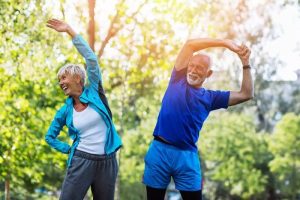
Flexibility exercises help seniors maintain a full range of motion in their joints, which can prevent stiffness and reduce the risk of falls. Stretching routines can improve posture, coordination, and overall mobility, making daily activities easier to perform.
Discuss the Benefits of Strength Training in Elderly Fitness Routines:
Strength training helps seniors build muscle mass, which naturally declines with age. By incorporating resistance exercises with light weights or resistance bands, older adults can increase their strength, bone density, and metabolism. This can lead to improved balance, reduced risk of osteoporosis, and enhanced overall functional abilities.
Mental Wellness for Seniors
Regular physical fitness activities play a crucial role in promoting mental wellness for seniors. Exercise has been shown to improve mood, reduce stress, and enhance overall mental well-being in older adults.
Physical fitness activities contribute to mental well-being by releasing endorphins, also known as “feel-good” hormones, which can help reduce feelings of anxiety and depression. Engaging in regular exercise also helps seniors maintain a sense of purpose and accomplishment, boosting their self-esteem and confidence.
Connection between staying active and cognitive function
Physical activity has a direct impact on cognitive function in older adults. Staying active through fitness routines can help improve memory, focus, and overall brain health. Regular exercise promotes the growth of new brain cells and strengthens neural connections, which are vital for maintaining cognitive function as we age.
- Include a variety of exercises that challenge different cognitive skills, such as balance, coordination, and memory.
- Participate in group fitness classes or activities to enhance social interaction and cognitive stimulation.
- Try incorporating brain games or puzzles into your fitness routine to keep your mind sharp and engaged.
Tips on incorporating mindfulness practices
Mindfulness practices can further enhance the mental benefits of senior fitness routines. Mindfulness involves being fully present and aware in the moment, which can help reduce stress and improve focus.
- Start each fitness session with a few minutes of deep breathing or meditation to center yourself and set a positive intention for the workout.
- Focus on the sensations in your body during physical exercises, such as the feeling of your muscles contracting and relaxing.
- Practice gratitude by reflecting on the positive aspects of your fitness journey and the progress you have made towards your goals.
Healthy Eating Tips for Seniors
Physical fitness activities for seniors – As seniors age, it becomes increasingly important to focus on maintaining a healthy diet to support overall well-being. Here are some key tips to help seniors make nutritious food choices:
Nutrient-Dense Foods for Senior Health
It’s crucial for seniors to consume foods that are rich in essential nutrients to support their health. Some examples of nutrient-dense foods include:
- Leafy green vegetables like spinach and kale
- Fatty fish such as salmon and mackerel
- Whole grains like quinoa and brown rice
- Lean proteins like chicken, turkey, and tofu
- Fruits such as berries, oranges, and apples
Importance of Hydration in the Elderly Diet
Staying hydrated is vital for seniors to maintain proper bodily functions and overall health. Dehydration can lead to a range of health issues, so it’s important for seniors to drink an adequate amount of water throughout the day. Some strategies to ensure proper hydration include:
- Carrying a water bottle to sip on throughout the day
- Consuming hydrating foods like watermelon and cucumber
- Setting reminders to drink water regularly
- Avoiding excessive caffeine and alcohol consumption
Strategies for Maintaining a Balanced Diet as a Senior
Seniors can benefit from following these strategies to ensure they are maintaining a balanced diet:
- Planning meals in advance to include a variety of food groups
- Avoiding processed foods high in sugar, salt, and unhealthy fats
- Eating smaller, more frequent meals throughout the day
- Listening to hunger and fullness cues to prevent overeating
- Seeking guidance from a healthcare provider or nutritionist for personalized dietary recommendations
Preventive Care for Senior Health
Regular check-ups and screenings play a crucial role in preventive care for seniors. These preventive measures help in early detection of any potential health issues and allow for timely intervention to maintain overall well-being.
The Importance of Vaccinations
Vaccinations are essential in maintaining senior health as they help prevent serious illnesses and complications. Seniors should ensure they are up to date with their vaccinations, including flu shots, pneumonia vaccines, and others recommended by their healthcare provider.
Fall Prevention and Safety Measures
– Keep the home well-lit and free of clutter to reduce the risk of falls.
– Install grab bars in the bathroom and handrails on staircases for added support.
– Encourage regular exercise to improve strength, balance, and coordination.
– Wear proper footwear with good traction to prevent slipping.
– Discuss any concerns about balance or mobility with a healthcare provider for personalized recommendations.
Balanced Diet and Nutrition for Seniors
Ensuring a balanced diet is crucial for the overall wellness of seniors. A well-rounded diet provides essential nutrients that support healthy aging, maintain energy levels, and reduce the risk of chronic diseases.
Significance of a Well-Rounded Diet
A balanced diet for seniors should include a variety of fruits, vegetables, whole grains, lean proteins, and healthy fats. These nutrients help in maintaining muscle mass, bone strength, cognitive function, and overall vitality. Adequate hydration is also key to support proper bodily functions and prevent dehydration, which is common among older adults.
Impact of Dietary Choices on Chronic Disease Prevention
- Consuming a diet rich in fruits and vegetables can help lower the risk of heart disease, stroke, certain cancers, and other chronic conditions.
- Limiting the intake of saturated fats, trans fats, cholesterol, sodium, and added sugars can contribute to better heart health and overall well-being.
- Including sources of omega-3 fatty acids, such as fish, nuts, and seeds, can support brain health and reduce inflammation in the body.
Meal Planning Tips for Seniors
- Plan meals that incorporate a variety of colors to ensure a range of nutrients are consumed.
- Include high-fiber foods like whole grains, legumes, and fruits to support digestive health and prevent constipation.
- Aim for smaller, more frequent meals throughout the day to maintain energy levels and prevent overeating.
- Consult with a healthcare provider or nutritionist to address any specific dietary needs or restrictions.
Regular Exercise Routines for Seniors
Regular exercise is crucial for maintaining physical health and mobility in seniors. It helps improve strength, flexibility, balance, and overall well-being. Here is a sample weekly exercise routine suitable for seniors, along with tips for staying motivated to exercise regularly in old age.
Sample Weekly Exercise Routine
- Monday: 30 minutes of walking or light cardio
- Tuesday: Strength training with light weights or resistance bands
- Wednesday: Yoga or gentle stretching exercises
- Thursday: 20 minutes of swimming or water aerobics
- Friday: Rest day or light activity such as gardening
- Saturday: Tai Chi or balance exercises
- Sunday: Relaxing activities like meditation or nature walks
The Importance of Consistency in Senior Fitness Programs
Consistency is key when it comes to reaping the benefits of exercise as a senior. Regular physical activity helps maintain muscle mass, improve cardiovascular health, and prevent chronic conditions such as diabetes and osteoporosis. By sticking to a consistent exercise routine, seniors can enhance their quality of life and independence.
Tips for Staying Motivated to Exercise Regularly in Old Age
- Set realistic goals and track your progress to stay motivated.
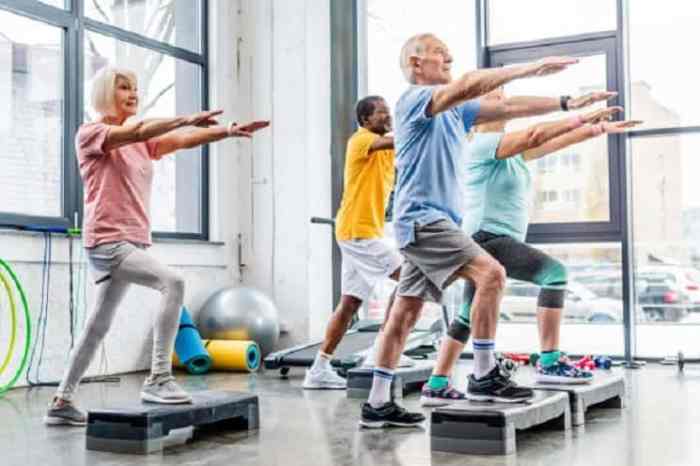
- Find an exercise buddy or join group fitness classes for social support.
- Switch up your routine to keep things interesting and prevent boredom.
- Reward yourself for reaching milestones or sticking to your exercise plan.
- List down the benefits of regular exercise to remind yourself why it’s important for your health.
Mental Health Benefits of Physical Fitness
Regular physical activity is not only beneficial for the body but also plays a crucial role in improving mental health, especially in seniors. Exercise has been shown to have a positive impact on mood, reduce stress, and enhance overall well-being in older adults.
Improved Mood and Stress Reduction
Exercise releases endorphins, also known as “feel-good” hormones, which can help seniors feel happier and more relaxed. By engaging in physical fitness activities, seniors can combat feelings of anxiety, depression, and stress, leading to a more positive outlook on life.
- Physical activity can act as a natural mood booster, promoting a sense of accomplishment and satisfaction.
- Regular exercise can help seniors cope better with daily stressors and challenges, leading to improved mental resilience.
- By focusing on the present moment during exercise, seniors can practice mindfulness, which is beneficial for mental well-being.
Enhanced Mental Resilience
There is a strong connection between physical fitness and mental resilience in the elderly. Seniors who engage in regular exercise routines tend to exhibit greater mental toughness and emotional strength, enabling them to navigate through life’s ups and downs with more ease.
- Exercise can help seniors build confidence, self-esteem, and a sense of control over their lives, which are essential for mental resilience.
- Physical fitness activities challenge seniors both mentally and physically, fostering adaptability and problem-solving skills.
- Through consistent exercise, seniors can develop a positive mindset and the ability to bounce back from setbacks, promoting mental fortitude.
Success Stories and Testimonials
Many seniors have shared inspiring success stories and testimonials about the mental health benefits they have experienced by staying active in old age. These personal accounts highlight the transformative power of physical fitness in enhancing mental well-being and quality of life for older adults.
“After incorporating regular exercise into my routine, I noticed a significant improvement in my mood and overall outlook. I feel more energized, positive, and resilient in facing life’s challenges.”
“Exercise has become my go-to stress reliever, helping me manage anxiety and maintain a sense of calmness. It has truly been a game-changer for my mental health.”
Holistic Wellness Approach for Seniors
When it comes to senior care, a holistic wellness approach considers the integration of physical, mental, and emotional well-being to promote overall health and wellness in older adults. By addressing all aspects of wellness, seniors can experience improved quality of life and better overall health outcomes.
Benefits of a Holistic Approach
- Improves overall quality of life for seniors
- Addresses the root cause of health issues
- Promotes a balanced lifestyle
- Enhances emotional well-being
Integration of Physical, Mental, and Emotional Well-Being, Physical fitness activities for seniors
A holistic wellness approach for seniors involves not only physical exercise but also mental and emotional practices. This can include activities such as meditation, mindfulness exercises, social interactions, and cognitive stimulation. By integrating these aspects, seniors can achieve a more balanced and fulfilling life.
Examples of Holistic Practices
- Yoga and Tai Chi for physical and mental well-being
- Meditation and deep breathing exercises for stress relief
- Social activities and community engagement for emotional wellness
- Healthy eating habits and nutrition education for overall health
Managing Chronic Diseases through Fitness: Physical Fitness Activities For Seniors
Regular physical fitness activities can play a crucial role in managing chronic diseases in seniors. By incorporating exercise into their daily routine, seniors can experience numerous benefits that can help alleviate symptoms and improve overall health.
Improving Symptoms of Common Age-Related Diseases
- Regular exercise can help improve cardiovascular health, reducing the risk of heart disease and stroke.
- Physical activity can enhance flexibility and mobility, which is beneficial for seniors with arthritis.
- Strength training exercises can help increase bone density and muscle mass, reducing the risk of osteoporosis.
- Aerobic exercises can boost lung function and overall respiratory health, benefiting seniors with chronic obstructive pulmonary disease (COPD).
Success Stories of Seniors Managing Chronic Illnesses
“I have diabetes, and since I started incorporating regular walks into my routine, my blood sugar levels have been more stable, and I feel more energetic.” – Mary, 70
“Living with fibromyalgia was challenging, but after joining a senior fitness class, I noticed a significant reduction in my pain levels and an improvement in my overall well-being.” – John, 75
“I have been managing my hypertension through a combination of medication and regular exercise. My doctor has noticed a positive change in my blood pressure readings, and I feel stronger and healthier.” – Sarah, 68
Immunity Boosters for Senior Health
Regular exercise plays a crucial role in supporting the immune system function in older adults. Physical activity helps improve circulation, reduce inflammation, and enhance the production of antibodies, all of which contribute to a stronger immune response.
Lifestyle Habits to Support a Strong Immune System in Seniors
- Adequate sleep: Getting enough rest is essential for immune health as it allows the body to repair and regenerate cells.
- Stress management: Chronic stress can weaken the immune system, so practicing relaxation techniques can be beneficial.
- Hydration: Staying hydrated helps the body flush out toxins and supports immune function.
- Regular handwashing: Good hygiene practices can help prevent the spread of infections.
Immune-Boosting Foods and Supplements for the Elderly
- Colorful fruits and vegetables: Rich in antioxidants and vitamins that support immune function.
- Probiotics: Help maintain a healthy gut microbiome, which is essential for a strong immune system.
- Vitamin C: Known for its immune-boosting properties, found in citrus fruits, bell peppers, and strawberries.
- Zinc: Supports immune cell function and can be obtained from nuts, seeds, and legumes.
Key Questions Answered
What are some examples of low-impact exercises suitable for seniors?
Low-impact exercises for seniors include walking, swimming, yoga, and tai chi, which help improve flexibility and strength without putting too much strain on joints.
How can strength training benefit elderly fitness routines?
Strength training can enhance muscle mass, bone density, and overall functional abilities in seniors, promoting better balance and reducing the risk of falls.
Why is hydration important in the elderly diet?
Proper hydration is essential for seniors to maintain cognitive function, regulate body temperature, and support overall health by aiding in digestion and nutrient absorption.