Physical Fitness Routines for Beginners
Best physical fitness routines for beginners – Starting a fitness routine as a beginner can be intimidating, but with the right approach, it can be a rewarding journey towards a healthier lifestyle. Here are some key points to consider when designing a workout plan for beginners.
Low-Impact Exercises for Beginners
Low-impact exercises are gentle on the joints and perfect for beginners who are just starting their fitness journey. Some examples include:
- Walking
- Swimming
- Cycling
- Yoga
Creating a Beginner-Friendly Workout Plan
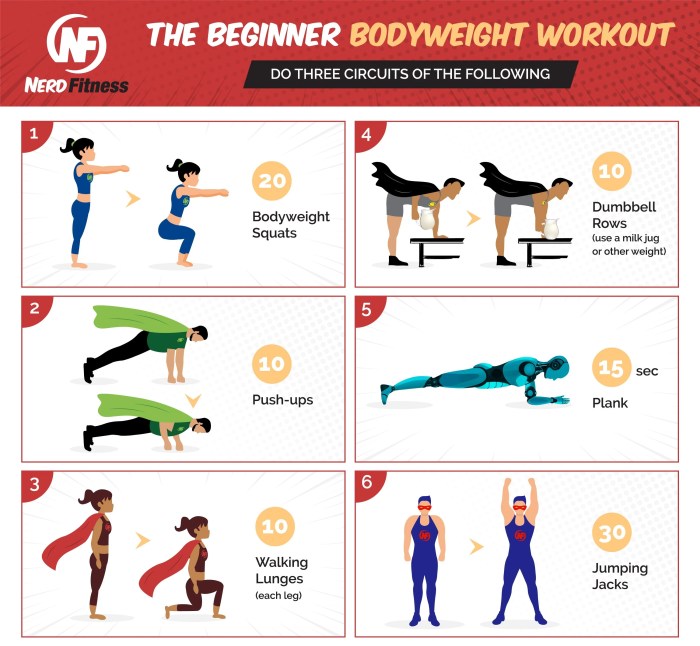
When creating a workout plan for beginners, it’s important to start slow and gradually increase the intensity to avoid injury and burnout. Here’s a simple guide to creating a beginner-friendly workout plan:
- Set realistic goals
- Incorporate a mix of cardio, strength training, and flexibility exercises
- Start with shorter workout sessions and gradually increase the duration
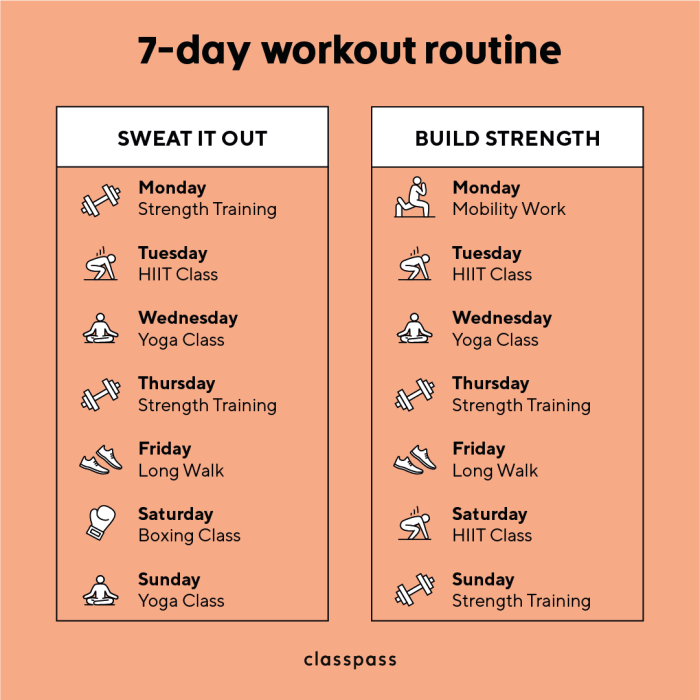
- List down specific exercises for each day of the week
Importance of Starting Slow and Gradually Increasing Intensity
Starting slow is crucial for beginners to build a solid foundation and prevent overexertion. By gradually increasing the intensity of workouts, beginners can improve their fitness levels safely and effectively.
Benefits of Cardio, Strength Training, and Flexibility Exercises for Beginners
Incorporating a variety of exercises into a beginner’s workout routine offers numerous benefits:
- Cardio exercises improve cardiovascular health and endurance.
- Strength training helps build muscle strength and bone density.
- Flexibility exercises enhance range of motion and reduce the risk of injuries.
Mental Wellness in Fitness
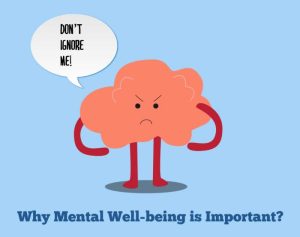
Regular physical exercise is not only beneficial for the body but also plays a crucial role in improving mental health. For beginners, incorporating fitness routines into their daily lives can positively impact their overall well-being. Let’s explore how physical activity can contribute to mental wellness and provide tips on staying motivated during the fitness journey.
Improved Mood and Cognitive Function
Regular exercise has been linked to improved mood and cognitive function. Physical activity stimulates the production of endorphins, also known as “feel-good” hormones, which can help reduce stress, anxiety, and symptoms of depression. Additionally, exercise promotes better blood flow to the brain, leading to enhanced cognitive function and focus.
- Engage in aerobic exercises like running or cycling to boost endorphin levels and improve mood.
- Try incorporating strength training exercises to enhance cognitive function and mental clarity.
- Consistency is key – aim to establish a routine that includes a mix of aerobic and strength training activities for maximum mental benefits.
Staying Motivated and Maintaining a Positive Mindset
Staying motivated as a beginner can be challenging, but adopting a positive mindset is essential for long-term success in fitness. Setting achievable goals, tracking progress, and celebrating small victories can help maintain motivation throughout the journey.
- Find a workout buddy or join a fitness class to stay accountable and motivated.
- Practice self-compassion and be patient with yourself as you progress in your fitness journey.
- Focus on the positive changes in your mood and energy levels as a result of regular exercise to keep yourself motivated.
Mindfulness Practices for Mental Well-being, Best physical fitness routines for beginners
Incorporating mindfulness practices alongside physical fitness routines can further enhance mental well-being. Mindfulness techniques such as deep breathing, meditation, and yoga can help reduce stress, increase self-awareness, and promote a sense of calm and balance.
- Take a few minutes each day to practice deep breathing exercises to calm the mind and reduce stress.
- Explore guided meditation sessions to improve focus, clarity, and emotional resilience.
- Consider integrating yoga into your fitness routine for a holistic approach to physical and mental well-being.
Healthy Eating for Beginners
When embarking on a physical fitness journey, it is essential to remember that exercise alone is not enough to achieve optimal results. A balanced diet plays a crucial role in supporting your fitness goals and overall well-being. By fueling your body with the right nutrients, you can enhance your performance, promote muscle recovery, and maintain a healthy weight.
Significance of a Balanced Diet
A balanced diet provides the necessary nutrients to support your physical activity and ensure proper functioning of your body. It helps in replenishing energy stores, repairing muscle tissues, and boosting your immune system. Without proper nutrition, your fitness progress may be hindered, and you may experience fatigue, weakness, and slower recovery times.
Examples of Nutritious Foods
- Fruits and vegetables: Rich in vitamins, minerals, and antioxidants to support overall health.
- Lean proteins: Chicken, fish, tofu, and legumes provide essential amino acids for muscle repair and growth.
- Whole grains: Brown rice, quinoa, and oats offer sustained energy and fiber for digestion.
- Healthy fats: Avocados, nuts, and olive oil provide essential fatty acids for brain function and hormone production.
Importance of Hydration
Staying hydrated is crucial for optimal physical performance and overall health. Water helps regulate body temperature, transport nutrients, and remove waste products. Dehydration can lead to decreased energy levels, muscle cramps, and impaired cognitive function. It is important to drink an adequate amount of water throughout the day, especially before, during, and after exercise.
Simple Meal Planning Tips
- Plan your meals ahead of time to ensure you have nutritious options readily available.
- Include a variety of foods from different food groups to meet your nutrient needs.
- Aim for balanced meals that contain a mix of carbohydrates, proteins, and fats.
- Avoid skipping meals and opt for smaller, more frequent meals to maintain energy levels.
- Listen to your body’s hunger and fullness cues to prevent overeating or undereating.
Preventive Care and Fitness
Regular exercise and a healthy lifestyle play a crucial role in preventive care for beginners. By incorporating fitness routines into their daily lives, beginners can significantly reduce the risk of chronic diseases and improve their overall well-being.
Role of Fitness Routines in Reducing Chronic Disease Risk
- Physical activity helps maintain a healthy weight, reducing the risk of obesity-related conditions such as heart disease, diabetes, and high blood pressure.
- Exercise boosts the immune system, making beginners less susceptible to infections and illnesses.
- Regular workouts improve cardiovascular health, reducing the likelihood of heart-related issues.
Tips for Injury Prevention and Importance of Proper Form
Injury prevention is crucial for beginners starting a fitness regimen. It is essential to:
- Start slowly and gradually increase intensity to avoid overexertion.
- Focus on proper form and technique to prevent strains and injuries.
- Listen to your body and rest when needed to avoid pushing beyond limits.
- Consult with a fitness professional for guidance on safe and effective workout practices.
Significance of Rest and Recovery Days
Rest and recovery days are vital components of a beginner’s fitness routine for preventive care. They allow the body to:
- Repair and strengthen muscles after intense workouts.
- Prevent burnout and fatigue, promoting long-term adherence to exercise habits.
- Reduce the risk of overtraining and related injuries.
Immunity Boosters and Fitness
Regular exercise plays a crucial role in boosting immunity and overall health for beginners. By engaging in physical fitness routines, beginners can strengthen their immune system, making them more resilient to illnesses and infections. Additionally, exercise helps reduce inflammation in the body, improve circulation, and promote better sleep, all of which contribute to a healthy immune system.
Importance of Physical Fitness for Immunity
Regular physical activity can enhance the immune system by promoting good circulation, reducing inflammation, and improving overall health. Beginners can start with low-impact exercises such as walking, yoga, or swimming to gradually build their fitness level and support their immune function.
Immune-Boosting Foods for Beginners
Incorporating immune-boosting foods into a beginner’s diet can complement their fitness routine and further support their immune system. Foods rich in antioxidants, vitamins, and minerals such as citrus fruits, leafy greens, nuts, seeds, and lean proteins can help strengthen the body’s natural defenses.
Tips for Maintaining a Healthy Immune System
To maintain a healthy immune system, beginners should focus on a balanced diet, regular exercise, stress management, and adequate sleep. Hydration is also key in supporting the immune system. By adopting a holistic approach that combines fitness, nutrition, and lifestyle choices, beginners can enhance their overall health and well-being.
Commonly Asked Questions: Best Physical Fitness Routines For Beginners
What are some low-impact exercises suitable for beginners?
Examples of low-impact exercises for beginners include walking, swimming, cycling, and yoga.
How important is it to start slow and gradually increase intensity in fitness routines?
Starting slow and gradually increasing intensity helps prevent injuries and allows your body to adapt to the new demands of exercise.
Why is a balanced diet important for beginners starting a fitness routine?
A balanced diet provides the necessary nutrients to support your body during physical activity and aids in achieving fitness goals.
How can beginners stay motivated during their fitness journey?
Beginners can stay motivated by setting realistic goals, tracking their progress, finding a workout buddy, and varying their routines to keep things interesting.