Mental Wellness
Maintaining mental wellness during challenging times is crucial for overall well-being. It helps individuals cope with stress, anxiety, and uncertainty, allowing them to navigate difficult situations more effectively. By prioritizing mental wellness, individuals can improve their resilience and ability to overcome obstacles.
Strategies for Maintaining Mental Wellness
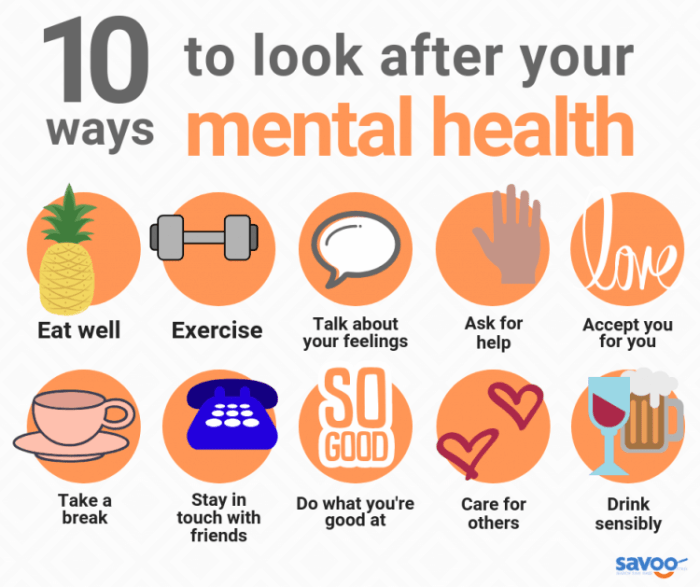
- Practice mindfulness and meditation to stay present and reduce stress levels.
- Engage in regular physical exercise to boost mood and overall mental health.
- Establish a routine to create a sense of structure and stability in daily life.
- Connect with loved ones for social support and to share feelings and experiences.
- Set boundaries to protect your mental and emotional well-being from negative influences.
Activities to Improve Mental Health
- Journaling to express thoughts and emotions and gain clarity on personal feelings.
- Engaging in creative hobbies such as painting, crafting, or playing music to relax and unwind.
- Spending time in nature to recharge and find peace in natural surroundings.
- Practicing gratitude by keeping a gratitude journal or reflecting on positive aspects of life.
- Learning something new to stimulate the mind and foster a sense of accomplishment.
Physical Fitness
Regular exercise and physical fitness play a crucial role in maintaining good mental health. The connection between physical activity and mental wellness is well-documented, as exercise has been shown to have numerous benefits on our psychological well-being.
Benefits of Regular Exercise on Mental Wellness
Regular physical activity can help reduce symptoms of anxiety and depression, improve mood, boost self-esteem, and enhance cognitive function. Exercise stimulates the release of endorphins, also known as “feel-good” hormones, which can help alleviate stress and anxiety. Additionally, staying active can improve sleep quality, increase energy levels, and promote overall feelings of well-being.
- Enhances mood and reduces symptoms of anxiety and depression
- Boosts self-esteem and confidence
- Improves cognitive function and brain health
- Alleviates stress and promotes relaxation
- Increases energy levels and overall well-being
Types of Physical Activities to Boost Mental Well-Being
There are various types of physical activities that can help improve mental wellness, including:
- Aerobic exercises: such as running, cycling, or swimming, can increase heart rate and improve overall cardiovascular health, leading to better mood and reduced anxiety.
- Strength training: lifting weights or bodyweight exercises can help build muscle strength, improve body image, and boost self-confidence.
- Yoga: combines physical postures, breathing techniques, and meditation to promote relaxation, reduce stress, and improve mental clarity.
- Dance: whether it’s Zumba, hip-hop, or ballroom dancing, moving to the music can lift your spirits, enhance coordination, and provide a fun way to stay active.
- Outdoor activities: hiking, gardening, or playing sports outdoors can increase exposure to sunlight, vitamin D, and nature, all of which have positive effects on mental health.
Healthy Eating: How To Maintain Mental Wellness During Challenging Times
Eating a balanced and nutritious diet plays a crucial role in maintaining good mental health. The foods we consume can impact our mood, energy levels, and overall well-being. Incorporating healthy eating habits can help support mental wellness and improve cognitive function.
Benefits of Healthy Eating for Mental Wellness
Eating a diet rich in fruits, vegetables, whole grains, lean proteins, and healthy fats provides essential nutrients that support brain health and function. These nutrients can help regulate neurotransmitters, reduce inflammation, and improve overall mental clarity. Additionally, a balanced diet can help stabilize blood sugar levels, which can have a positive impact on mood and energy levels.
Tips for Incorporating a Balanced Diet
- Aim to include a variety of colorful fruits and vegetables in your meals to ensure you are getting a range of vitamins and minerals.
- Choose whole grains such as brown rice, quinoa, and oats over refined grains like white bread and pasta.
- Incorporate lean proteins like poultry, fish, beans, and nuts into your diet to support brain function and muscle health.
- Include healthy fats from sources like avocados, nuts, seeds, and olive oil to support brain health and reduce inflammation.
- Limit processed foods, sugary snacks, and drinks high in added sugars, as they can negatively impact mood and energy levels.
Specific Nutrients for Mental Well-Being
- Omega-3 fatty acids: Found in fatty fish like salmon, walnuts, and flaxseeds, omega-3s are important for brain health and can help reduce symptoms of depression and anxiety.
- B vitamins: Foods like leafy greens, whole grains, and lean meats contain B vitamins that support energy production and neurotransmitter function, which can impact mood and cognitive function.
- Antioxidants: Fruits, vegetables, and nuts rich in antioxidants can help reduce inflammation and oxidative stress in the brain, promoting overall mental well-being.
- Probiotics: Fermented foods like yogurt, kimchi, and sauerkraut contain probiotics that support gut health, which has been linked to improved mood and mental health.
Preventive Care
In order to maintain optimal mental wellness, it is crucial to prioritize preventive care measures. By taking proactive steps to protect and nurture our mental health, we can prevent the onset of more serious issues and promote overall well-being.
Importance of Preventive Care
Preventive care plays a vital role in safeguarding mental wellness by addressing potential stressors and triggers before they escalate into more significant challenges. By implementing preventive measures, individuals can build resilience and develop coping strategies to better manage difficult situations.
- Engage in regular self-care practices such as mindfulness, meditation, and deep breathing exercises to reduce stress and promote relaxation.
- Establish a strong support system of friends, family, or mental health professionals who can provide guidance and assistance during challenging times.
- Maintain a healthy work-life balance to prevent burnout and exhaustion, ensuring adequate time for rest and recreation.
- Practice healthy boundaries and assertiveness in relationships to protect mental well-being and avoid unnecessary stressors.
Role of Early Intervention
Early intervention is key to maintaining mental well-being as it allows individuals to address issues promptly and prevent them from escalating. By seeking help at the onset of symptoms or challenges, individuals can receive the necessary support and resources to navigate difficult situations effectively.
Remember, taking proactive steps to care for your mental health is essential in promoting overall well-being and resilience.
Holistic Wellness
Holistic wellness is an approach that considers the whole person – mind, body, and spirit – in order to achieve optimal health and well-being. It recognizes the interconnectedness of these aspects and emphasizes the importance of balance and harmony to promote overall wellness. When it comes to mental health, holistic wellness focuses on addressing the underlying causes of mental health issues rather than just treating the symptoms.
Holistic Approaches to Improving Mental Well-being, How to maintain mental wellness during challenging times
- Yoga and Meditation: Practices like yoga and meditation can help reduce stress, anxiety, and depression by promoting relaxation and mindfulness.
- Acupuncture and Acupressure: Traditional Chinese practices like acupuncture and acupressure can help improve mental health by balancing the flow of energy in the body.
- Herbal Remedies: Incorporating herbal remedies like chamomile, lavender, or ginseng can help support mental well-being and reduce symptoms of anxiety and depression.
Benefits of Incorporating Holistic Practices in Daily Life
- Improved Mental Health: Holistic practices can help improve mental health by addressing the root causes of issues and promoting overall well-being.
- Enhanced Emotional Resilience: By incorporating holistic practices, individuals can develop greater emotional resilience and better cope with stress and challenges.
- Physical Health Benefits: Many holistic practices also have physical health benefits, such as improved sleep, reduced inflammation, and increased energy levels.
Chronic Diseases
Chronic diseases can have a significant impact on mental wellness, as the constant management and symptoms of these conditions can lead to stress, anxiety, and depression. The emotional toll of dealing with a long-term illness can be overwhelming and affect one’s overall quality of life.
Strategies for Managing Mental Health with Chronic Conditions
- Develop a support system: Surround yourself with understanding friends, family members, or support groups who can provide emotional support and encouragement.
- Practice self-care: Engage in activities that bring you joy and relaxation, such as meditation, yoga, or hobbies, to help reduce stress and improve mental well-being.
- Seek professional help: Consider therapy or counseling to learn coping mechanisms and strategies for managing the emotional challenges of living with a chronic disease.
- Stay informed: Educate yourself about your condition, treatment options, and lifestyle changes that can help improve your overall health and well-being.
The Importance of Seeking Support
How to maintain mental wellness during challenging times – It is crucial to seek support when managing chronic diseases and mental well-being. By reaching out to healthcare professionals, mental health providers, or support groups, you can receive guidance, resources, and emotional support to help you navigate the challenges of living with a chronic condition.
Immunity Boosters
Maintaining a strong immune system is essential for overall well-being, including mental health. A healthy immune system can help reduce stress and anxiety, leading to improved mental wellness. Here are some immune-boosting foods, supplements, and lifestyle habits that can support both your immunity and mental well-being.
Immune-Boosting Foods and Supplements
Eating a balanced diet rich in immune-boosting nutrients can help strengthen your body’s defenses and support your mental health. Some foods and supplements known for their immune-boosting properties include:
- Citrus fruits like oranges, lemons, and grapefruits, which are high in vitamin C
- Leafy green vegetables such as spinach and kale, packed with vitamins and antioxidants
- Probiotic-rich foods like yogurt and kefir, beneficial for gut health and immune function
- Garlic, known for its antimicrobial properties and immune-boosting benefits
- Supplements like vitamin D, zinc, and elderberry extract, which can help support immune function
Lifestyle Habits for Strengthening Immunity
In addition to a healthy diet, certain lifestyle habits can also play a significant role in strengthening your immune system and promoting mental well-being. Consider incorporating the following habits into your daily routine:
- Regular exercise, which can boost immunity and reduce stress
- Adequate sleep to support immune function and cognitive health
- Stress management techniques like meditation, yoga, or deep breathing exercises
- Hydrating well and avoiding excessive alcohol consumption
- Maintaining good hygiene practices to prevent the spread of infections
Expert Answers
How can I maintain mental wellness when facing constant stress?
It’s important to practice self-care routines, engage in stress-relieving activities, and seek professional help if needed to manage stress effectively.
What role does exercise play in maintaining mental wellness?
Regular physical activity can release endorphins, reduce anxiety, and improve mood, contributing to overall mental well-being during challenging times.
How does nutrition impact mental health?
Eating a balanced diet rich in nutrients can support brain function and positively influence mental wellness, making it essential during tough times.