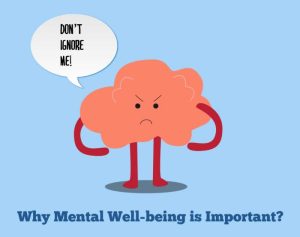
Mental Wellness
Eating habits play a crucial role in maintaining mental wellness. A balanced diet can have a significant impact on our overall mental health, influencing mood, cognitive function, and emotional well-being.
Impact of Nutrition on Mental Health
A diet rich in nutrients such as omega-3 fatty acids, antioxidants, vitamins, and minerals can help support brain function and reduce the risk of mental health disorders. For example, omega-3 fatty acids found in fish can improve cognitive function and reduce symptoms of depression and anxiety.
Connection Between Diet and Emotional Well-Being
Nutrition directly affects the production of neurotransmitters in the brain, which regulate mood and emotions. Consuming whole foods like fruits, vegetables, whole grains, and lean proteins can promote the production of “feel-good” chemicals like serotonin and dopamine, leading to improved emotional well-being.
Importance of Balanced Diet for Mental Wellness
A balanced diet that includes a variety of nutrients is essential for maintaining optimal mental health. Avoiding processed foods, excessive sugar, and unhealthy fats can help prevent mood swings, fatigue, and cognitive decline. Prioritizing whole, nutrient-dense foods can provide the brain with the essential nutrients it needs to function optimally and support mental wellness.
Physical Fitness
Maintaining healthy eating habits plays a crucial role in enhancing physical fitness. When you fuel your body with nutritious foods, you provide it with the necessary nutrients to support muscle function, repair, and growth. This, in turn, can improve your overall physical performance and endurance.
Energy-Boosting Foods for Physical Activities
Including certain foods in your diet can help boost your energy levels for physical activities. Some examples of energy-boosting foods include:
- Complex carbohydrates like whole grains, fruits, and vegetables provide a steady source of energy.
- Lean proteins such as chicken, fish, tofu, and legumes help in muscle repair and growth.
- Healthy fats from sources like nuts, seeds, and avocados provide long-lasting energy.
- Hydration plays a crucial role in maintaining energy levels, so make sure to drink an adequate amount of water.
Effects of a Balanced Diet on Physical Performance
A balanced diet rich in essential nutrients can significantly improve physical performance. It helps in maintaining a healthy weight, building strength, and enhancing endurance. On the other hand, a poor diet lacking in essential nutrients can lead to fatigue, muscle weakness, and decreased stamina, ultimately affecting physical performance negatively.
Healthy Eating
Maintaining energy levels throughout the day is crucial for overall well-being and productivity. One of the key factors in achieving this is through healthy eating habits. A well-balanced diet provides the necessary nutrients to fuel our bodies and minds, helping us stay focused and energized.
Components of a Healthy Eating Plan
- Include a variety of fruits and vegetables in your meals to ensure you get a wide range of vitamins and minerals essential for energy production.
- Incorporate whole grains like brown rice, quinoa, and whole wheat bread to provide sustained energy release throughout the day.
- Lean protein sources such as chicken, fish, tofu, and legumes help build and repair tissues, keeping your energy levels steady.
- Healthy fats from sources like avocados, nuts, and olive oil are essential for brain function and energy production.
Importance of Hydration
Healthy eating habits for maintaining energy levels – Staying hydrated is key to maintaining optimal energy levels. Dehydration can lead to fatigue and decreased cognitive function. Aim to drink at least 8-10 glasses of water a day, and more if you’re physically active or in hot weather. Herbal teas and water-rich foods like cucumbers and watermelon can also contribute to your daily fluid intake.
Tips for Incorporating Nutritious Foods
- Plan your meals ahead of time to ensure you have balanced options available.
- Opt for whole, unprocessed foods whenever possible to maximize nutrient intake.
- Experiment with different herbs and spices to enhance the flavor of your dishes without relying on unhealthy additives.
- Keep healthy snacks like nuts, seeds, and fruit on hand to avoid reaching for sugary or processed options when hunger strikes.
Preventive Care
Maintaining healthy eating habits plays a crucial role in preventive care by providing the body with essential nutrients to support overall health and well-being. A balanced diet contributes to preventing chronic diseases and enhancing the body’s natural defenses against illnesses.
Role of Nutrition in Preventing Chronic Diseases
Nutrition plays a significant role in preventing chronic diseases such as heart disease, diabetes, and certain types of cancer. A diet rich in fruits, vegetables, whole grains, lean proteins, and healthy fats can help reduce the risk of developing these conditions. For example, consuming foods high in antioxidants like berries and leafy greens can help combat oxidative stress and inflammation, which are linked to chronic diseases.
Benefits of a Balanced Diet for Overall Health
- Eating a variety of nutrient-dense foods provides the body with essential vitamins, minerals, and antioxidants necessary for optimal functioning.
- Healthy fats like omega-3 fatty acids found in fish and nuts can support brain health and reduce the risk of cognitive decline.
- Adequate protein intake is vital for muscle repair and growth, as well as supporting a strong immune system.
- Fiber-rich foods like whole grains, legumes, and fruits promote digestive health and help regulate blood sugar levels.
- Limiting processed foods, sugary beverages, and excessive salt intake can lower the risk of obesity, hypertension, and other metabolic disorders.
Balanced Diet
Maintaining a balanced diet is crucial for sustaining energy levels throughout the day. A balanced diet involves consuming a variety of nutrients in appropriate proportions to support overall health and well-being.
What Constitutes a Balanced Diet
A balanced diet typically includes a combination of carbohydrates, proteins, fats, vitamins, minerals, and water. Carbohydrates provide energy, proteins are essential for growth and repair, fats help with nutrient absorption, vitamins and minerals support various bodily functions, and water is necessary for hydration.
Significance of Various Food Groups
Including various food groups in a balanced diet ensures that the body receives all the nutrients it needs to function optimally. Fruits and vegetables provide vitamins, minerals, and fiber; whole grains offer sustained energy; lean proteins aid in muscle development; dairy products supply calcium for bone health; and healthy fats support brain function.
Meal Planning Tips, Healthy eating habits for maintaining energy levels
- Include a variety of foods in each meal to ensure you get a wide range of nutrients.
- Focus on whole, minimally processed foods to maximize nutrient intake.
- Aim for a colorful plate by incorporating different fruits and vegetables of varying hues.
- Balance your macronutrients by including carbohydrates, proteins, and fats in each meal.
- Stay hydrated by drinking an adequate amount of water throughout the day.
- Plan your meals ahead of time to avoid making impulsive, less nutritious choices.
Regular Exercise
Regular exercise is a crucial component of a healthy lifestyle, complementing the benefits of a balanced diet. When combined with proper nutrition, regular physical activity can enhance overall well-being and energy levels.
Impact of Nutrition on Exercise Performance
Nutrition plays a vital role in exercise performance and recovery. Consuming a well-rounded diet rich in macronutrients such as carbohydrates, proteins, and fats provides the necessary energy for physical activities. Carbohydrates are particularly important as they are the body’s primary source of fuel during exercise. Proteins aid in muscle repair and growth, while fats help in energy storage and hormone production. Additionally, staying hydrated and consuming micronutrients like vitamins and minerals is essential for supporting various bodily functions during exercise.
Combining Exercise Routines with a Balanced Diet
To maximize the benefits of exercise, it is important to fuel your body with the right nutrients at the right times. Pre-workout meals should include carbohydrates for immediate energy, while post-workout meals should focus on replenishing glycogen stores and supporting muscle recovery. Incorporating a variety of foods such as fruits, vegetables, whole grains, lean proteins, and healthy fats into your diet can help optimize exercise performance and promote overall health. Remember to listen to your body’s cues and adjust your nutrition and exercise routine accordingly to meet your individual needs and goals.
Mental Health: Healthy Eating Habits For Maintaining Energy Levels
Maintaining healthy eating habits is crucial for supporting not only physical health but also mental well-being. The link between nutrition and mental health conditions is significant, as certain nutrients play a key role in supporting cognitive function and emotional stability.
Nutrients for Cognitive Function and Emotional Well-being
- Eat foods rich in omega-3 fatty acids, such as salmon, walnuts, and flaxseeds, to support brain health and reduce symptoms of depression.
- Include sources of complex carbohydrates like whole grains, fruits, and vegetables to provide a steady supply of energy to the brain and regulate mood.
- Ensure adequate intake of B vitamins found in leafy greens, eggs, and lean meats to support neurotransmitter function and reduce stress and anxiety.
- Consume foods high in antioxidants like berries, dark chocolate, and green tea to protect brain cells from oxidative stress and improve cognitive function.
Remember, a well-balanced diet rich in nutrients is essential for promoting mental wellness and emotional well-being.
Holistic Wellness
When it comes to holistic wellness, it encompasses more than just physical health. It considers the overall well-being of an individual, including mental, emotional, and spiritual aspects. Healthy eating habits play a crucial role in achieving holistic wellness by nourishing the body and mind.
Contribution of a Well-Rounded Diet
A well-rounded diet that includes a variety of nutrients from different food groups can contribute to overall holistic well-being. Nutrient-dense foods provide the essential vitamins, minerals, and antioxidants needed for optimal physical health. They also support mental clarity and emotional stability, promoting a balanced state of well-being.
Holistic Practices for Optimal Wellness
- Mindful Eating: Practicing mindful eating involves being fully present while consuming food, paying attention to taste, texture, and hunger cues. This can help improve digestion, reduce overeating, and enhance the overall eating experience.
- Yoga and Meditation: Incorporating yoga and meditation into your routine can promote relaxation, reduce stress levels, and improve mental focus. These practices support holistic wellness by nurturing the mind-body connection.
- Nature Therapy: Spending time in nature has been shown to have numerous health benefits, including reduced stress, improved mood, and enhanced cognitive function. Connecting with nature can enhance overall well-being and complement healthy eating habits.
- Social Connections: Building strong social connections and maintaining healthy relationships are essential for holistic wellness. Sharing meals with loved ones, engaging in meaningful conversations, and fostering a sense of community can positively impact mental and emotional health.
Chronic Diseases
Maintaining healthy eating habits plays a crucial role in reducing the risk of developing chronic diseases. A balanced diet rich in nutrients can help prevent conditions such as heart disease, diabetes, and certain types of cancer. In addition to prevention, nutrition also plays a key role in managing existing chronic conditions and improving overall health outcomes.
Impact of Nutrition on Managing Chronic Conditions
Nutrition is a cornerstone in managing chronic conditions such as diabetes and hypertension. A diet low in saturated fats, sugar, and salt, and high in fruits, vegetables, whole grains, and lean proteins can help control blood sugar levels and blood pressure. Proper nutrition can also support weight management, which is crucial in managing conditions like obesity and heart disease.
Specific Dietary Approaches for Preventing Chronic Diseases
- Emphasize plant-based foods: Incorporating a variety of fruits, vegetables, whole grains, nuts, and seeds into your diet can provide essential nutrients and antioxidants that support overall health.
- Limit processed foods and added sugars: Consuming a diet low in processed foods and added sugars can help reduce inflammation and lower the risk of developing chronic diseases.
- Include healthy fats: Opt for sources of healthy fats such as avocados, olive oil, and fatty fish to support heart health and reduce the risk of cardiovascular diseases.
- Stay hydrated: Drinking an adequate amount of water and avoiding sugary beverages can help maintain overall health and prevent conditions related to dehydration.
Immunity Boosters
Healthy eating habits play a crucial role in strengthening the immune system, helping to protect the body from illnesses and infections. By incorporating immune-boosting foods into your diet, you can support overall health and well-being.
Examples of Immune-Boosting Foods:
- Citrus fruits such as oranges, grapefruits, and lemons are rich in vitamin C, which is known to boost the production of white blood cells.
- Garlic contains allicin, a compound with immune-boosting properties that can help fight infections.
- Yogurt and other probiotic-rich foods contribute to a healthy gut flora, which is essential for a strong immune system.
- Spinach, broccoli, and other leafy greens are packed with antioxidants and vitamins that support immune function.
Remember to incorporate a variety of immune-boosting foods into your diet for optimal results.
The Role of Nutrition in Enhancing Immunity:
Nutrition plays a key role in enhancing immunity by providing the body with essential nutrients that support immune function. A well-balanced diet rich in vitamins, minerals, and antioxidants can help prevent illnesses and promote overall well-being.
Answers to Common Questions
How can healthy eating habits impact mental wellness?
Eating a balanced diet rich in nutrients can positively affect neurotransmitters in the brain, promoting mental well-being.
What role does hydration play in healthy eating habits?
Hydration is crucial for maintaining energy levels and overall health as it helps transport nutrients and regulate body temperature.
How can nutrition support the immune system?
Nutrient-dense foods like fruits, vegetables, and lean proteins provide essential vitamins and minerals that strengthen immunity.