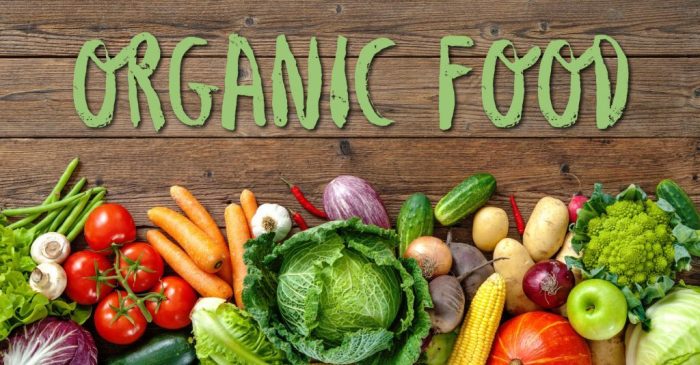
Benefits of Organic Foods for Healthy Eating
Benefits of organic foods for healthy eating – Organic foods are produced without the use of synthetic pesticides, fertilizers, GMOs, or antibiotics. They are grown naturally, following strict guidelines set by organic certifying bodies. This sets them apart from conventional foods that may contain residues of harmful chemicals.
Examples of Popular Organic Foods and Their Nutritional Benefits
- Organic fruits and vegetables: Rich in vitamins, minerals, and antioxidants without the harmful pesticides present in conventional produce.
- Organic dairy products: Free from antibiotics and hormones, providing a cleaner source of protein and calcium.
- Organic whole grains: Higher in fiber and essential nutrients compared to conventionally grown grains.
Importance of Incorporating Organic Foods into a Healthy Diet
Organic foods offer numerous health benefits, including reduced exposure to pesticides, antibiotics, and synthetic hormones. They also support sustainable farming practices that are better for the environment. By choosing organic options, you can enhance the nutritional quality of your diet and contribute to a healthier planet.
Mental Wellness
Consuming organic foods can have a positive impact on mental wellness by providing essential nutrients that support brain health and function. A healthy diet rich in organic foods is linked to improved cognitive function, memory, and overall mental well-being.
Research Findings on Organic Food Consumption and Mental Health
- Studies have shown that organic foods are higher in antioxidants, vitamins, and minerals that are beneficial for brain health.
- Organic foods are free from synthetic pesticides and chemicals that have been linked to cognitive disorders and mental health issues.
- Research suggests that a diet rich in organic fruits, vegetables, and whole grains may reduce the risk of depression and anxiety.
- Consuming organic foods can also lead to better sleep quality, which is essential for overall mental wellness.
Physical Fitness
Organic foods play a crucial role in supporting physical fitness and enhancing athletic performance. These nutrient-dense foods provide essential vitamins, minerals, and antioxidants that contribute to overall well-being and stamina.
Enhanced Energy Levels
Organic foods such as bananas, sweet potatoes, and quinoa are known for their high energy content. These foods contain complex carbohydrates that provide a sustained release of energy, perfect for fueling workouts and improving endurance.
Muscle Recovery
Foods like salmon, lean meats, and Greek yogurt are excellent sources of protein, essential for muscle repair and recovery. Organic options ensure that you are consuming clean, high-quality proteins without the harmful additives often found in non-organic alternatives.
Overall Physical Well-being
Including a variety of organic fruits, vegetables, whole grains, and lean proteins in your diet can help improve overall physical well-being. These foods are rich in nutrients that support immune function, reduce inflammation, and promote optimal performance during physical activities.
Healthy Eating
Eating a balanced and nutritious diet is crucial for overall health and well-being. Organic foods play a significant role in promoting healthy eating habits by providing essential nutrients and reducing exposure to harmful chemicals often found in conventional foods.
Benefits of Organic Foods in Promoting a Balanced and Nutritious Diet
Organic foods are grown without the use of synthetic pesticides, fertilizers, or genetically modified organisms (GMOs). This means that they are free from harmful chemicals that can negatively impact health. By consuming organic fruits, vegetables, grains, and meats, individuals can ensure that they are getting high-quality, nutrient-dense foods that contribute to a well-rounded diet.
- Organic foods are rich in vitamins, minerals, and antioxidants that are essential for maintaining good health.
- Choosing organic options can help reduce the intake of pesticides and toxins that may disrupt the body’s natural functions.
- Organic farming practices prioritize soil health, which leads to higher nutrient content in crops.
Impact of Organic Foods on Weight Management and Digestive Health
Incorporating organic foods into your diet can have a positive impact on weight management and digestive health. Organic foods are often lower in calories and fat compared to their conventional counterparts, making them a great choice for those looking to maintain a healthy weight. Additionally, organic foods are less likely to contain artificial additives and preservatives that can cause digestive issues.
- Organic fruits and vegetables are high in fiber, which aids in digestion and promotes a feeling of fullness.
- Organic meats are often leaner and free from antibiotics and hormones that can disrupt the digestive system.
- Choosing organic whole grains over refined grains can help regulate blood sugar levels and support a healthy digestive tract.
Tips on How to Incorporate Organic Foods into Daily Meal Planning for Optimal Health, Benefits of organic foods for healthy eating
Integrating organic foods into your daily meal planning does not have to be complicated. Here are some practical tips to help you make the most of organic options:
- Start by gradually replacing conventional items with organic alternatives, such as fruits, vegetables, dairy, and grains.
- Shop at local farmers’ markets or organic grocery stores to find a variety of fresh, seasonal organic produce.
- Plan your meals in advance and include a mix of organic proteins, carbohydrates, and fats to ensure a well-rounded diet.
- Experiment with new recipes that feature organic ingredients to keep your meals exciting and flavorful.
Preventive Care
Organic foods play a crucial role in preventive care by helping to ward off chronic diseases and promoting overall health. The nutrients found in organic foods can have a significant impact on reducing the risk of various illnesses.
Antioxidants and Phytonutrients in Organic Foods
Organic foods are rich in antioxidants and phytonutrients, which are essential for preventive care. Antioxidants help to neutralize free radicals in the body, reducing inflammation and oxidative stress that can lead to chronic diseases. Phytonutrients, on the other hand, have protective properties that can help prevent cell damage and support the immune system.
- Antioxidants like vitamin C, vitamin E, and beta-carotene found in organic fruits and vegetables help to boost the immune system and reduce the risk of heart disease and cancer.
- Phytonutrients such as flavonoids and polyphenols found in organic foods like berries, nuts, and leafy greens have anti-inflammatory and antioxidant properties that can reduce the risk of chronic conditions like diabetes and arthritis.
Reducing the Risk of Certain Illnesses
A diet rich in organic foods can significantly reduce the risk of certain illnesses by providing essential nutrients and protective compounds that support overall health and well-being.
- Organic foods can help lower cholesterol levels, blood pressure, and blood sugar, reducing the risk of heart disease, stroke, and diabetes.
- The high fiber content in organic whole grains, fruits, and vegetables can improve digestive health and reduce the risk of gastrointestinal disorders like constipation and diverticulitis.
Balanced Diet
Having a balanced diet is crucial for maintaining overall health and well-being. It involves consuming the right proportions of nutrients to meet the body’s needs.
Components of a Balanced Diet
A balanced diet typically includes a variety of food groups such as fruits, vegetables, whole grains, lean proteins, and healthy fats. These components provide essential vitamins, minerals, and antioxidants that support various bodily functions.
- Organic fruits and vegetables: Organic produce is free from synthetic pesticides and chemicals, making them a healthier choice. They are rich in vitamins, minerals, and antioxidants that help boost the immune system and promote overall health.
- Whole grains: Organic whole grains like quinoa, brown rice, and oats are excellent sources of fiber, which aids in digestion and helps maintain stable blood sugar levels.
- Lean proteins: Organic sources of lean proteins such as grass-fed beef, free-range chicken, and wild-caught fish are low in saturated fats and provide essential amino acids for muscle repair and growth.
- Healthy fats: Organic sources of healthy fats like avocados, nuts, and seeds are rich in omega-3 fatty acids, which support brain function, heart health, and reduce inflammation in the body.
Importance of Organic Foods in a Balanced Diet
Organic foods play a vital role in achieving a well-rounded and diverse diet. They are free from harmful chemicals and pesticides, making them a safer and healthier option for consumption.
- Improved nutrient content: Organic foods are known to have higher levels of vitamins, minerals, and antioxidants compared to conventionally grown produce, providing more nutritional value to the diet.
- Supports sustainable farming practices: Choosing organic foods supports environmentally friendly farming methods that prioritize soil health, biodiversity, and animal welfare, contributing to a healthier planet.
- Reduced exposure to toxins: By consuming organic foods, individuals reduce their exposure to harmful pesticides and chemicals that can have detrimental effects on health in the long run.
Impact of a Balanced Diet on Overall Health
Following a balanced diet that includes organic foods has numerous benefits for overall health and well-being.
- Weight management: A balanced diet helps maintain a healthy weight, reducing the risk of obesity and related chronic diseases such as diabetes, heart disease, and certain types of cancer.
- Improved energy levels: Nutrient-dense organic foods provide sustained energy levels throughout the day, enhancing productivity and overall vitality.
- Enhanced immune function: The vitamins, minerals, and antioxidants present in organic foods support a robust immune system, reducing the risk of infections and illnesses.
Regular Exercise
Regular exercise is a crucial component of a healthy lifestyle, and when combined with organic foods, it can significantly enhance overall fitness levels. The relationship between organic food consumption and exercise performance is multifaceted, impacting endurance, strength, and recovery in various ways.
Enhancing Endurance
Organic foods, rich in nutrients and free from harmful chemicals, provide the body with the necessary fuel to sustain prolonged physical activity. Including organic fruits, vegetables, whole grains, and lean proteins in your diet can improve stamina and endurance levels during workouts.
Boosting Strength
Consuming organic foods that are high in protein, such as organic lean meats, nuts, and seeds, can aid in muscle growth and development. These nutrient-dense foods help in building and repairing muscle tissues, thereby enhancing strength and power output during exercise.
Facilitating Recovery
Organic foods contain essential vitamins, minerals, and antioxidants that support faster recovery post-exercise. Including organic sources of carbohydrates and proteins in your post-workout meals can help replenish glycogen stores, repair muscle damage, and reduce inflammation, promoting quicker recovery and muscle recovery.
Tips for Optimal Fitness Results
- Stay hydrated by drinking plenty of water throughout the day, especially before and after exercise.
- Include a variety of organic foods in your diet to ensure you are getting a broad spectrum of nutrients.
- Plan your meals and snacks around your workout schedule to maximize energy levels and performance.
- Avoid processed foods and sugary drinks, opting for organic alternatives to fuel your body with wholesome ingredients.
Mental Health
Organic foods play a crucial role in supporting mental health and emotional well-being. The connection between gut health, organic foods, and mental wellness is significant, as the gut-brain axis influences mood and cognitive function. Consuming organic foods rich in nutrients can help improve mental health and overall well-being. Here are some examples of organic foods known for their mood-boosting properties:
Organic Foods for Mood-Boosting
- Dark leafy greens like spinach and kale are high in folate, which helps regulate mood.
- Wild-caught salmon is rich in omega-3 fatty acids, which are essential for brain health and can improve mood.
- Blueberries are packed with antioxidants that can help reduce inflammation and improve mood.
- Walnuts contain omega-3 fatty acids and antioxidants that support brain health and may help alleviate symptoms of depression.
- Avocados are a great source of healthy fats and vitamin E, which can support brain health and mood regulation.
Holistic Wellness
Organic foods play a crucial role in promoting holistic wellness by nourishing the body, mind, and spirit. The interconnectedness of physical, mental, and emotional well-being is closely linked to the consumption of organic foods, which are free from harmful chemicals and pesticides.
Benefits of Organic Foods for Holistic Wellness
- Organic foods are rich in essential nutrients that support overall health and well-being.
- Consuming organic foods can reduce the risk of chronic diseases and improve immunity.
- Organic farming practices promote environmental sustainability, which has a positive impact on mental and emotional well-being.
Holistic Wellness Practices Emphasizing Organic Foods
- Include a variety of organic fruits, vegetables, whole grains, and lean proteins in your diet for a balanced nutrient intake.
- Practice mindful eating by savoring each bite and being present in the moment to nourish both the body and mind.
- Engage in regular physical activity to support physical health while also benefiting mental and emotional well-being.
Chronic Diseases
Organic foods can play a vital role in preventing and managing chronic diseases due to their higher nutrient content, absence of harmful chemicals, and overall better quality compared to conventionally grown produce. Research has shown that incorporating organic foods into one’s diet can have a positive impact on various conditions like diabetes, heart disease, and cancer.
Impact on Diabetes
Organic foods, especially fruits and vegetables, are rich in antioxidants, vitamins, and minerals that can help regulate blood sugar levels and improve insulin sensitivity. Studies have indicated that organic produce may have lower pesticide residues, which can be beneficial for individuals with diabetes. Additionally, organic whole grains and lean proteins can also support better blood sugar control.
Impact on Heart Disease
Organic foods such as nuts, seeds, and fatty fish contain heart-healthy omega-3 fatty acids and are free from synthetic additives that can be harmful to cardiovascular health. Incorporating these organic sources of nutrients can help reduce inflammation, lower cholesterol levels, and promote overall heart health.
Impact on Cancer
Certain organic foods like cruciferous vegetables (e.g., broccoli, kale) and berries are known for their cancer-fighting properties. These foods are rich in phytochemicals and antioxidants that can help prevent cell damage and inhibit the growth of cancer cells. Choosing organic options ensures that you are consuming produce free from pesticides and genetically modified organisms (GMOs) that may contribute to cancer development.
Immunity Boosters
Organic foods play a crucial role in boosting the immune system and enhancing overall immunity. The vitamins, minerals, and antioxidants present in organic foods are essential for supporting a healthy immune response.
Role of Vitamins, Minerals, and Antioxidants
Organic foods are rich in vitamins such as vitamin C, vitamin E, and vitamin D, which are known for their immune-boosting properties. Vitamin C, in particular, helps increase the production of white blood cells, which are vital for fighting off infections. Minerals like zinc and selenium also play a key role in supporting the immune system by promoting proper immune cell function.
Additionally, antioxidants found in organic foods, such as beta-carotene, flavonoids, and polyphenols, help reduce inflammation and protect the body from oxidative stress. This, in turn, strengthens the immune system and enhances its ability to combat pathogens.
Examples of Immune-Boosting Organic Foods
- Citrus fruits: Oranges, lemons, and grapefruits are rich in vitamin C, which can help stimulate the production of white blood cells.
- Leafy greens: Spinach, kale, and Swiss chard are packed with antioxidants like vitamin E and beta-carotene, which support immune function.
- Garlic: Known for its antimicrobial properties, garlic can help fight infections and boost immunity.
- Berries: Blueberries, strawberries, and raspberries are loaded with antioxidants that help protect cells from damage and strengthen the immune system.
- Almonds: Rich in vitamin E, almonds can help enhance immune function and combat oxidative stress.
General Inquiries
Are organic foods more nutritious than conventional ones?
Yes, organic foods are often richer in nutrients and antioxidants due to the absence of synthetic chemicals in their production.
Can organic foods help in weight management?
Organic foods can support weight management as they are often lower in pesticides and chemicals that can disrupt the body’s natural processes.
Do organic foods have a significant impact on mental wellness?
Absolutely, organic foods can positively influence mental wellness by providing essential nutrients that support cognitive function and emotional well-being.