Mental Wellness
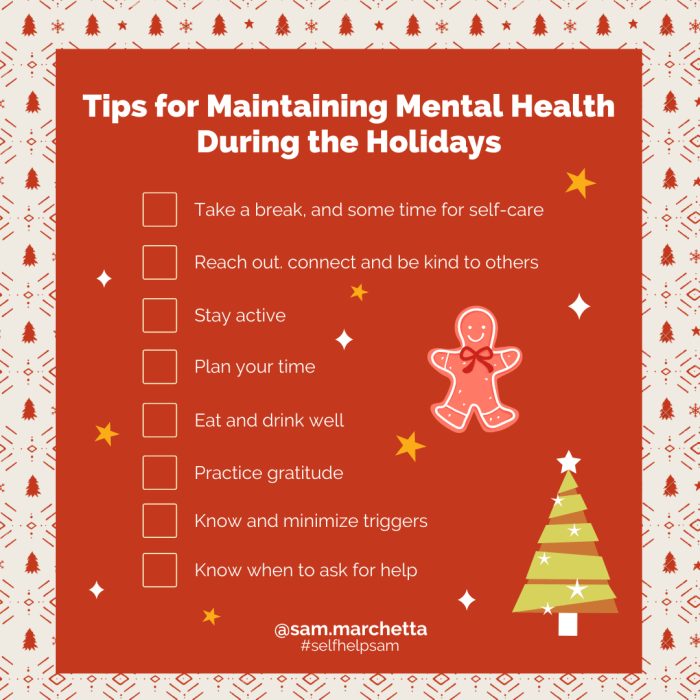
Maintaining mental wellness during the holiday season is crucial for overall well-being. The festive period can bring about a mix of emotions, from joy and excitement to stress and anxiety. It is important to prioritize mental health during this time to ensure a positive and fulfilling experience.
Strategies for Managing Stress and Anxiety
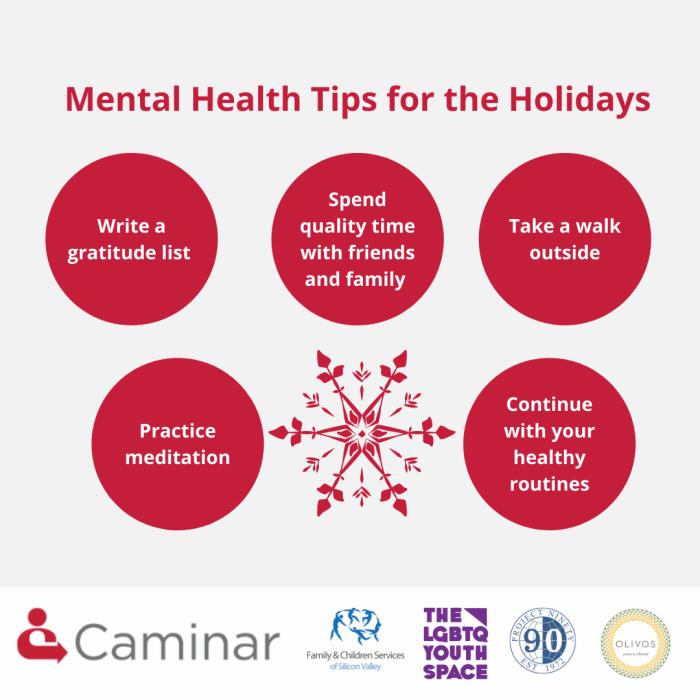
- Practice mindfulness and relaxation techniques, such as deep breathing or meditation, to help calm the mind and reduce stress levels.
- Establish boundaries and learn to say no to commitments that may overwhelm you during the holidays.
- Stay organized by creating to-do lists and prioritizing tasks to avoid feeling overwhelmed.
- Engage in physical activity, such as exercise or going for a walk, to release endorphins and improve mood.
- Connect with loved ones for support and companionship, whether through in-person gatherings or virtual meetups.
Impact of Positive Thinking on Mental Health
Positive thinking plays a significant role in maintaining good mental health. By focusing on the brighter side of situations and practicing gratitude, individuals can improve their overall well-being. Positive thinking can reduce stress, boost self-esteem, and enhance resilience in the face of challenges. Embracing an optimistic outlook can lead to a more fulfilling and joyful holiday season.
Physical Fitness
Maintaining physical fitness during the holidays is crucial for overall well-being. Engaging in regular exercise not only helps you stay in shape but also boosts your mood and reduces stress levels. It can also increase your energy levels and improve your sleep quality.
Benefits of Staying Physically Active
- Enhances mood and reduces stress
- Boosts energy levels and improves sleep quality
- Helps in weight management
- Strengthens immune system
- Improves overall health and well-being
Tips for Incorporating Exercise into a Holiday Routine
- Schedule workouts in advance and treat them as non-negotiable appointments
- Opt for shorter, high-intensity workouts to save time
- Include physical activities in holiday traditions, such as family walks or playing outdoor games
- Try new activities or classes to keep workouts exciting and engaging
- Make use of workout apps or online videos for guided sessions
Types of Physical Activities Suitable for Maintaining Fitness
| Activity | Description |
|---|---|
| Cardiovascular Exercises | Running, cycling, swimming |
| Strength Training | Weightlifting, bodyweight exercises |
| Flexibility and Balance Exercises | Yoga, Pilates, tai chi |
| Group Fitness Classes | Zumba, spin class, boot camp |
Healthy Eating
Strategies for maintaining mental health during holidays – During the holidays, it is crucial to maintain a healthy diet to support both physical and mental well-being. The food we consume can have a significant impact on our mood, energy levels, and overall mental health.
The Significance of Maintaining a Healthy Diet
Eating nutritious foods can help regulate mood, reduce stress, and improve cognitive function. By fueling our bodies with the right nutrients, we can better cope with the demands of the holiday season and maintain a sense of balance.
Healthy Holiday Recipe Ideas
- Roasted Brussels sprouts with cranberries and walnuts
- Quinoa salad with roasted vegetables and a lemon vinaigrette
- Baked salmon with a honey mustard glaze
Impact of Nutrition on Mental Well-being
Research has shown that a diet rich in fruits, vegetables, whole grains, and lean proteins can positively impact mental health. Nutrients like omega-3 fatty acids, vitamins, and minerals play a key role in supporting brain function and emotional well-being.
Preventive Care
Preventive care plays a crucial role in maintaining overall health, especially during the holiday season when stress levels can be high. By taking proactive steps to prevent health issues, individuals can improve their mental wellness and enjoy a more fulfilling holiday experience.
Examples of Preventive Healthcare Practices
- Regular exercise to reduce stress and boost mood.
- Getting enough sleep to support cognitive function and emotional well-being.
- Eating a balanced diet to nourish the body and mind.
- Practicing mindfulness and meditation to manage stress and anxiety.
- Socializing with loved ones to maintain emotional connections and support system.
Contribution to Mental Wellness
Preventive care not only helps in avoiding health issues but also plays a significant role in promoting mental wellness. By taking care of physical health through preventive measures, individuals can reduce the risk of developing conditions that may negatively impact their mental well-being. Additionally, preventive care practices such as exercise, proper nutrition, and stress management techniques can directly enhance mood, reduce anxiety, and improve overall mental health during the holiday season.
Balanced Diet
Maintaining a balanced diet is crucial for promoting mental health and overall well-being. A balanced diet consists of a variety of foods that provide essential nutrients to support brain function and regulate mood.
Components of a Balanced Diet for Mental Health
- Protein: Incorporate lean sources of protein such as poultry, fish, tofu, and legumes to support neurotransmitter function and promote feelings of fullness.
- Complex carbohydrates: Opt for whole grains, fruits, and vegetables to provide a steady release of energy and support serotonin production, which can help regulate mood.
- Healthy fats: Include sources of omega-3 fatty acids like fatty fish, nuts, and seeds to support brain health and reduce inflammation, which can impact mood.
- Vitamins and minerals: Ensure you are consuming a variety of fruits, vegetables, and whole foods to obtain essential nutrients like vitamin D, B vitamins, and magnesium, which are important for mental health.
Tips for Creating Balanced Meals During Festive Celebrations
- Plan ahead: Before attending holiday gatherings, consider bringing a dish that aligns with your dietary preferences and includes a balance of nutrients.
- Fill your plate mindfully: When faced with an array of festive foods, aim to fill half your plate with vegetables, a quarter with lean protein, and a quarter with whole grains or starchy vegetables.
- Stay hydrated: Remember to drink plenty of water throughout the day to support digestion and prevent overeating during celebrations.
- Practice moderation: Indulge in your favorite holiday treats in moderation while also incorporating nutrient-dense options to maintain balance.
Connection Between Diet and Mood
A well-balanced diet plays a significant role in influencing mood and mental health. Nutrient-rich foods provide the necessary building blocks for neurotransmitters, such as serotonin and dopamine, which regulate mood and emotions. Consuming a diet high in processed foods, added sugars, and unhealthy fats can lead to inflammation and imbalances in neurotransmitter levels, potentially contributing to mood swings, anxiety, and depression. By prioritizing a balanced diet rich in whole foods, individuals can support their mental well-being and promote a positive mood.
Regular Exercise
Regular exercise plays a crucial role in maintaining mental health by boosting mood, reducing stress, and improving overall cognitive function. Physical activity releases endorphins, also known as “feel-good” hormones, which can help alleviate symptoms of anxiety and depression.
Effective Workout Routines for the Holiday Season
Staying active during the holiday season can be challenging, but incorporating effective workout routines can make a significant difference. Consider high-intensity interval training (HIIT) for quick, efficient workouts or yoga for a combination of strength and relaxation. Additionally, outdoor activities like hiking or cycling can provide a refreshing change of scenery while keeping you active.
Relationship Between Exercise and Emotional Well-being
Exercise has been linked to improved emotional well-being through various mechanisms. Physical activity can help regulate mood by reducing levels of cortisol, the stress hormone, and increasing levels of neurotransmitters like serotonin, which are associated with feelings of happiness and well-being. Consistent exercise can also enhance self-esteem and confidence, contributing to a more positive outlook on life.
Holistic Wellness
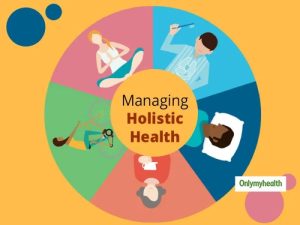
Holistic wellness is a comprehensive approach to health that considers the interconnectedness of the mind, body, and spirit. By addressing all aspects of well-being, holistic wellness aims to achieve optimal health and balance in all areas of life. This approach recognizes that mental health is influenced by physical, emotional, and spiritual factors, and emphasizes the importance of treating the whole person to promote overall wellness.
Practices for Well-being during Holidays
- Practicing mindfulness and meditation to reduce stress and promote relaxation
- Engaging in activities that bring joy and fulfillment, such as spending time with loved ones or pursuing hobbies
- Eating nourishing foods that support mental and physical health, while also indulging in holiday treats in moderation
- Getting regular exercise to boost mood, reduce anxiety, and improve overall well-being
Integration of Mind-Body-Spirit Approaches
Integrating mind-body-spirit approaches involves connecting with oneself on a deeper level and recognizing the interconnectedness of mental, physical, and spiritual well-being. By incorporating practices such as yoga, tai chi, or energy healing, individuals can cultivate a sense of balance and harmony within themselves, leading to improved mental wellness.
Chronic Diseases
Managing chronic diseases is crucial for mental health as these conditions can significantly impact a person’s overall well-being. The stress and challenges of dealing with a chronic illness can take a toll on mental health, leading to feelings of anxiety, depression, and even isolation.
Strategies for Navigating the Holiday Season, Strategies for maintaining mental health during holidays
- Plan Ahead: Make a schedule for activities and prioritize self-care to manage stress.
- Communicate: Inform family and friends about your condition and any limitations you may have during gatherings.
- Set Boundaries: Learn to say no to activities that may exacerbate your condition and prioritize rest.
- Stay Active: Engage in gentle exercises or activities that are suitable for your health condition.
- Seek Support: Connect with support groups or mental health professionals to cope with the emotional challenges.
Relationship Between Chronic Diseases and Mental Well-being
Chronic diseases can have a profound impact on mental well-being, as the stress of managing symptoms, treatments, and lifestyle changes can lead to emotional distress. It is essential for individuals with chronic conditions to prioritize self-care, seek support when needed, and maintain a positive outlook to enhance their mental health despite the challenges they may face.
Immunity Boosters: Strategies For Maintaining Mental Health During Holidays
Immunity plays a crucial role in protecting our body from infections and diseases. During the holidays, it’s especially important to boost our immune system to stay healthy and enjoy the festivities to the fullest.
Natural Ways to Strengthen the Immune System
There are several natural ways to enhance your immune system during the holidays:
- Adequate Sleep: Getting enough rest is essential for a strong immune system. Aim for 7-9 hours of quality sleep each night.
- Stay Hydrated: Drink plenty of water and herbal teas to keep your body hydrated and support immune function.
- Healthy Diet: Consume a variety of fruits, vegetables, whole grains, and lean proteins to provide essential nutrients for immune health.
- Manage Stress: Practice relaxation techniques such as meditation, yoga, or deep breathing to reduce stress levels and support your immune system.
- Regular Exercise: Engage in physical activity to boost circulation and promote immune function.
Immune Health and Mental Well-being
Immune health is closely linked to mental well-being. When your immune system is strong, you are better equipped to handle stress and maintain a positive mood. On the other hand, poor immune function can lead to increased susceptibility to infections and higher levels of inflammation, which can impact mental health negatively. By prioritizing your immune system, you are also investing in your mental well-being during the holidays.
Key Questions Answered
How can I manage stress during the holidays?
Engage in relaxation techniques such as deep breathing exercises, meditation, or spending time in nature to help alleviate stress.
What are some healthy holiday recipe ideas?
Opt for nutritious dishes like roasted vegetables, lean proteins, and fruit-based desserts to maintain a healthy diet during the holidays.
Why is preventive care important for mental wellness?
Preventive care helps in early detection of potential health issues, reducing stress levels and promoting overall well-being.