Mental Wellness
Regular exercise not only boosts physical health but also plays a crucial role in enhancing mental wellness, which in turn can have a positive impact on the immune system. Stress, if left unmanaged, can weaken the immune system, making the body more susceptible to illnesses. Exercise is a powerful tool in stress management, as it helps release endorphins, the body’s natural stress relievers, and reduces the levels of cortisol, the stress hormone.
Activities to Promote Mental Wellness
- Yoga and Meditation: Practicing yoga and meditation can help calm the mind, reduce stress, and improve focus and mental clarity.
- Journaling: Keeping a journal to express thoughts and emotions can be therapeutic and help in processing stress and anxiety.
- Deep Breathing Exercises: Engaging in deep breathing exercises can help relax the body and mind, reducing stress levels and promoting a sense of calm.
- Socializing: Connecting with friends and loved ones, even virtually, can provide emotional support and reduce feelings of isolation and stress.
Physical Fitness
Regular physical fitness plays a crucial role in strengthening the immune system. Engaging in exercise can help improve circulation, reduce inflammation, and promote the production of antibodies and white blood cells, all of which contribute to a more robust immune response.
Effective Exercises for Boosting Immunity
- Cardiovascular exercises like running, cycling, or swimming can help increase blood flow and enhance the function of immune cells.
- Strength training exercises such as weightlifting or bodyweight exercises can improve overall muscle health, which is important for immune function.
- Yoga and Pilates can help reduce stress levels, which in turn can positively impact the immune system.
Consistency and Intensity in Exercise
Consistency is key when it comes to reaping the immune-boosting benefits of exercise. Aim for at least 150 minutes of moderate-intensity exercise per week, or 75 minutes of vigorous-intensity exercise. It’s important to gradually increase the intensity of your workouts to challenge your body and continue to see improvements in your immune system function.
Healthy Eating
Eating a healthy diet plays a crucial role in supporting our immune function. The nutrients we consume from food help to strengthen our immune system, making it more effective in fighting off infections and illnesses.
Immune-Boosting Foods
Including immune-boosting foods in our diet can significantly improve our body’s ability to fight off illnesses. Some key immune-boosting foods to incorporate into a balanced diet include:
- Citrus fruits: Rich in vitamin C, which helps boost the production of white blood cells.
- Berries: Packed with antioxidants that help protect cells from damage.
- Garlic: Contains immune-boosting compounds that can help lower the risk of infections.
- Spinach: High in vitamin C and antioxidants, which can help support the immune system.
- Yogurt: Contains probiotics that support gut health, which is linked to immune function.
Hydration and the Immune System
Proper hydration is essential for supporting the immune system, especially during exercise. Staying hydrated helps to flush out toxins from the body and supports the proper function of immune cells. Dehydration can weaken the immune system, making us more susceptible to infections. It is important to drink an adequate amount of water before, during, and after exercise to maintain overall health and immune function.
Preventive Care
Maintaining overall health and immunity involves more than just regular exercise. Preventive care plays a crucial role in keeping illnesses at bay and boosting your body’s defenses. By taking proactive measures, you can significantly improve your immune system and overall well-being.
Examples of Preventive Measures, How to boost immunity with regular exercise
- Practice good hygiene by washing your hands regularly to prevent the spread of germs.
- Get enough sleep to support your body’s immune function and repair processes.
- Stay hydrated by drinking an adequate amount of water to help flush out toxins and keep your body functioning optimally.
- Include a variety of fruits, vegetables, and whole grains in your diet to provide essential nutrients for a strong immune system.
- Avoid smoking and limit alcohol consumption, as these habits can weaken your immune system over time.
Importance of Regular Check-ups
Regular check-ups and screenings are essential components of preventive care. By scheduling routine visits to your healthcare provider, you can detect potential health issues early on and address them before they escalate. Screenings such as blood tests, mammograms, and colonoscopies can help identify risk factors and allow for timely interventions to maintain your health and immunity.
Balanced Diet: How To Boost Immunity With Regular Exercise
A balanced diet plays a crucial role in supporting a strong immune system. By providing essential nutrients, vitamins, and minerals, a balanced diet helps the body function optimally and fight off infections and diseases more effectively.
Key Nutrients for Immunity
- Vitamin C: Found in citrus fruits, bell peppers, and strawberries, vitamin C is known for its immune-boosting properties and antioxidant effects.
- Vitamin D: Obtained from sunlight, fatty fish, and fortified foods, vitamin D plays a key role in regulating the immune system and reducing inflammation.
- Zinc: Found in meat, seafood, nuts, and seeds, zinc is essential for immune function, wound healing, and DNA synthesis.
- Probiotics: Found in yogurt, kefir, and fermented foods, probiotics help maintain a healthy gut microbiome, which is closely linked to immune health.
- Omega-3 Fatty Acids: Found in fatty fish, flaxseeds, and walnuts, omega-3 fatty acids have anti-inflammatory effects that support immune function.
Impact of Unhealthy Eating Habits
Unhealthy eating habits, such as consuming excessive processed foods, sugary beverages, and saturated fats, can weaken the immune system and hinder exercise performance. These foods lack essential nutrients and can lead to inflammation, oxidative stress, and a compromised immune response. It is important to prioritize whole foods, fruits, vegetables, lean proteins, and whole grains to support overall health and immunity.
Regular Exercise
Regular exercise plays a crucial role in boosting immunity and overall health. By incorporating physical activity into your daily routine, you can strengthen your immune system and reduce the risk of illnesses.
Benefits of Regular Exercise for Boosting Immunity
Regular exercise helps improve circulation, which allows immune cells to move through the body more efficiently. It also reduces inflammation and can help the body flush out toxins, all of which contribute to a stronger immune system.
Optimal Frequency, Duration, and Type of Exercise for Immune System Enhancement
- Frequency: Aim for at least 150 minutes of moderate-intensity exercise per week, spread out over several days. This can include activities like brisk walking, jogging, cycling, or swimming.
- Duration: Each exercise session should last for about 30 minutes to an hour to reap the full immune-boosting benefits.
- Type of Exercise: A combination of cardiovascular exercises, strength training, and flexibility exercises can help enhance different aspects of your immune system.
Tips for Incorporating Exercise into Daily Routines for Maximum Immune-Boosting Effects
- Schedule your workouts: Set aside specific time slots each day for exercise to ensure consistency.
- Choose activities you enjoy: Find physical activities that you genuinely like to increase the likelihood of sticking to your exercise routine.
- Include movement throughout the day: Take short breaks to stretch or walk around, especially if you have a sedentary job.
- Workout with a friend: Exercising with a partner can provide motivation and make the experience more enjoyable.
- Stay hydrated and nourished: Drink plenty of water and eat a balanced diet to support your body’s immune function during and after exercise.
Mental Health
Mental health plays a crucial role in our overall well-being, including our immune system. The relationship between mental health and immunity is closely interconnected, as stress, anxiety, and other mental health issues can weaken the immune response.
Regular exercise can have a positive impact on mental health by reducing stress levels, improving mood, and boosting self-esteem. This, in turn, can strengthen immunity and help the body fight off infections more effectively.
Mental Health Exercises to Support Immunity
- Practicing mindfulness and meditation: These techniques can help reduce stress and anxiety, promoting a sense of calmness and overall well-being.
- Engaging in physical activities you enjoy: Whether it’s yoga, dancing, or hiking, finding activities that bring you joy can improve mental health and boost immunity.
- Connecting with others: Social interactions and strong relationships are essential for mental health and can enhance immune function.
- Getting enough sleep: Prioritizing sleep and establishing a bedtime routine can improve mental clarity, mood, and immune system function.
- Seeking professional help when needed: If you’re struggling with mental health issues, don’t hesitate to reach out to a therapist or counselor for support and guidance.
Holistic Wellness
Holistic wellness encompasses the integration of various aspects of health, including physical, mental, emotional, and spiritual well-being, to achieve overall balance and vitality. It plays a crucial role in enhancing immunity by addressing the body as a whole system rather than focusing on individual parts.
Benefits of Holistic Approaches in Boosting Immunity
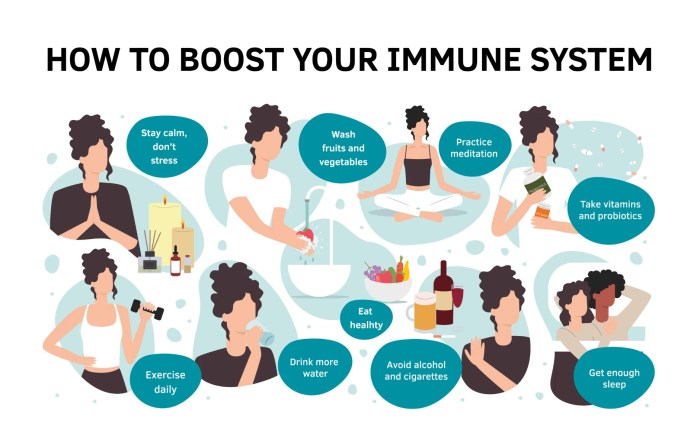
Holistic approaches, such as regular exercise, proper nutrition, stress management, and adequate sleep, work synergistically to strengthen the immune system on multiple levels. These practices not only improve physical fitness but also support mental health, reduce inflammation, and enhance overall well-being, leading to a stronger immune response.
- Regular Exercise: Physical activity promotes circulation, reduces stress hormones, and boosts the production of antibodies and white blood cells, which are essential for fighting off infections.
- Healthy Diet: Nutrient-rich foods provide the necessary vitamins, minerals, and antioxidants that support immune function and reduce inflammation in the body.
- Mindfulness and Stress Reduction: Practices like meditation, yoga, and deep breathing techniques can lower stress levels, improve sleep quality, and enhance immune function.
- Quality Sleep: Adequate rest is crucial for immune health as it allows the body to repair and regenerate cells, strengthen immune defenses, and reduce the risk of infections.
- Herbal Remedies and Supplements: Certain herbs and supplements, like echinacea, elderberry, and vitamin C, can help boost immunity and support overall health when used in conjunction with other holistic practices.
Chronic Diseases
Chronic diseases can have a significant impact on the immune system, making individuals more susceptible to infections and illnesses. Conditions such as diabetes, heart disease, and autoimmune disorders can weaken the body’s defense mechanisms, leading to a compromised immune response.
Exercise as a Management Tool
Regular exercise has been shown to be beneficial in managing and even preventing chronic conditions that can weaken immunity. Physical activity helps improve cardiovascular health, regulate blood sugar levels, and reduce inflammation, all of which can contribute to a stronger immune system. Exercise also plays a role in maintaining a healthy weight, which is crucial in managing conditions like diabetes and heart disease.
- Engaging in aerobic exercises like walking, running, or cycling can help improve cardiovascular health and reduce the risk of heart disease.
- Strength training exercises can help increase muscle mass and improve insulin sensitivity, which is essential for managing conditions like diabetes.
- Yoga and stretching exercises can help reduce stress levels and promote relaxation, which is beneficial for individuals with autoimmune disorders.
It is important to consult with a healthcare provider before starting any exercise routine, especially for individuals with chronic diseases.
Lifestyle Changes for Improved Immunity
Incorporating regular exercise into a daily routine is just one aspect of lifestyle changes that can improve immunity in individuals with chronic diseases. Making healthy choices in terms of diet, getting enough sleep, managing stress, and avoiding harmful habits like smoking can all contribute to a stronger immune system.
- Eating a balanced diet rich in fruits, vegetables, whole grains, and lean proteins can provide essential nutrients that support immune function.
- Getting at least 7-8 hours of quality sleep each night is crucial for allowing the body to rest and repair, which is essential for overall health and immunity.
- Practicing stress-reducing activities like meditation, deep breathing, or mindfulness can help lower cortisol levels and reduce inflammation in the body.
Immunity Boosters
Regular exercise is just one piece of the puzzle when it comes to boosting immunity. There are various natural immunity boosters that can help strengthen your body’s defenses against illnesses and infections. Let’s explore some of these immunity-boosting strategies and discuss the importance of a holistic approach to enhancing immunity.
Vitamin C
- One of the most well-known immunity boosters is Vitamin C, found in fruits like oranges, strawberries, and kiwi.
- Vitamin C helps stimulate the production of white blood cells, which are key to fighting off infections.
- It also acts as an antioxidant, protecting cells from damage and reducing the risk of chronic diseases.
Probiotics
- Probiotics are beneficial bacteria that support gut health and enhance the immune system.
- You can find probiotics in fermented foods like yogurt, kimchi, and sauerkraut.
- By maintaining a healthy balance of gut bacteria, probiotics help prevent harmful pathogens from taking over and causing illness.
Zinc
- Zinc is a mineral that plays a crucial role in immune function and wound healing.
- It can be found in foods like meat, nuts, seeds, and legumes.
- Zinc helps regulate immune responses and supports the body’s ability to fight off infections.
Garlic
- Garlic is known for its antimicrobial and immune-boosting properties.
- It contains compounds like allicin, which have been shown to enhance immune function.
- Incorporating garlic into your diet can help reduce the severity and duration of colds and flu.
FAQ Guide
How to boost immunity with regular exercise – Can exercise alone boost immunity effectively?
While exercise plays a crucial role in enhancing immunity, it is most effective when combined with a balanced diet, proper hydration, and sufficient rest.
How often should I exercise to boost my immune system?
Consistency is key. Aim for at least 150 minutes of moderate-intensity exercise per week, spread out over several days, to reap the immune-boosting benefits.
Are there specific exercises that are better for immunity?
Aerobic exercises like brisk walking, jogging, or cycling, as well as strength training, have been shown to have positive effects on the immune system.