Mental Wellness
Maintaining good mental wellness is crucial when managing chronic disease flare-ups. It can help reduce stress, anxiety, and depression, ultimately improving overall quality of life. Here are some strategies to help you prioritize your mental well-being during difficult times.
Practice Mindfulness
- Engage in deep breathing exercises to calm your mind and body.
- Try meditation to increase self-awareness and focus on the present moment.
- Practice yoga or tai chi to promote relaxation and reduce stress levels.
Stay Connected
- Reach out to friends and family for support and companionship.
- Join a support group to connect with others who understand what you’re going through.
- Consider talking to a therapist or counselor for professional guidance and coping strategies.
Engage in Activities You Enjoy
- Pursue hobbies or interests that bring you joy and fulfillment.
- Take time for self-care activities like reading, listening to music, or spending time in nature.
- Stay physically active to boost your mood and improve overall well-being.
Physical Fitness
Regular physical fitness plays a crucial role in managing chronic disease flare-ups. Staying active can help improve overall health, reduce inflammation, boost mood, and enhance quality of life for individuals dealing with chronic illnesses. Even low-impact exercises can make a significant difference in managing symptoms and flare-ups.
Low-Impact Exercises for Chronic Disease Flare-Ups
- Walking: A gentle walk can help improve circulation, reduce stress, and increase energy levels.
- Yoga: Practicing yoga can help improve flexibility, strength, and balance, while also promoting relaxation and stress relief.
- Swimming: Swimming is a great low-impact exercise that can strengthen muscles, improve cardiovascular health, and reduce joint pain.
- Cycling: Riding a stationary bike or cycling outdoors can be a great way to improve cardiovascular fitness and strengthen leg muscles without putting too much strain on the joints.
Benefits of Staying Active Despite Chronic Illness Challenges
- Improved overall health and well-being
- Reduced inflammation and pain
- Enhanced mood and mental well-being
- Increased energy levels
- Better management of symptoms and flare-ups
Healthy Eating
How to deal with chronic disease flare-ups – When dealing with chronic disease flare-ups, maintaining healthy eating habits is crucial for managing symptoms and improving overall quality of life.
Significance of Nutrient-Rich Foods
Eating nutrient-rich foods can help reduce inflammation in the body, which is often a key factor in chronic diseases. Foods high in antioxidants, vitamins, and minerals can help boost the immune system and support the body’s natural healing processes.
- Leafy greens like spinach, kale, and Swiss chard are rich in vitamins A, C, and K, as well as antioxidants that help reduce inflammation.
- Fatty fish such as salmon, mackerel, and sardines are high in omega-3 fatty acids, which have anti-inflammatory properties and can help improve heart health.
- Berries like blueberries, strawberries, and raspberries are packed with antioxidants that can help reduce oxidative stress and inflammation in the body.
Impact of Diet on Symptoms and Quality of Life
The foods we eat have a direct impact on our symptoms and overall well-being when managing a chronic disease. A diet rich in whole foods, lean proteins, healthy fats, and fiber can help regulate blood sugar levels, reduce inflammation, and improve energy levels.
- Whole grains like quinoa, brown rice, and oats provide fiber and essential nutrients that can help stabilize blood sugar levels and promote digestive health.
- Nuts and seeds like almonds, walnuts, and chia seeds are rich in healthy fats, protein, and antioxidants that support brain health and reduce inflammation.
- Colorful vegetables such as bell peppers, carrots, and tomatoes are packed with vitamins, minerals, and phytonutrients that can help boost the immune system and reduce inflammation.
Preventive Care
Preventive care plays a crucial role in managing chronic diseases and minimizing the risk of flare-ups. By taking proactive measures, individuals can enhance their overall quality of life and reduce the frequency and severity of symptom exacerbations.
Scheduling Regular Check-ups and Screenings
Regular check-ups and screenings are essential for monitoring chronic conditions and detecting any changes early on. By staying on top of appointments with healthcare providers, individuals can address any potential issues before they escalate. This proactive approach can help in preventing flare-ups and maintaining stability in managing chronic diseases.
Role of Early Intervention
Early intervention is key in preventing the exacerbation of symptoms associated with chronic diseases. By addressing any changes or concerns promptly, individuals can work with their healthcare team to adjust treatment plans or implement lifestyle modifications. This proactive approach can help in minimizing the impact of flare-ups and maintaining overall health and well-being.
Balanced Diet
A balanced diet is essential for managing chronic diseases as it provides the necessary nutrients to support overall health and well-being. By incorporating a variety of foods from different food groups, individuals can ensure they are receiving the right combination of vitamins, minerals, and macronutrients to help manage their condition effectively.
Importance of Nutrient Variety
A balanced diet should include a mix of fruits, vegetables, whole grains, lean proteins, and healthy fats. Each of these food groups provides essential nutrients that play a key role in supporting the immune system, reducing inflammation, and improving overall health. For example, antioxidants found in fruits and vegetables can help reduce oxidative stress in the body, while omega-3 fatty acids in fish can have anti-inflammatory effects.
- Breakfast: Greek yogurt with mixed berries and a sprinkle of chia seeds
- Lunch: Quinoa salad with grilled chicken, mixed greens, cherry tomatoes, and avocado
- Dinner: Baked salmon with roasted sweet potatoes and steamed broccoli
A well-rounded diet can help regulate blood sugar levels, improve digestion, and enhance energy levels, which are all crucial for managing chronic disease flare-ups.
Regular Exercise
Regular exercise plays a crucial role in managing chronic diseases by improving overall health and well-being. It can help reduce symptoms, increase energy levels, and improve quality of life for individuals dealing with chronic conditions.
Benefits of Regular Exercise
- Improved cardiovascular health and circulation
- Strengthens muscles and bones
- Enhanced mood and mental well-being
- Weight management and better sleep
Designing a Customized Exercise Plan, How to deal with chronic disease flare-ups
It is essential to consult with a healthcare provider or a fitness professional before starting any exercise regimen, especially for individuals with chronic diseases.
Considerations for designing a customized exercise plan include:
- Identifying individual needs, goals, and limitations
- Choosing low-impact and gentle exercises
- Setting realistic and achievable goals
- Gradually increasing intensity and duration
Low-Impact Exercises for Flare-Ups
During flare-ups of chronic diseases, it is important to choose exercises that are gentle on the body. Here are some examples of low-impact exercises that can be beneficial:
- Yoga or Tai Chi for flexibility and stress relief
- Walking or swimming for cardiovascular health
- Resistance band exercises for strength training
- Cycling or stationary biking for joint mobility
Mental Health
Living with a chronic disease can take a toll on one’s mental health, especially during flare-ups. The stress, anxiety, and uncertainty that come with managing a chronic illness can significantly impact a person’s emotional well-being.
The connection between mental health and chronic disease management during flare-ups is crucial. Stress and anxiety can exacerbate symptoms and make it harder for individuals to cope with their condition effectively. Therefore, addressing mental health is essential for overall well-being and improved management of chronic diseases.
Coping Mechanisms for Emotional Impact
- Practice Mindfulness: Engaging in mindfulness activities such as meditation or deep breathing can help reduce stress and promote relaxation during flare-ups.
- Stay Connected: Reach out to friends, family, or support groups for emotional support and understanding. Sharing your feelings with others can alleviate the burden of managing a chronic illness alone.
- Engage in Hobbies: Distract yourself from negative thoughts and emotions by participating in activities you enjoy. Hobbies can provide a sense of purpose and fulfillment, boosting your mood during challenging times.
- Seek Therapy: Consider talking to a mental health professional to address any overwhelming emotions or concerns related to your chronic illness. Therapy can provide coping strategies and support tailored to your specific needs.
Importance of Seeking Professional Support
- Professional support is essential for individuals living with chronic diseases, especially during flare-ups when emotional distress is heightened. Therapists, counselors, or psychologists can offer guidance and tools to manage stress, anxiety, and other mental health challenges effectively.
- Seeking professional help does not indicate weakness but rather a proactive approach to prioritizing mental well-being. It is crucial to recognize when additional support is needed and reach out for assistance without hesitation.
- Therapists can provide a safe space for individuals to express their feelings, fears, and frustrations about living with a chronic illness. Through therapy, individuals can develop coping mechanisms, enhance resilience, and improve their overall quality of life.
Holistic Wellness
Holistic wellness focuses on treating the whole person, addressing mental, emotional, and physical aspects to achieve overall well-being. This approach is essential in managing chronic diseases as it considers all aspects of an individual’s health.
Complementary Therapies
Complementary therapies can enhance traditional medical treatments by providing additional support and promoting healing. Examples include acupuncture, massage therapy, yoga, meditation, and aromatherapy. These therapies can help reduce stress, alleviate pain, improve circulation, and enhance overall quality of life for individuals with chronic diseases.
Addressing Mental, Emotional, and Physical Aspects
Addressing mental, emotional, and physical aspects contributes to overall well-being by promoting balance and harmony within the body. Mental health practices like mindfulness and cognitive-behavioral therapy can help manage stress and anxiety, while physical activities such as exercise and proper nutrition support physical health. Embracing a holistic approach to wellness ensures that individuals with chronic diseases receive comprehensive care that addresses all aspects of their health.
Chronic Diseases
Chronic diseases are long-lasting conditions that require ongoing management and care. Some common chronic diseases that may experience flare-ups include diabetes, asthma, arthritis, heart disease, and autoimmune disorders.
Overview of Common Chronic Diseases
- Diabetes: A condition that affects blood sugar levels and can lead to serious complications if not managed properly.
- Asthma: A respiratory condition that causes difficulty breathing and can be triggered by various factors.
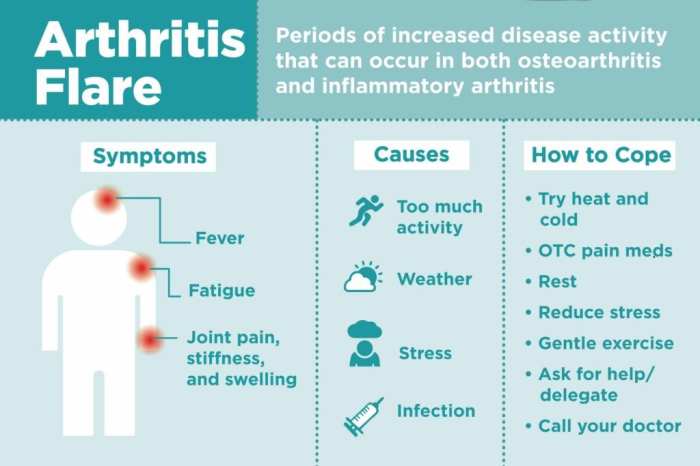
- Arthritis: A joint disorder that causes pain, stiffness, and swelling, impacting mobility and quality of life.
- Heart Disease: A range of conditions that affect the heart’s function, leading to increased risk of heart attacks and strokes.
- Autoimmune Disorders: Conditions where the immune system mistakenly attacks the body’s own tissues, causing inflammation and damage.
Challenges in Managing Chronic Conditions during Flare-ups
- Increased Symptoms: Flare-ups can result in intensified symptoms, making daily activities more challenging.
- Emotional Impact: Dealing with chronic flare-ups can take a toll on mental health, leading to feelings of frustration, anxiety, and depression.
- Disruption of Routine: Flare-ups can disrupt daily routines, affecting work, social life, and overall well-being.
Importance of Self-Care and Self-Advocacy
- Self-Care Practices: Engaging in self-care activities such as stress management, relaxation techniques, and proper medication adherence can help individuals cope with flare-ups.
- Self-Advocacy: Advocating for oneself in healthcare settings, communicating effectively with healthcare providers, and being proactive in managing one’s health are crucial in dealing with chronic illnesses.
- Support Systems: Building a strong support network of family, friends, and healthcare professionals can provide emotional support and practical assistance during flare-ups.
Immunity Boosters
Immunity boosters play a crucial role in supporting the body’s defense mechanisms during flare-ups of chronic diseases. By strengthening the immune system, individuals can better manage symptoms and reduce the frequency of flare-ups.
Natural Ways to Strengthen Immune System
- Include immune-boosting foods in your diet, such as fruits, vegetables, nuts, seeds, and probiotics.
- Stay hydrated by drinking plenty of water throughout the day to help flush out toxins and keep your immune system functioning optimally.
- Get an adequate amount of sleep each night to allow your body to rest and recharge, which is essential for a strong immune system.
- Engage in regular physical activity to boost circulation and promote overall health, which can enhance immune function.
Impact of Strong Immune System
A strong immune system can significantly impact the management of chronic disease flare-ups by reducing inflammation, fighting off infections, and promoting overall wellness. By incorporating lifestyle choices that support immune health, individuals can experience fewer and less severe flare-ups, leading to improved quality of life.
FAQ Guide: How To Deal With Chronic Disease Flare-ups
How can mindfulness techniques help during chronic disease flare-ups?
Mindfulness techniques can help individuals cope with stress and anxiety, promoting a sense of calmness and emotional well-being during flare-ups.
What are some low-impact exercises suitable for individuals experiencing flare-ups?
Low-impact exercises like gentle yoga, swimming, or walking can help individuals stay active without exacerbating symptoms during flare-ups.
How does a balanced diet contribute to managing chronic diseases?
A balanced diet rich in nutrients can help reduce inflammation, boost energy levels, and support overall health, aiding in symptom management for chronic conditions.
Why is preventive care important in minimizing the risk of flare-ups?
Preventive care measures such as regular check-ups and screenings can help individuals monitor their chronic conditions and address any issues early on, reducing the likelihood of flare-ups.