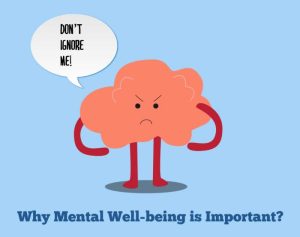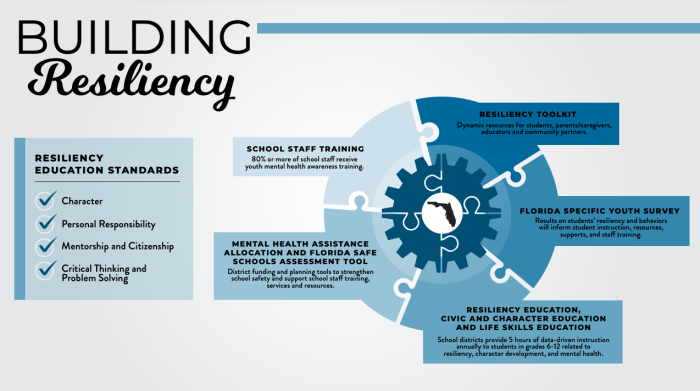
How to build resilience and improve mental health is a journey that involves understanding your own mind and body, developing healthy habits, and cultivating a positive mindset. This journey can be empowering, leading you to a life filled with greater strength, well-being, and purpose.
Resilience is not about being invincible, but rather about the ability to bounce back from adversity, adapt to change, and thrive even in challenging circumstances. It’s a skill that can be learned and strengthened over time, ultimately contributing to a more fulfilling and resilient life.
Understanding Resilience and Mental Health
Resilience is the ability to adapt well to adversity, trauma, tragedy, threats, or significant sources of stress. It is the capacity to bounce back from difficult experiences and maintain a positive outlook. Resilience is not about being strong or never experiencing hardship; it’s about how you cope with challenges and emerge stronger.Resilience is deeply intertwined with mental health.
It acts as a protective factor against mental health issues and promotes overall well-being. Individuals with high resilience are better equipped to handle stress, overcome obstacles, and maintain a positive mental state.
Factors Contributing to Resilience
Resilience is not an innate trait but rather a skill that can be developed over time. Several factors contribute to building resilience, including:
- Positive Self-Belief:Having a positive self-image and a belief in your own abilities is crucial for resilience. It empowers you to face challenges with confidence and determination.
- Strong Social Support Network:Having supportive friends, family, or community members who offer encouragement and understanding can significantly bolster resilience.
- Effective Coping Mechanisms:Developing healthy coping strategies for dealing with stress and adversity is essential for building resilience. These could include exercise, mindfulness, relaxation techniques, or seeking professional help.
- Problem-Solving Skills:The ability to identify problems, analyze situations, and develop solutions is crucial for navigating challenges effectively and building resilience.
- Adaptability and Flexibility:Being able to adjust to changing circumstances and embrace new perspectives is key to maintaining resilience.
Developing Healthy Habits for Mental Well-being
Developing healthy habits is crucial for improving mental health. It involves making conscious choices that positively impact your well-being. By adopting a holistic approach that encompasses physical, emotional, and mental aspects, you can create a foundation for resilience and improved mental health.
The Role of Physical Fitness in Mental Health
Physical fitness plays a vital role in improving mental health. Exercise releases endorphins, which have mood-boosting effects. Regular physical activity can help reduce stress, anxiety, and depression.
Examples of Exercise Routines
Here are some examples of regular exercise routines that promote mental well-being:
- Cardiovascular Exercise:Activities like running, swimming, cycling, or dancing elevate your heart rate and improve blood circulation, promoting mental clarity and reducing stress.
- Strength Training:Weightlifting, resistance bands, or bodyweight exercises can boost muscle mass and improve body composition, leading to increased self-esteem and a sense of accomplishment.
- Yoga and Pilates:These practices combine physical movement with mindfulness, promoting flexibility, balance, and stress reduction.
- Outdoor Activities:Spending time in nature, such as hiking, gardening, or simply taking a walk in a park, can have a calming and restorative effect on your mental health.
The Importance of a Balanced Diet
A balanced diet is essential for maintaining good mental health. Certain foods provide nutrients that support brain function and emotional well-being.
Tips for Incorporating Healthy Eating Habits
Here are some tips for incorporating healthy eating habits into your daily life:
- Eat a variety of fruits, vegetables, and whole grains:These foods are rich in vitamins, minerals, and fiber, which are essential for brain health.
- Choose lean protein sources:Fish, poultry, beans, and tofu provide protein and omega-3 fatty acids, which support brain function and mood regulation.
- Limit processed foods, sugary drinks, and saturated fats:These foods can contribute to inflammation and negatively impact mental health.
- Stay hydrated:Drinking plenty of water is crucial for overall health and cognitive function.
- Practice mindful eating:Pay attention to your food choices and savor each bite. Avoid distractions while eating.
Benefits of Preventive Care for Mental Health
Preventive care for mental health involves taking proactive steps to maintain and improve your well-being. This includes regular check-ups with a mental health professional, practicing stress management techniques, and seeking support when needed.
Managing Stress and Anxiety Through Healthy Habits
Managing stress and anxiety is crucial for mental well-being. Healthy habits can help you cope with these challenges:
- Regular Exercise:Physical activity releases endorphins, which have mood-boosting effects and can help reduce stress and anxiety.
- Mindfulness and Meditation:These practices can help you become more aware of your thoughts and feelings, allowing you to manage stress and anxiety more effectively.
- Getting Enough Sleep:Adequate sleep is essential for mental health. Aim for 7-8 hours of quality sleep per night.
- Social Connections:Maintaining strong social connections can provide support and reduce feelings of isolation, which can contribute to stress and anxiety.
- Time Management:Effective time management can help you prioritize tasks and reduce feelings of overwhelm.
Cultivating Positive Mindset and Emotional Regulation
A positive mindset and emotional regulation are essential for mental well-being. They allow you to navigate challenges, build resilience, and live a fulfilling life. By cultivating these skills, you can shift your perspective, manage stress, and foster a sense of inner peace.
Positive Self-Talk, How to build resilience and improve mental health
Positive self-talk is a powerful tool for improving mental health. It involves replacing negative thoughts with positive and encouraging ones. When you engage in positive self-talk, you challenge self-defeating beliefs and build confidence.
- Identify negative thoughts:Pay attention to the thoughts that run through your mind, especially those that are critical or judgmental.
- Challenge negative thoughts:Question the validity of these thoughts. Ask yourself if they are based on facts or emotions.
- Replace negative thoughts with positive ones:Focus on your strengths, accomplishments, and positive qualities.
For example, instead of thinking, “I’m not good enough,” you can replace it with, “I am capable and deserving of success.”
Mindfulness and Meditation
Mindfulness and meditation are practices that help you become more aware of your thoughts, feelings, and sensations in the present moment. They promote relaxation, reduce stress, and enhance emotional regulation.
- Mindfulness:Involves paying attention to your thoughts, feelings, and sensations without judgment. You can practice mindfulness by focusing on your breath, observing your surroundings, or engaging in activities like walking or eating with full awareness.
- Meditation:Involves focusing your attention on a single point, such as your breath or a mantra. Regular meditation can help calm the mind, reduce anxiety, and improve focus.
There are many guided meditations available online and through apps, making it easier to begin practicing.
Gratitude
Gratitude is the practice of appreciating the good things in your life. It has been shown to improve mental well-being, increase happiness, and foster a more positive outlook.
- Keep a gratitude journal:Write down things you are grateful for each day, no matter how small they may seem.
- Express gratitude to others:Thank people for their kindness, support, and contributions to your life.
- Focus on the positive:Make a conscious effort to notice and appreciate the good things in your life, even during challenging times.
Gratitude can help shift your focus from what you lack to what you have, promoting a more positive and fulfilling perspective.
Managing Negative Emotions
Negative emotions are a natural part of life. However, it’s important to develop healthy coping mechanisms to manage them effectively.
- Identify your triggers:Recognize the situations, thoughts, or feelings that typically lead to negative emotions.
- Practice self-compassion:Treat yourself with kindness and understanding, especially when you’re struggling.
- Seek support:Talk to a trusted friend, family member, therapist, or support group.
- Engage in healthy coping mechanisms:Exercise, spend time in nature, listen to music, or pursue hobbies that bring you joy.
Remember that managing negative emotions is an ongoing process. It requires patience, self-awareness, and a willingness to try different strategies.
Building Supportive Relationships and Social Connections: How To Build Resilience And Improve Mental Health
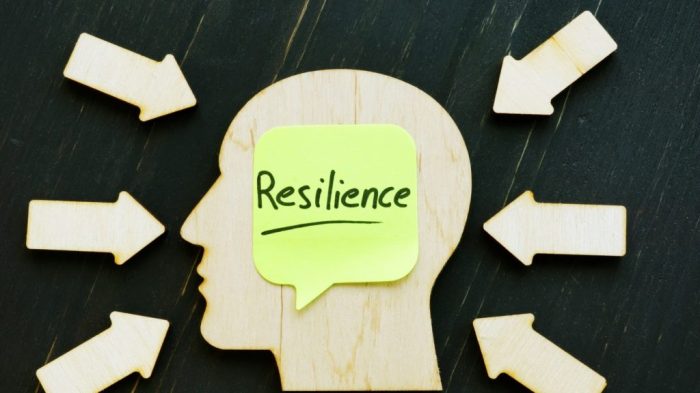
Strong social connections are a cornerstone of mental well-being. They provide a sense of belonging, support, and purpose, which can buffer against stress and promote resilience.
The Importance of Social Support in Mental Health
Social support acts as a protective factor against mental health issues. It provides individuals with a sense of belonging, love, and acceptance, which can contribute to a positive self-image and emotional well-being. Research consistently demonstrates that people with strong social networks tend to have better mental health outcomes.
For example, a study published in the Journal of Personality and Social Psychology found that individuals with strong social support networks were less likely to experience depression and anxiety.
Cultivating Healthy Relationships with Friends and Family
Nurturing relationships with friends and family is essential for building resilience. Here are some tips for cultivating healthy relationships:
- Communicate Openly and Honestly:Express your thoughts and feelings, and listen actively to others.
- Spend Quality Time Together:Make time for meaningful interactions, whether it’s sharing a meal, going for a walk, or simply talking.
- Show Appreciation:Express gratitude for the people in your life and let them know how much they mean to you.
- Respect Boundaries:Recognize and respect the boundaries of others, and communicate your own boundaries clearly.
- Practice Forgiveness:Holding onto anger and resentment can be detrimental to relationships. Learn to forgive others, including yourself.
Joining Support Groups or Communities
Support groups provide a safe and non-judgmental space for individuals to connect with others who share similar experiences. Joining a support group can provide:
- Emotional Support:Sharing your experiences with others who understand can provide a sense of validation and reduce feelings of isolation.
- Practical Advice:Support groups often offer practical tips and strategies for coping with challenges.
- A Sense of Belonging:Connecting with others who share similar experiences can foster a sense of community and belonging.
Strategies for Building Strong Social Connections
Building strong social connections requires effort and intentionality. Here are some strategies:
- Get Involved in Activities You Enjoy:Join clubs, volunteer organizations, or take classes that align with your interests.
- Be Open to Meeting New People:Engage in conversations with people you meet, and don’t be afraid to step outside your comfort zone.
- Be a Good Listener:Show genuine interest in others, and actively listen to what they have to say.
- Offer Help and Support:Be there for others when they need you, and offer support in ways that are meaningful to them.
- Practice Gratitude:Expressing gratitude for the people in your life can strengthen your relationships.
Seeking Professional Help and Support
Seeking professional help for mental health is not a sign of weakness but a sign of strength and self-care. Just as we seek medical help for physical ailments, addressing mental health concerns with a qualified professional can significantly improve our well-being.
Types of Mental Health Professionals
Mental health professionals offer a wide range of expertise and support to individuals facing various mental health challenges.
- Psychologists: They are trained to diagnose and treat mental health conditions through therapy and counseling. They use various evidence-based approaches, including cognitive-behavioral therapy (CBT), psychodynamic therapy, and interpersonal therapy.
- Psychiatrists: They are medical doctors specializing in mental health. They can diagnose and treat mental health conditions through medication, therapy, or a combination of both. They can also provide consultation and referral services.
- Licensed Clinical Social Workers (LCSWs): They provide therapy and counseling services, focusing on social and environmental factors impacting mental health. They often work with individuals, families, and communities to address social and emotional issues.
- Licensed Marriage and Family Therapists (LMFTs): They specialize in providing therapy to couples and families facing relationship challenges and mental health concerns. They work to improve communication, resolve conflicts, and strengthen relationships.
- Mental Health Counselors: They provide counseling and support to individuals facing various mental health challenges. They may use different therapeutic approaches, including CBT, solution-focused therapy, and motivational interviewing.
Finding a Qualified Therapist or Counselor
Finding the right therapist or counselor is crucial for effective treatment.
- Start with a Referral: Ask your primary care physician, friends, family, or trusted professionals for recommendations. They might have personal experience or knowledge of qualified mental health providers in your area.
- Use Online Resources: Websites like Psychology Today, GoodTherapy, and the American Psychological Association (APA) provide directories of mental health professionals. You can search for therapists based on specialization, location, and insurance coverage.
- Check Credentials and Experience: Ensure the therapist or counselor is licensed and has the necessary training and experience to address your specific needs. You can verify their credentials through state licensing boards or professional organizations.
- Schedule a Consultation: Most therapists offer a free or low-cost consultation to discuss your needs and determine if they are a good fit. This allows you to ask questions, discuss their approach, and assess their communication style.
- Trust Your Gut: Ultimately, the most important factor is finding a therapist you feel comfortable and safe with. If you don’t feel a connection, don’t hesitate to seek another professional.
Resources and Information about Mental Health Services
Numerous resources provide information and support for mental health services.
- National Alliance on Mental Illness (NAMI): NAMI is a national organization dedicated to supporting individuals and families affected by mental illness. They offer support groups, educational resources, and advocacy services.
- MentalHealth.gov: This website, run by the Substance Abuse and Mental Health Services Administration (SAMHSA), provides comprehensive information on mental health conditions, treatment options, and resources.
- Crisis Text Line: This free, 24/7 text line provides support and crisis intervention to individuals experiencing mental health challenges. Text HOME to 741741.
- The Jed Foundation: This organization focuses on preventing suicide and promoting mental health among young adults. They provide resources, programs, and training to schools and communities.
Holistic Wellness and Mental Health
Holistic wellness emphasizes a comprehensive approach to well-being, recognizing that mental health is intricately linked to various aspects of our lives. This approach acknowledges that our physical, emotional, social, and spiritual dimensions are interconnected and influence our overall well-being. By nurturing each of these areas, we can cultivate resilience and enhance our mental health.
Importance of Integrating Different Dimensions of Well-being
A holistic approach to wellness recognizes the interconnectedness of our physical, emotional, social, and spiritual dimensions. Neglecting any one of these areas can negatively impact our mental health. For instance, chronic stress can manifest physically through headaches, digestive issues, or sleep disturbances.
Similarly, social isolation can contribute to feelings of loneliness and depression. Conversely, engaging in activities that promote physical well-being, such as exercise and healthy eating, can positively influence our mood and emotional stability.
Holistic Practices for Mental Health
Holistic practices aim to address all aspects of our well-being, promoting mental health through a multi-faceted approach. These practices include:
- Mindfulness and Meditation:Cultivating mindfulness involves paying attention to the present moment without judgment. Meditation techniques, such as deep breathing and guided imagery, can help reduce stress, improve focus, and enhance emotional regulation.
- Yoga and Tai Chi:These practices combine physical movement with deep breathing and mindfulness, promoting flexibility, strength, and balance. They can also reduce stress, improve sleep, and boost mood.
- Nature Immersion:Spending time in nature has been shown to have numerous benefits for mental health. It reduces stress, improves mood, and enhances creativity.
- Art Therapy:Expressing oneself through art can be a powerful tool for processing emotions, reducing stress, and improving self-awareness.
- Music Therapy:Listening to or creating music can have a profound impact on our emotional state. It can soothe anxiety, elevate mood, and promote relaxation.
- Journaling:Writing down thoughts and feelings can help us process emotions, gain insights, and identify patterns.
- Gratitude Practice:Focusing on the positive aspects of our lives can enhance our sense of well-being and increase resilience.
Creating a Holistic Wellness Plan
Developing a holistic wellness plan involves setting goals and incorporating practices that address all aspects of your well-being. Here are some tips:
- Assess your current well-being:Reflect on your physical, emotional, social, and spiritual health. Identify areas that need attention and set realistic goals for improvement.
- Prioritize self-care:Schedule time for activities that nourish your body and mind. This could include exercise, meditation, spending time in nature, or engaging in hobbies you enjoy.
- Connect with others:Build and nurture meaningful relationships with family, friends, and community members. Social connections provide support, reduce stress, and enhance overall well-being.
- Seek professional guidance:If you’re struggling to implement a holistic wellness plan or address specific challenges, consider seeking support from a therapist, counselor, or other qualified professional.
- Be patient and persistent:Cultivating holistic wellness is an ongoing process. Be patient with yourself, celebrate your progress, and don’t be afraid to adjust your plan as needed.
Mental Health and Chronic Diseases
The connection between mental health and chronic diseases is undeniable, with both conditions significantly impacting each other. Understanding this relationship is crucial for effective management of both physical and mental well-being.
Impact of Chronic Diseases on Mental Health
Chronic diseases, such as diabetes, heart disease, and arthritis, can significantly impact mental health, leading to various psychological challenges.
- Increased risk of anxiety and depression:The constant stress of managing a chronic condition, along with the physical limitations and pain it may cause, can lead to anxiety and depression.
- Cognitive impairment:Some chronic diseases can affect cognitive function, leading to difficulties with memory, concentration, and decision-making.
- Social isolation:Chronic illnesses can limit social activities and lead to feelings of isolation and loneliness.
- Sleep disturbances:Pain, discomfort, and medication side effects associated with chronic diseases can disrupt sleep patterns, leading to fatigue and mood changes.
- Reduced quality of life:The impact of chronic diseases on physical and mental health can significantly reduce overall quality of life.
Strategies for Managing Mental Health Challenges
Managing the mental health challenges associated with chronic diseases requires a multifaceted approach, encompassing both psychological and practical strategies.
- Seek professional help:Consulting a mental health professional, such as a psychologist or psychiatrist, can provide valuable support and guidance.
- Engage in self-care:Prioritizing self-care activities like exercise, relaxation techniques, and healthy eating habits can promote mental well-being.
- Join support groups:Connecting with others who share similar experiences can provide a sense of community and reduce feelings of isolation.
- Develop coping mechanisms:Learning effective coping mechanisms, such as mindfulness, journaling, or relaxation techniques, can help manage stress and anxiety.
- Educate yourself about your condition:Understanding your chronic disease and its management can empower you and reduce anxiety.
- Set realistic goals:Break down large tasks into smaller, achievable goals to avoid overwhelming yourself.
Resources and Support Systems
Numerous resources and support systems are available for individuals living with chronic diseases.
- National organizations:Organizations like the American Heart Association and the American Diabetes Association provide information, resources, and support groups.
- Local support groups:Many communities offer support groups for individuals with specific chronic diseases, providing a safe space to connect with others.
- Online communities:Online forums and social media groups can connect individuals with others who understand their experiences.
- Healthcare professionals:Doctors, nurses, and other healthcare professionals can provide medical advice, treatment, and support.
Immunity Boosters and Mental Health
Your mental and physical health are deeply intertwined, and a strong immune system plays a crucial role in both. When your immune system is functioning optimally, you’re better equipped to fight off infections, reduce inflammation, and maintain overall well-being. This, in turn, positively impacts your mental health, contributing to a more balanced and resilient state of mind.
The Relationship Between Immunity and Mental Health
A robust immune system is essential for protecting against illnesses and promoting overall health. When your immune system is weakened, you’re more susceptible to infections, chronic diseases, and mental health challenges. Conversely, a strong immune system can help buffer against stress, reduce inflammation, and support mental well-being.
Outcome Summary
By taking proactive steps to build resilience and improve your mental health, you invest in a brighter future. You empower yourself to face life’s challenges with confidence and to navigate the complexities of the world with greater strength and well-being.
Remember, it’s a journey, not a destination, and every step you take towards self-care and mental wellness brings you closer to a more fulfilling life.
FAQ
What are some common signs of mental health struggles?
Common signs can include persistent sadness, anxiety, changes in sleep patterns, difficulty concentrating, loss of interest in activities you used to enjoy, and feelings of hopelessness. If you experience any of these symptoms, it’s important to reach out for help.
How can I find a therapist or counselor who’s right for me?
Start by asking your primary care physician for recommendations. You can also search online directories for therapists specializing in your specific needs. It’s helpful to schedule a consultation with a few therapists before making a decision.