Mental Wellness
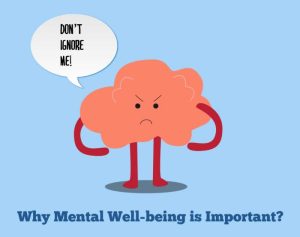
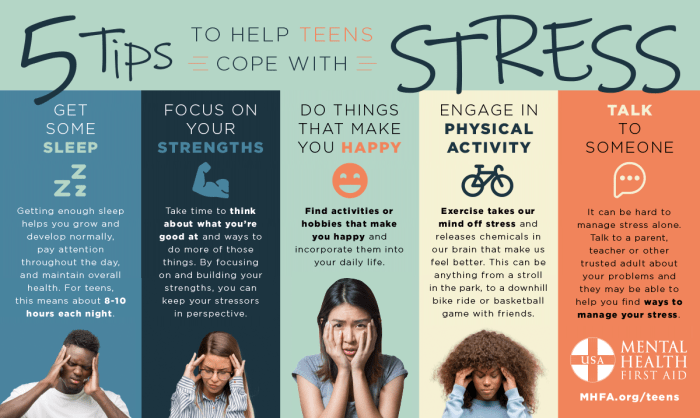
How to support mental health for teenagers – Ensuring mental wellness is crucial for teenagers as it directly impacts their overall well-being and quality of life. It involves managing emotions, coping with stress, and making healthy choices.
Activities to Promote Mental Wellness
- Regular Exercise: Engaging in physical activities like sports, yoga, or simply going for a walk can help reduce stress and improve mood.
- Mindfulness and Meditation: Practicing mindfulness techniques and meditation can help teenagers stay grounded, reduce anxiety, and improve focus.
- Social Connections: Building and maintaining positive relationships with friends and family members can provide emotional support and a sense of belonging.
- Healthy Eating: Consuming a balanced diet rich in nutrients can contribute to better mental health and overall well-being.
- Limiting Screen Time: Setting boundaries on screen time and taking breaks from technology can help reduce feelings of isolation and improve sleep quality.
Physical Fitness
Regular physical fitness plays a crucial role in maintaining good mental health, especially for teenagers who are going through various changes and challenges. Engaging in physical activities can help reduce stress, improve mood, increase self-esteem, and boost overall mental well-being.
Benefits of Physical Fitness on Mental Health
Regular exercise has numerous benefits on mental health. It releases endorphins, also known as ‘feel-good’ hormones, which can help alleviate symptoms of anxiety and depression. Physical activity also promotes better sleep, increases energy levels, and enhances cognitive function. Moreover, participating in sports or fitness routines can foster a sense of accomplishment and social connection, which are vital for mental wellness.
- Improves Mood: Exercise can help regulate mood swings and reduce feelings of irritability and anger.
- Reduces Stress: Physical activity can act as a stress reliever, allowing teenagers to unwind and relax.
- Boosts Self-Esteem: Achieving fitness goals and improving physical health can enhance self-confidence and self-worth.
- Enhances Cognitive Function: Regular exercise has been linked to improved focus, memory, and overall cognitive abilities.
Healthy Eating
Maintaining healthy eating habits plays a crucial role in supporting the mental health of teenagers. The food we consume directly impacts our brain function, mood, and overall well-being.
Nutrient-Rich Foods for Mental Well-Being
Eating a balanced diet rich in essential nutrients can help improve mental health and cognitive function. Some examples of nutrient-rich foods that support mental well-being include:
- Fatty Fish: Rich in omega-3 fatty acids, which are essential for brain health and can help reduce symptoms of depression and anxiety.
- Leafy Greens: Packed with vitamins, minerals, and antioxidants that support brain health and cognitive function.
- Nuts and Seeds: Good sources of healthy fats, vitamin E, and magnesium, which are important for brain health and reducing stress.
- Whole Grains: Provide a steady source of energy and essential nutrients that support overall brain function.
- Fruits and Vegetables: Loaded with vitamins, minerals, and antioxidants that help reduce inflammation and support mental well-being.
Impact of Poor Nutrition on Mental Health, How to support mental health for teenagers
Poor nutrition can have a detrimental impact on mental health, leading to mood swings, fatigue, cognitive impairment, and increased risk of mental health disorders. Consuming a diet high in processed foods, sugar, and unhealthy fats can contribute to inflammation in the body and negatively affect brain function. It is essential for teenagers to prioritize healthy eating habits to support their mental health and overall well-being.
Preventive Care
Preventive care plays a crucial role in maintaining good mental health for teenagers. By focusing on early detection and regular check-ups, we can identify and address potential mental health challenges before they escalate.
Importance of Early Detection
Early detection of mental health issues in teenagers is vital in providing timely support and intervention. By being proactive and observant, parents, teachers, and healthcare professionals can identify warning signs and symptoms that may indicate the need for further assessment and assistance.
- Encourage open communication: Create a safe and non-judgmental environment for teenagers to express their thoughts and feelings. Encourage them to talk about any concerns or struggles they may be facing.
- Monitor behavioral changes: Keep an eye out for any significant changes in behavior, mood, or sleeping patterns. Sudden shifts in these areas could be red flags for underlying mental health issues.
- Educate about mental health: Raise awareness about mental health and the importance of seeking help when needed. By normalizing conversations around mental well-being, teenagers may feel more comfortable reaching out for support.
Role of Regular Check-ups
Regular check-ups with healthcare providers can help prevent mental health challenges by monitoring overall well-being and providing early intervention when necessary. These appointments allow for proactive discussions about mental health and can lead to timely referrals to mental health professionals if needed.
Regular check-ups serve as an opportunity to assess a teenager’s mental health status, discuss any concerns, and determine appropriate interventions to support their well-being.
Balanced Diet
Eating a balanced diet is crucial for maintaining good mental health in teenagers. A balanced diet consists of a variety of nutrients that support brain function and overall well-being.
Components of a Balanced Diet for Mental Health
- Protein: Essential for neurotransmitter function, mood regulation, and energy levels. Include sources like lean meats, eggs, beans, and dairy products.
- Omega-3 fatty acids: Support brain health and reduce symptoms of depression. Incorporate sources like fatty fish, flaxseeds, and walnuts.
- Fruits and vegetables: Rich in antioxidants and vitamins that promote cognitive function and mood stability. Aim for a colorful variety to ensure a range of nutrients.
- Whole grains: Provide sustained energy levels and support serotonin production. Opt for whole wheat, oats, quinoa, and brown rice.
- Healthy fats: Essential for brain health and hormone regulation. Include sources like avocados, olive oil, nuts, and seeds.
- Hydration: Stay well-hydrated with water and limit sugary drinks to support cognitive function and overall health.
Meal Planning Tips for a Balanced Diet
- Plan ahead: Schedule meals and snacks to ensure a well-rounded intake of nutrients throughout the day.
- Include a variety: Incorporate different food groups in each meal to ensure a diverse nutrient intake.
- Avoid processed foods: Limit consumption of processed and sugary foods that can negatively impact mood and energy levels.
- Practice portion control: Be mindful of serving sizes to prevent overeating and maintain a healthy weight.
- Cook at home: Prepare meals at home using fresh ingredients to have better control over the nutritional content.
Long-Term Benefits of a Balanced Diet on Mental Health
- Improved mood: Nutrient-rich foods support neurotransmitter function, leading to enhanced mood and reduced risk of mental health disorders.
- Enhanced cognitive function: A balanced diet provides essential nutrients for brain health, improving memory, focus, and overall cognitive abilities.
- Stress reduction: Proper nutrition supports stress management and resilience, helping teenagers cope with daily challenges more effectively.
- Reduced risk of mental health disorders: Long-term adherence to a balanced diet can lower the risk of conditions like depression, anxiety, and ADHD in teenagers.
Regular Exercise
Regular exercise is essential for teenagers to support their mental health. Not only does exercise improve physical fitness, but it also has numerous benefits for mental well-being. It can help reduce stress, anxiety, and depression, while boosting self-esteem and overall mood.
Recommended Amount of Exercise
- Teenagers should aim for at least 60 minutes of moderate to vigorous physical activity every day.
- This can include activities such as running, swimming, biking, dancing, or playing sports.
- Incorporating strength training exercises at least 3 days a week is also beneficial for overall health.
Mental Health Benefits of Different Types of Exercises
- Aerobic exercises: Activities like running, swimming, or dancing can help release endorphins, also known as ‘feel-good’ hormones, to improve mood and reduce stress.
- Yoga and Pilates: These exercises focus on breathing techniques, mindfulness, and flexibility, promoting relaxation and reducing anxiety.
- Team sports: Playing team sports not only provides physical benefits but also fosters social connections, teamwork, and a sense of belonging, which can improve mental well-being.
Fun and Engaging Workouts for Teenagers
- Dance Classes: Zumba, hip-hop, or salsa classes are not only fun but also great cardio workouts that can boost mood and energy levels.
- Outdoor Activities: Hiking, biking, or playing frisbee in the park can be enjoyable ways to get moving and connect with nature.
- Bodyweight Workouts: Exercises like squats, lunges, and push-ups can be done at home without any equipment and are effective for strength training.
Holistic Wellness: How To Support Mental Health For Teenagers
Holistic wellness focuses on the overall well-being of an individual, considering physical, mental, emotional, and spiritual health. For teenagers, holistic approaches can play a vital role in improving their mental health by addressing various aspects of their lives.
Mindfulness and Meditation
Practicing mindfulness and meditation are powerful tools that promote holistic wellness in teenagers. These techniques help them stay present, manage stress, and improve their mental clarity. By incorporating mindfulness and meditation into their daily routine, teenagers can enhance their overall well-being.
Healthy Relationships
Building and maintaining healthy relationships with family and friends is crucial for teenage mental health. Positive social connections can provide support, reduce feelings of loneliness, and boost self-esteem. Encouraging open communication and fostering trust in relationships can contribute to a teenager’s holistic wellness.
Physical Activity
Engaging in regular physical activity not only benefits the body but also has a positive impact on mental health. Exercise releases endorphins, which are known as “feel-good” hormones, helping teenagers combat stress, anxiety, and depression. Incorporating physical activity into their routine can promote holistic wellness and improve overall mental well-being.
Chronic Diseases
Chronic diseases can have a significant impact on the mental health of teenagers. The stress and challenges that come with managing a chronic condition can lead to feelings of anxiety, depression, and isolation. It is essential to address the relationship between chronic diseases and mental health to provide comprehensive support to teenagers facing these struggles.
Impact of Managing Chronic Conditions on Mental Well-being
- Managing a chronic disease requires constant attention to symptoms, medications, and lifestyle adjustments. This can be overwhelming and lead to increased stress and anxiety levels in teenagers.
- Feelings of frustration and helplessness may arise when dealing with the limitations imposed by a chronic condition, impacting the overall mental well-being of teenagers.
- The emotional toll of chronic diseases can affect relationships with peers and family members, leading to feelings of isolation and loneliness.
Ways to Support Teenagers with Chronic Diseases from a Mental Health Perspective
- Encourage open communication and provide a safe space for teenagers to express their feelings and concerns about their chronic condition.
- Offer access to mental health professionals, such as therapists or counselors, who can provide coping strategies and emotional support.
- Promote self-care practices, such as mindfulness meditation, yoga, or journaling, to help teenagers manage stress and improve their mental well-being.
- Educate peers and teachers about the challenges faced by teenagers with chronic diseases to foster empathy and understanding within their social circles.
Immunity Boosters
Immunity boosters play a crucial role in supporting mental health in teenagers. A strong immune system helps protect the body from illnesses, reducing the physical stress that can impact mental well-being. When teenagers have a robust immune system, they are less likely to experience frequent illnesses, which can lead to improved mood and overall mental health.
Natural Immunity Boosters for Mental Well-being
- Probiotics: These beneficial bacteria help support a healthy gut, which is linked to improved mood and mental health.
- Vitamin C: Known for its immune-boosting properties, vitamin C also plays a role in reducing stress and anxiety levels.
- Zinc: This mineral is essential for immune function and has been linked to improved mood and cognitive function.
- Omega-3 fatty acids: Found in fish, flaxseeds, and walnuts, omega-3s have anti-inflammatory properties that can benefit both physical and mental health.
Importance of a Strong Immune System for Mental Health
Maintaining a strong immune system is vital for overall mental health in teenagers. A well-functioning immune system helps reduce inflammation in the body, which has been linked to conditions such as depression and anxiety. By incorporating natural immunity boosters into their diet and lifestyle, teenagers can support their immune system and promote better mental well-being.
Questions and Answers
How can I encourage my teenager to prioritize mental wellness?
Encourage open communication, active listening, and destigmatize seeking help for mental health concerns.
What are some fun physical fitness activities for teenagers?
Activities like dancing, hiking, swimming, or team sports can make exercising enjoyable for teenagers.
How does mindfulness contribute to holistic wellness in teenagers?
Mindfulness practices help teenagers develop self-awareness, reduce stress, and improve emotional regulation.