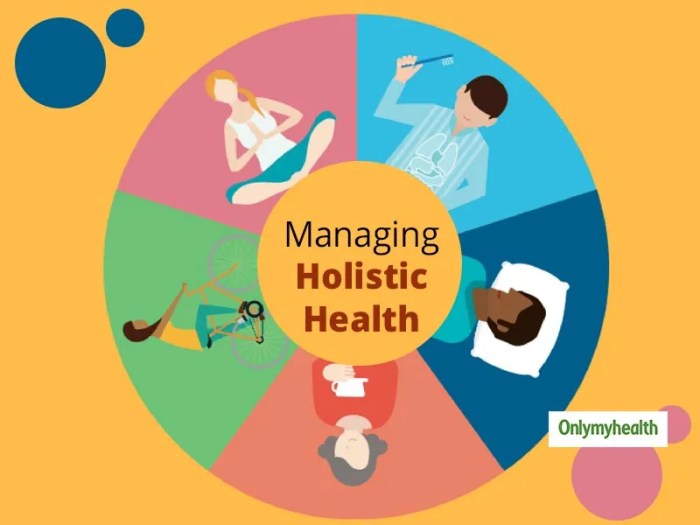
Holistic approaches to managing chronic diseases without medication offer a compelling alternative to traditional medical models, emphasizing a comprehensive understanding of health and well-being. This approach recognizes the interconnectedness of physical, mental, emotional, and spiritual aspects of health, promoting a holistic lifestyle that addresses the root causes of chronic conditions rather than solely focusing on symptom management.
By integrating lifestyle modifications, alternative therapies, and mental health support, holistic practices empower individuals to take an active role in their health journey. This approach encourages individuals to make informed choices about their well-being, embracing a preventative and proactive approach to chronic disease management.
Understanding Holistic Approaches
Holistic approaches to managing chronic diseases are gaining increasing attention as individuals seek alternative and complementary methods to address their health concerns. Unlike traditional medical models that focus on treating specific symptoms or conditions, holistic approaches emphasize a comprehensive view of health and well-being, considering the interconnectedness of physical, mental, emotional, and spiritual aspects.
Core Principles of Holistic Health and Wellness
Holistic health and wellness are built upon a set of core principles that guide the approach to understanding and managing health. These principles emphasize the interconnectedness of all aspects of an individual’s being and promote a balanced and harmonious lifestyle.
- Mind-Body Connection:This principle recognizes that the mind and body are intricately linked, and that emotional and mental states can significantly impact physical health. Stress, anxiety, and negative thoughts can contribute to chronic disease development and progression, while positive emotions and a sense of well-being can promote healing and resilience.
- Individualized Approach:Holistic approaches acknowledge that each individual is unique and requires a personalized plan that addresses their specific needs and circumstances. This approach considers individual factors such as genetics, lifestyle, environment, and personal beliefs.
- Prevention and Lifestyle Modification:Holistic approaches emphasize preventative measures and lifestyle changes to promote optimal health and well-being. This includes adopting a healthy diet, engaging in regular physical activity, managing stress, and cultivating positive social connections.
- Natural Therapies:Holistic practices often incorporate natural therapies such as herbal medicine, acupuncture, massage therapy, and yoga, which aim to stimulate the body’s natural healing abilities and restore balance.
- Empowerment and Self-Responsibility:Holistic approaches encourage individuals to take an active role in their health and well-being, empowering them to make informed decisions about their care and lifestyle choices.
Differences from Traditional Medical Models
Traditional medical models primarily focus on treating specific symptoms or conditions through pharmaceuticals and surgery. While these approaches can be effective in addressing acute health issues, they may not always address the underlying causes of chronic diseases or consider the individual’s overall well-being.
Holistic approaches, on the other hand, take a more comprehensive view of health, addressing the root causes of disease and promoting overall well-being.
Examples of Holistic Practices in Chronic Disease Management
Holistic practices are increasingly being incorporated into the management of chronic diseases, offering complementary and supportive approaches alongside conventional medical treatments.
- Yoga and Tai Chi:These practices can improve flexibility, balance, and strength, while reducing stress and promoting relaxation. They can be particularly beneficial for managing chronic pain conditions such as arthritis and back pain.
- Meditation and Mindfulness:These practices help reduce stress, improve sleep quality, and promote emotional regulation, which can be beneficial for managing conditions like anxiety, depression, and chronic pain.
- Acupuncture:This traditional Chinese medicine technique involves inserting thin needles into specific points on the body to stimulate energy flow and promote healing. It has been shown to be effective in managing chronic pain, nausea, and other symptoms.
- Herbal Medicine:Herbal remedies have been used for centuries to address a wide range of health concerns. They can be effective in managing chronic conditions such as diabetes, heart disease, and digestive disorders, but it is important to consult with a qualified practitioner before using herbal supplements.
- Nutritional Therapy:A balanced and nutrient-rich diet can play a crucial role in managing chronic diseases. Nutritional therapy involves working with a registered dietitian to develop a personalized eating plan that supports optimal health and well-being.
Lifestyle Modifications for Chronic Disease Management
Lifestyle modifications play a crucial role in managing chronic diseases. By adopting a holistic approach that encompasses dietary changes, regular physical activity, stress management, and other healthy habits, individuals can significantly improve their well-being and potentially reduce the severity of their conditions.
Dietary Modifications for Chronic Disease Management, Holistic approaches to managing chronic diseases without medication
A balanced diet is essential for managing chronic diseases. It provides the necessary nutrients to support the body’s functions and helps maintain overall health. Here’s a sample weekly meal plan emphasizing a balanced diet for individuals with chronic diseases:
- Monday:
- Breakfast: Oatmeal with berries and nuts
- Lunch: Grilled salmon with quinoa and steamed vegetables
- Dinner: Lentil soup with whole-wheat bread
- Tuesday:
- Breakfast: Yogurt with fruit and granola
- Lunch: Chicken salad sandwich on whole-wheat bread
- Dinner: Vegetarian chili with brown rice
- Wednesday:
- Breakfast: Whole-wheat toast with avocado and egg
- Lunch: Leftover vegetarian chili
- Dinner: Baked chicken with roasted vegetables
- Thursday:
- Breakfast: Smoothie with fruits, vegetables, and yogurt
- Lunch: Salad with grilled chicken or tofu
- Dinner: Pasta with tomato sauce and vegetables
- Friday:
- Breakfast: Pancakes with fruit and syrup
- Lunch: Leftover pasta with tomato sauce and vegetables
- Dinner: Fish tacos with brown rice
- Saturday:
- Breakfast: Eggs with whole-wheat toast and avocado
- Lunch: Pizza with whole-wheat crust and vegetables
- Dinner: Stir-fry with tofu or chicken and vegetables
- Sunday:
- Breakfast: Waffles with fruit and syrup
- Lunch: Leftover stir-fry
- Dinner: Roast chicken with potatoes and carrots
This sample meal plan is just a guideline. It’s essential to consult with a registered dietitian or nutritionist to create a personalized meal plan that meets your specific needs and dietary restrictions.
Exercise for Chronic Disease Management
Regular physical activity is crucial for managing chronic diseases. It helps improve cardiovascular health, strengthens muscles and bones, reduces stress, and promotes overall well-being. Here’s a comprehensive exercise routine incorporating regular physical activity for managing chronic conditions:
- Cardiovascular Exercise:Aim for at least 30 minutes of moderate-intensity cardiovascular exercise most days of the week. Examples include brisk walking, jogging, swimming, cycling, and dancing.
- Strength Training:Engage in strength training exercises two to three times per week. This helps build muscle mass, improve bone density, and enhance functional fitness. Examples include weightlifting, resistance band exercises, and bodyweight exercises.
- Flexibility and Balance Exercises:Incorporate flexibility and balance exercises into your routine to improve range of motion, reduce stiffness, and prevent falls. Examples include yoga, tai chi, and stretching.
It’s essential to start gradually and gradually increase the intensity and duration of your workouts as your fitness level improves. It’s also important to listen to your body and take rest days when needed.
Stress Management Techniques
Stress can have a significant impact on both physical and mental health. It can worsen chronic conditions and make it harder to manage symptoms. Stress management techniques are essential for maintaining holistic health.
- Mindfulness Meditation:Mindfulness meditation involves focusing on the present moment without judgment. It can help reduce stress, improve focus, and promote emotional regulation.
- Deep Breathing Exercises:Deep breathing exercises can help calm the nervous system and reduce stress. Techniques like diaphragmatic breathing and box breathing are effective.
- Yoga and Tai Chi:These mind-body practices combine physical postures, breathing techniques, and meditation to reduce stress, improve flexibility, and promote relaxation.
- Progressive Muscle Relaxation:This technique involves tensing and relaxing different muscle groups in the body to reduce tension and promote relaxation.
- Spending Time in Nature:Spending time in nature has been shown to reduce stress, improve mood, and promote well-being.
Stress management techniques are not a one-size-fits-all approach. It’s essential to experiment with different techniques to find what works best for you.
Alternative Therapies and Practices
Alternative therapies, often called complementary and alternative medicine (CAM), offer a range of approaches to health and wellness, potentially complementing conventional medical treatments. These therapies aim to address the root cause of disease and promote overall well-being.
Acupuncture
Acupuncture, a key component of Traditional Chinese Medicine (TCM), involves inserting thin needles into specific points on the body. TCM believes that these points stimulate the flow of “qi” (vital energy) along meridians, restoring balance and promoting healing.
Benefits of Acupuncture
- Pain relief:Acupuncture has shown effectiveness in managing chronic pain conditions like lower back pain, neck pain, and osteoarthritis.
- Nausea and vomiting:Acupuncture can help alleviate nausea and vomiting, especially those caused by chemotherapy and pregnancy.
- Improved sleep:Acupuncture may promote relaxation and improve sleep quality in individuals with insomnia.
- Anxiety and depression:Studies suggest that acupuncture can reduce anxiety and depressive symptoms.
Potential Risks of Acupuncture
- Infection:As with any procedure involving needles, there’s a risk of infection if proper hygiene and sterilization are not maintained.
- Bleeding:Some individuals may experience mild bleeding at the needle insertion site.
- Soreness:Acupuncture may cause temporary soreness or bruising at the needle insertion points.
Evidence-Based Research on Acupuncture
Several studies have demonstrated the effectiveness of acupuncture in managing specific chronic diseases. For instance, a 2012 study published in the journal “Annals of Internal Medicine” found that acupuncture was effective in reducing pain and improving function in patients with chronic low back pain.
Another study published in the “Journal of the American Medical Association” showed that acupuncture was beneficial for reducing nausea and vomiting in patients undergoing chemotherapy.
Complementary Therapies with Acupuncture
Acupuncture can be combined with other complementary therapies, such as massage therapy, herbal remedies, and yoga, to enhance overall well-being and manage chronic conditions.
Yoga
Yoga is a mind-body practice that combines physical postures, breathing techniques, and meditation. It aims to promote flexibility, strength, balance, and relaxation, while reducing stress and enhancing overall health.
Benefits of Yoga
- Improved flexibility and range of motion:Yoga postures help stretch and strengthen muscles, improving flexibility and range of motion.
- Reduced stress and anxiety:Yoga’s focus on deep breathing and mindfulness helps calm the nervous system, reducing stress and anxiety.
- Improved cardiovascular health:Regular yoga practice can improve heart rate variability and blood pressure, promoting cardiovascular health.
- Pain management:Yoga can be beneficial for managing chronic pain conditions like back pain, neck pain, and arthritis.
Potential Risks of Yoga
- Injury:Improper form or pushing beyond one’s limits can lead to injuries, especially in individuals with pre-existing conditions.
- Dizziness or lightheadedness:Some yoga poses can cause dizziness or lightheadedness, particularly in individuals with low blood pressure or certain medical conditions.
- Exacerbation of symptoms:Certain yoga poses may exacerbate symptoms in individuals with specific medical conditions, such as spinal stenosis or herniated discs.
Evidence-Based Research on Yoga
Numerous studies have investigated the effectiveness of yoga in managing chronic diseases. A 2013 review published in the journal “Evidence-Based Complementary and Alternative Medicine” concluded that yoga was effective in reducing pain and improving function in patients with chronic low back pain.
Another study published in the “Journal of Alternative and Complementary Medicine” found that yoga was beneficial for reducing anxiety and improving mood in individuals with generalized anxiety disorder.
Complementary Therapies with Yoga
Yoga can be combined with other complementary therapies, such as meditation, acupuncture, and massage therapy, to enhance overall well-being and manage chronic conditions.
Meditation
Meditation is a practice that involves focusing the mind on a single point of attention, such as the breath, a mantra, or an image. It aims to cultivate mindfulness, reduce stress, and promote relaxation.
Benefits of Meditation
- Stress reduction:Meditation helps calm the nervous system, reducing stress and anxiety.
- Improved sleep:Meditation can promote relaxation and improve sleep quality in individuals with insomnia.
- Increased self-awareness:Meditation cultivates mindfulness, helping individuals become more aware of their thoughts, feelings, and bodily sensations.
- Improved emotional regulation:Meditation can help individuals develop greater emotional regulation, managing negative emotions more effectively.
Potential Risks of Meditation
- Dizziness or lightheadedness:Some individuals may experience dizziness or lightheadedness during meditation, particularly if they are new to the practice.
- Increased anxiety:In some cases, meditation can initially increase anxiety, as individuals become more aware of their thoughts and feelings.
- Emotional distress:Meditation can sometimes bring up suppressed emotions or memories, which may cause emotional distress.
Evidence-Based Research on Meditation
A growing body of research supports the benefits of meditation for managing chronic diseases. A 2014 review published in the journal “JAMA Internal Medicine” found that meditation was effective in reducing stress, anxiety, and depression. Another study published in the “Journal of Alternative and Complementary Medicine” showed that meditation was beneficial for improving sleep quality in individuals with insomnia.
Complementary Therapies with Meditation
Meditation can be combined with other complementary therapies, such as yoga, acupuncture, and massage therapy, to enhance overall well-being and manage chronic conditions.
The Role of Mental Health in Chronic Disease Management
The connection between mental and physical health is undeniable, and this is particularly evident in the context of chronic disease management. Chronic diseases, such as diabetes, heart disease, and arthritis, can significantly impact a person’s emotional well-being, while mental health conditions like stress and anxiety can, in turn, exacerbate the symptoms and progression of these diseases.
The Intertwined Relationship Between Mental Health and Chronic Disease
Chronic diseases can negatively impact mental health in various ways. For example, the constant management of symptoms, medication side effects, and lifestyle changes can lead to feelings of frustration, anxiety, and depression. The social stigma associated with certain conditions can also contribute to feelings of isolation and low self-esteem.
The Impact of Stress and Anxiety on Chronic Disease Progression
Stress and anxiety can have a significant impact on the progression of chronic diseases. When the body is under stress, it releases hormones like cortisol, which can increase inflammation, disrupt blood sugar regulation, and weaken the immune system. This can lead to a worsening of symptoms and an increased risk of complications.
The Importance of Mental Health Support in Holistic Disease Management
Mental health support is an essential component of holistic chronic disease management. Addressing the emotional and psychological aspects of the disease can improve overall well-being and enhance the effectiveness of other treatment strategies. This support can come from various sources, including:
- Therapy:Talking to a therapist can help individuals cope with the emotional challenges of living with a chronic disease. Therapy can provide tools for stress management, coping with anxiety and depression, and improving self-care practices.
- Support Groups:Connecting with others who have similar experiences can provide a sense of community and understanding. Support groups can offer practical advice, emotional support, and a safe space to share feelings and experiences.
- Mindfulness and Meditation:Practices like mindfulness and meditation can help individuals manage stress, improve focus, and cultivate a sense of inner peace. These techniques can be particularly beneficial for reducing anxiety and promoting relaxation.
Building a Holistic Support System
Managing a chronic disease can be a challenging journey, both physically and emotionally. While holistic approaches focus on various aspects of well-being, having a supportive network can significantly enhance the effectiveness of these strategies. A strong support system provides encouragement, accountability, and a sense of community, contributing to a more positive and empowered experience with chronic disease management.
Resources and Professionals for Holistic Disease Management
A holistic approach often involves collaborating with a team of professionals who can address different aspects of your health and well-being. Here are some key resources and professionals that can contribute to your holistic disease management:
- Integrative Medicine Physician:A physician trained in both conventional and complementary medicine, they can help integrate different approaches to manage your condition.
- Registered Dietitian:A registered dietitian can provide personalized nutrition guidance tailored to your specific needs and disease management goals.
- Licensed Acupuncturist:Acupuncture can help manage pain, reduce stress, and improve overall well-being, which can be beneficial for chronic disease management.
- Yoga Instructor:Yoga combines physical postures, breathing techniques, and meditation, offering a holistic approach to managing stress, improving flexibility, and enhancing overall health.
- Massage Therapist:Massage therapy can reduce muscle tension, improve circulation, and promote relaxation, all of which can be helpful in managing chronic conditions.
- Psychotherapist or Counselor:Addressing mental health is crucial in managing chronic disease. A therapist can help you cope with emotional challenges, build resilience, and develop healthy coping mechanisms.
Benefits of Support Groups and Community Involvement
Connecting with others who understand the challenges of living with a chronic disease can be incredibly empowering. Support groups and community involvement offer a space for shared experiences, emotional support, and practical advice.
- Shared Experiences and Understanding:Support groups provide a platform for individuals to connect with others who have similar experiences and challenges, fostering a sense of belonging and understanding.
- Emotional Support and Encouragement:Sharing feelings, fears, and frustrations with others who truly understand can be incredibly therapeutic and provide a sense of validation and support.
- Practical Advice and Tips:Support groups often offer valuable insights, practical tips, and coping strategies shared by individuals who have been through similar experiences.
- Sense of Community and Belonging:Connecting with others who share a common experience can combat feelings of isolation and create a sense of community and belonging, fostering a positive and supportive environment.
- Increased Motivation and Accountability:Sharing goals and challenges with a group can provide motivation and accountability, making it easier to stay committed to your holistic health plan.
Building Your Holistic Support Network
Building a strong support network is a gradual process. It involves identifying individuals and resources that can contribute to your well-being and actively engaging with them. Here’s a step-by-step guide to help you create your own holistic support network:
- Identify Your Needs:Reflect on the areas where you need support. Do you need help with nutrition, exercise, emotional well-being, or practical tasks? Understanding your specific needs will help you target your support network.
- Explore Resources and Professionals:Research local support groups, community organizations, and professionals who specialize in holistic health and chronic disease management.
- Connect with Others:Reach out to individuals who share your interests, challenges, or goals. This could be through online forums, support groups, or community events.
- Build Trust and Relationships:Building strong relationships takes time. Be patient and focus on creating genuine connections with individuals who are supportive and understanding.
- Communicate Your Needs and Boundaries:Be clear about your needs and expectations. Communicate your boundaries and let others know how you prefer to receive support.
- Be Open to New Connections:Be open to expanding your support network by attending events, joining groups, or engaging in activities that align with your interests and values.
- Nurture Your Connections:Make an effort to stay connected with your support network. Regularly communicate, share updates, and participate in activities together.
Case Studies and Success Stories
The power of holistic approaches to managing chronic diseases is best illustrated through real-life examples of individuals who have experienced their benefits firsthand. These stories highlight the transformative potential of holistic practices and offer valuable lessons for those seeking alternative paths to well-being.
Examples of Individuals Who Have Successfully Managed Chronic Diseases Using Holistic Approaches
These case studies demonstrate the diverse ways individuals have successfully managed their chronic diseases through holistic approaches. Each story emphasizes the importance of individualization, considering the unique needs and preferences of each person.
- Case Study 1: Managing Type 2 Diabetes– A 55-year-old woman with type 2 diabetes, struggling with medication side effects, decided to adopt a holistic approach. She incorporated a plant-based diet, regular exercise, stress management techniques like yoga and meditation, and acupuncture. Within a year, she was able to significantly reduce her reliance on medication, improve her blood sugar control, and experience an overall improvement in her health and well-being.
- Case Study 2: Overcoming Chronic Pain– A 40-year-old man suffering from chronic back pain, frustrated with conventional treatments, turned to holistic therapies. He combined acupuncture, massage therapy, and mindfulness practices. He reported a significant reduction in pain, improved mobility, and a greater sense of control over his condition.
- Case Study 3: Reversing Autoimmune Disease– A 30-year-old woman diagnosed with Hashimoto’s thyroiditis, an autoimmune disease, sought holistic solutions. She implemented a gluten-free diet, stress reduction techniques, and herbal supplements. She experienced a remission of her symptoms and improved thyroid function, highlighting the potential of holistic approaches in managing autoimmune conditions.
Benefits and Challenges Encountered During the Journey
Holistic approaches to chronic disease management offer numerous benefits, but individuals may also encounter challenges along the way.
- Benefits– Holistic approaches can empower individuals to take control of their health, improve their overall well-being, reduce reliance on medication, and experience a greater sense of purpose and meaning in their lives.
- Challenges– The journey may involve significant lifestyle changes, requiring commitment and discipline. Finding qualified practitioners and navigating the complexities of different therapies can be challenging. Access to holistic resources and support may vary depending on location and financial constraints.
Lessons Learned from These Experiences
These case studies offer valuable insights into the power and potential of holistic approaches to managing chronic diseases.
- Personalized Approach– The success of holistic interventions depends on individualization, considering the unique needs, preferences, and circumstances of each person.
- Commitment and Discipline– Holistic approaches require a significant commitment to lifestyle changes, including dietary modifications, regular exercise, stress management, and incorporating alternative therapies.
- Collaboration with Healthcare Professionals– It’s crucial to collaborate with healthcare professionals to ensure holistic approaches complement conventional medical care and address potential interactions or contraindications.
- Building a Support System– Having a strong support system, including family, friends, and a community of like-minded individuals, can provide encouragement, accountability, and emotional support during the journey.
Addressing Common Concerns and Misconceptions: Holistic Approaches To Managing Chronic Diseases Without Medication
It’s understandable to have questions and concerns about holistic approaches to chronic disease management, especially when traditional medical treatments are often the primary focus. Let’s explore some common misconceptions and address them with evidence-based information.
Holistic Approaches Are Not Evidence-Based
While some alternative therapies may lack rigorous scientific studies, many have a solid foundation in research and have demonstrated effectiveness in managing chronic conditions. For example, acupuncture has been shown to be effective for pain management, and yoga has been linked to improved cardiovascular health and stress reduction.
It’s important to note that the effectiveness of any approach can vary depending on the individual and the specific condition.
Holistic Approaches Are Not Safe
The safety of alternative therapies is often a concern, and it’s crucial to approach them with caution. It’s essential to consult with a qualified healthcare professional before starting any new treatment, especially if you have underlying health conditions or are taking medications.
They can help determine if an approach is safe for you and advise on potential interactions with existing treatments.
Holistic Approaches Replace Traditional Medicine
Holistic approaches are not meant to replace conventional medicine. They should be considered complementary or integrative, working alongside traditional treatments. This means that you can use holistic approaches to manage symptoms, improve your overall well-being, and potentially reduce the need for medications or other interventions.
Holistic Approaches Are Only for Specific Conditions
While some holistic approaches may be more effective for certain conditions, they can be beneficial for a wide range of chronic diseases. For example, mindfulness practices can be helpful for managing stress and anxiety, which are common factors in many chronic conditions.
Lifestyle modifications, such as healthy eating and regular exercise, are fundamental to managing chronic diseases across the board.
Holistic Approaches Are Expensive
The cost of holistic approaches can vary widely depending on the specific therapies and practitioners involved. However, many lifestyle modifications and self-care practices are relatively inexpensive or even free. It’s important to research and find affordable options that fit your budget.
Holistic Approaches Are Time-Consuming
While some holistic approaches may require time commitment, such as yoga or meditation, others, like dietary changes, can be integrated into your daily routine. It’s essential to find practices that fit your lifestyle and preferences.
Holistic Approaches Don’t Work for Everyone
The effectiveness of any approach can vary depending on the individual and their specific condition. What works for one person may not work for another. It’s crucial to work with a qualified healthcare professional to find the right combination of therapies that meets your individual needs.
Holistic Approaches Are Not Scientifically Validated
Many holistic approaches have a growing body of scientific evidence supporting their effectiveness. While more research is always needed, there’s increasing recognition of the benefits of these approaches. For example, studies have shown the positive effects of yoga on cardiovascular health, acupuncture for pain management, and mindfulness for stress reduction.
Holistic Approaches Are Based on Placebo Effects
While the placebo effect plays a role in any treatment, it’s not the sole explanation for the effectiveness of holistic approaches. These approaches often target the underlying causes of chronic diseases, addressing factors like stress, inflammation, and lifestyle habits, which contribute to improved health outcomes.
The Future of Holistic Chronic Disease Management
The field of holistic healthcare is rapidly evolving, with increasing research and clinical evidence supporting the effectiveness of integrating mind-body approaches into conventional medicine. As we look towards the future, there are exciting possibilities for advancing holistic chronic disease management and improving the well-being of individuals living with chronic conditions.
Emerging Trends and Research in Holistic Healthcare
The future of holistic chronic disease management is characterized by several key trends:
- Personalized Medicine:The growing understanding of individual genetic, environmental, and lifestyle factors is leading to personalized approaches to healthcare. This includes tailoring holistic interventions to specific patient needs, considering their unique biological, psychological, and social context.
- Integration of Traditional Medicine:There is increasing recognition of the value of traditional medicine systems, such as Ayurveda, Traditional Chinese Medicine, and Traditional Korean Medicine. These systems offer a wealth of knowledge about holistic approaches to health and disease, which can be integrated into conventional medicine practices.
- Mind-Body Connection:The scientific understanding of the mind-body connection continues to deepen. Research in fields like psychoneuroimmunology demonstrates the profound impact of stress, emotions, and lifestyle factors on the immune system and overall health. This understanding is driving the development of holistic interventions that address the interplay between mind and body.
- Focus on Prevention:The emphasis is shifting from treating chronic diseases to preventing them. Holistic approaches, such as lifestyle modifications, stress management, and nutritional interventions, play a crucial role in promoting health and reducing the risk of chronic conditions.
Potential Future Directions for Integrating Holistic Approaches into Conventional Medicine
Several potential future directions for integrating holistic approaches into conventional medicine:
- Holistic Assessment and Treatment Plans:Incorporating holistic assessments, which consider the patient’s physical, emotional, social, and spiritual well-being, into routine medical practice. This will allow healthcare providers to develop more comprehensive treatment plans that address the whole person.
- Interdisciplinary Care Teams:Fostering collaboration between conventional healthcare providers and holistic practitioners, such as acupuncturists, naturopaths, and yoga therapists. This interdisciplinary approach can provide patients with a more comprehensive and integrated care experience.
- Holistic Education for Healthcare Professionals:Integrating holistic principles and practices into medical education and training programs. This will equip future healthcare professionals with the knowledge and skills to effectively incorporate holistic approaches into their practice.
The Role of Technology and Innovation in Supporting Holistic Chronic Disease Management
Technology and innovation are playing a transformative role in supporting holistic chronic disease management:
- Wearable Technology:Wearable devices, such as smartwatches and fitness trackers, are enabling individuals to monitor their health data, track their progress, and make informed lifestyle choices. This data can be used to personalize holistic interventions and provide real-time feedback.
- Telemedicine and Virtual Care:Telemedicine platforms are expanding access to holistic healthcare services, allowing patients to connect with practitioners remotely. This is particularly beneficial for individuals in rural or underserved areas.
- Artificial Intelligence (AI):AI algorithms are being developed to analyze large datasets of patient information and identify patterns that can inform holistic interventions. This can lead to more personalized and effective treatments.
Closing Notes
Holistic approaches to managing chronic diseases without medication present a transformative paradigm shift in healthcare, emphasizing a holistic perspective that considers the individual as a whole. By integrating lifestyle modifications, alternative therapies, and mental health support, these approaches empower individuals to actively participate in their health journey, fostering a sense of agency and well-being.
While conventional medicine remains essential for acute care and specific conditions, incorporating holistic practices into chronic disease management offers a powerful complement, promoting long-term health and vitality.
FAQ Explained
What are the main principles of holistic health?
Holistic health emphasizes the interconnectedness of physical, mental, emotional, and spiritual well-being. It focuses on treating the whole person, not just the symptoms of a disease.
Are holistic approaches effective for managing chronic diseases?
While research is ongoing, many studies suggest that holistic approaches can be effective in managing chronic diseases. These methods can improve symptoms, reduce reliance on medication, and enhance overall quality of life.
Is it safe to use alternative therapies?
It’s crucial to consult with a qualified healthcare professional before starting any alternative therapies, as some may interact with medications or have potential risks. Evidence-based research and practitioner qualifications are important considerations.
How can I find a holistic practitioner?
You can search for practitioners through professional organizations, online directories, or recommendations from trusted sources. It’s essential to verify their credentials and experience.