Mental Wellness
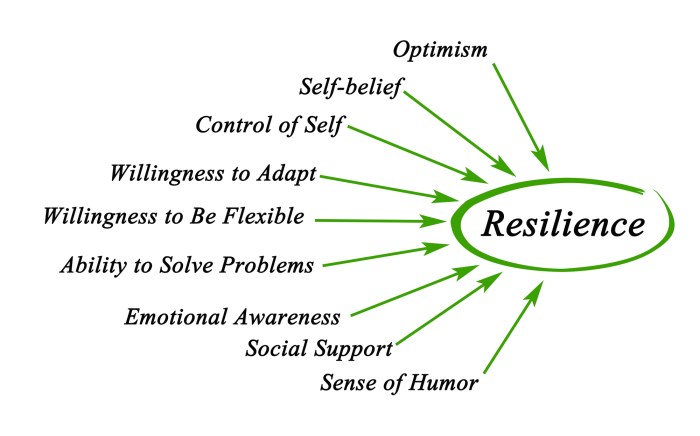
Maintaining mental wellness is crucial in cultivating resilience as it allows individuals to cope with stress, overcome challenges, and adapt to changes effectively. By focusing on mental well-being, individuals can build a strong foundation for resilience, enabling them to bounce back from setbacks and thrive in the face of adversity.
Practices that Promote Mental Wellness
- Regular exercise: Physical activity helps reduce stress, anxiety, and depression while improving mood and overall mental health.
- Mindfulness and meditation: Practicing mindfulness techniques and meditation can enhance self-awareness, reduce negative thinking patterns, and promote mental clarity.
- Healthy diet: Eating nutritious foods rich in essential nutrients supports brain function and contributes to better mental health.
- Social connections: Building and maintaining strong relationships with others can provide emotional support, reduce feelings of loneliness, and boost mental well-being.
Strategies for Improving Mental Well-being
- Developing a positive mindset: Cultivating optimism and practicing gratitude can help shift focus towards the good in life, fostering resilience.
- Setting boundaries: Establishing healthy boundaries in relationships and work-life balance can prevent burnout and protect mental health.
- Seeking professional help: Consulting a therapist or counselor can provide valuable support in addressing mental health concerns and developing coping strategies.
- Engaging in hobbies and interests: Pursuing activities that bring joy and fulfillment can reduce stress, enhance creativity, and promote overall well-being.
Physical Fitness
Regular physical activity is closely linked to mental resilience, as it helps to reduce symptoms of anxiety, depression, and stress. Exercise releases endorphins, which are chemicals in the brain that act as natural painkillers and mood elevators. This can lead to improved mood, increased energy levels, and better overall mental well-being.
Types of Physical Activities for Mental Well-Being
- Cardiovascular exercises such as running, swimming, or cycling can help reduce stress and anxiety levels.
- Strength training activities like weightlifting or bodyweight exercises can boost self-esteem and confidence.
- Yoga and Pilates focus on mindfulness and relaxation, aiding in stress reduction and mental clarity.
Benefits of Regular Exercise for Mental Health
- Improved sleep patterns, leading to better rest and mood regulation.
- Enhanced cognitive function and memory, promoting mental sharpness and focus.
- Increased self-discipline and goal-setting skills, translating to improved resilience and coping mechanisms in challenging situations.
- Reduced feelings of loneliness and isolation, as exercise can be a social activity when done in groups or classes.
Healthy Eating
How to cultivate resilience for mental wellness – Eating a balanced diet plays a crucial role in contributing to mental wellness by providing essential nutrients that support brain function and overall well-being.
Foods that Support Cognitive Function and Mood
Consuming certain foods can help improve cognitive function and regulate mood, ultimately promoting mental health:
- Fatty fish like salmon, rich in omega-3 fatty acids, can enhance brain health and reduce symptoms of depression.
- Blueberries are high in antioxidants that have been shown to improve communication between brain cells and help reduce oxidative stress.
- Dark chocolate contains flavonoids that can boost mood and cognitive function by increasing blood flow to the brain.
- Leafy greens such as spinach and kale are rich in vitamins and minerals that support brain health and reduce inflammation.
Impact of Nutrition on Mental Health
Nutrition has a direct impact on mental health, as certain nutrients can influence neurotransmitter function, hormone regulation, and brain structure. A diet high in processed foods, sugars, and unhealthy fats can lead to inflammation, oxidative stress, and imbalances in neurotransmitters, all of which are linked to mental health disorders like depression and anxiety.
Preventive Care
Preventive care plays a crucial role in maintaining mental wellness by focusing on early detection and intervention before issues escalate. By incorporating preventive measures into daily routines, individuals can take proactive steps to safeguard their mental health and well-being.
Incorporating Preventive Measures
- Engage in regular exercise to reduce stress levels and improve mood.
- Practice mindfulness and relaxation techniques to manage anxiety and promote mental clarity.
- Eat a balanced diet rich in nutrients to support brain function and overall health.
- Establish a consistent sleep schedule to ensure adequate rest and rejuvenation.
- Stay connected with supportive relationships to foster a sense of belonging and emotional well-being.
Early Intervention for Mental Health Issues
Early intervention is crucial for addressing mental health issues before they worsen and impact daily functioning. Recognizing warning signs and seeking help from mental health professionals can lead to timely treatment and better outcomes. It is important to prioritize mental health and not hesitate to reach out for support when needed.
Balanced Diet: How To Cultivate Resilience For Mental Wellness
A balanced diet plays a crucial role in maintaining both physical and mental health. When it comes to mental resilience, what you eat can significantly impact your overall well-being.
Guidelines for Creating a Nutritionally Balanced Meal Plan
- Include a variety of fruits and vegetables in your diet to ensure you are getting essential vitamins and minerals.
- Incorporate whole grains like quinoa, brown rice, and oats for sustained energy levels.
- Include lean proteins such as chicken, fish, tofu, and legumes to support muscle function and overall health.
- Don’t forget healthy fats like avocados, nuts, and olive oil to support brain function and mood regulation.
- Avoid processed foods, sugary drinks, and excessive caffeine, as they can lead to fluctuations in mood and energy levels.
Relationship Between Dietary Habits and Emotional Well-being
Your dietary habits can have a direct impact on your emotional well-being. For example, consuming a diet high in processed foods and sugar can lead to increased inflammation in the body, which has been linked to depression and anxiety. On the other hand, a diet rich in fruits, vegetables, whole grains, and lean proteins can provide the nutrients needed for optimal brain function and mood regulation.
Regular Exercise
Regular exercise plays a crucial role in promoting mental health and building resilience. Engaging in physical activity has been shown to have numerous positive effects on the mind, helping to reduce stress, anxiety, and depression. It can also improve mood, boost self-esteem, and enhance overall cognitive function.
Effects of Regular Exercise on Mental Health
Regular exercise has been linked to the release of endorphins, also known as the “feel-good” hormones, which can help alleviate symptoms of stress and anxiety. Additionally, physical activity can act as a distraction from negative thoughts and provide a sense of accomplishment, leading to improved mental well-being.
- Enhances mood and reduces symptoms of depression
- Improves cognitive function and memory
- Promotes better sleep patterns
- Boosts self-esteem and confidence
Recommendations for Establishing a Consistent Workout Routine
Creating a consistent workout routine is essential for reaping the mental health benefits of exercise. Start by setting realistic goals and gradually increasing the intensity and duration of your workouts. Find activities that you enjoy and that fit into your schedule to make it easier to stick to your routine.
- Schedule workouts at the same time each day to build a habit
- Mix up your routine to prevent boredom and plateaus
- Track your progress to stay motivated and celebrate achievements
- Listen to your body and rest when needed to avoid burnout
Relationship Between Physical Activity and Stress Reduction
Physical activity can be a powerful tool for managing stress. Exercise helps to lower cortisol levels, the hormone responsible for stress, and increase the production of endorphins, which act as natural stress relievers. By engaging in regular physical activity, individuals can better cope with stressors and build resilience against future challenges.
Mental Health
Mental health refers to the state of our emotional, psychological, and social well-being. It is crucial for our overall well-being as it impacts how we think, feel, and act in our daily lives. Good mental health allows us to cope with stress, make meaningful relationships, work productively, and make decisions.
Common Mental Health Disorders and Their Impact on Resilience
- Depression: Depression is a common mental health disorder that can affect how you feel, think, and handle daily activities. It can significantly impact your resilience by making it harder to cope with challenges and setbacks.
- Anxiety Disorders: Anxiety disorders, including generalized anxiety disorder, panic disorder, and social anxiety disorder, can lead to excessive worry, fear, and avoidance behaviors. These disorders can weaken your resilience by increasing stress and reducing your ability to adapt to adversity.
- Post-Traumatic Stress Disorder (PTSD): PTSD can develop after experiencing a traumatic event and can result in flashbacks, nightmares, and severe anxiety. It can have a profound impact on resilience by causing difficulties in regulating emotions and coping with triggers.
Addressing Stigma Surrounding Mental Health
- Educate Yourself and Others: By learning more about mental health and challenging misconceptions, you can help reduce stigma and promote understanding.
- Talk Openly About Mental Health: Encourage open conversations about mental health to create a supportive environment where individuals feel comfortable seeking help and sharing their experiences.
- Show Compassion and Empathy: Be empathetic and supportive towards individuals facing mental health challenges. Kindness and understanding can help combat stigma and encourage those in need to seek help.
Holistic Wellness
Holistic wellness is an approach to health that considers the whole person – body, mind, and spirit – in order to achieve optimal well-being. This interconnectedness of physical, emotional, and spiritual health plays a crucial role in building mental resilience and overall wellness.
Examples of Holistic Practices
- Yoga and meditation: These practices help to calm the mind, reduce stress, and improve mental clarity.
- Acupuncture and acupressure: Traditional Chinese medicine techniques that can help balance energy flow and promote emotional well-being.
- Herbal remedies and aromatherapy: Natural approaches to healing that can support mental health and emotional balance.
Integration of Physical, Emotional, and Spiritual Health
Integrating physical, emotional, and spiritual health is essential in cultivating resilience. Physical exercise not only benefits the body but also boosts mood and reduces stress. Embracing emotional well-being through therapy or support groups can help process difficult emotions and build coping strategies. Nurturing spiritual health, whether through meditation, prayer, or connecting with nature, can provide a sense of purpose and inner peace.
Chronic Diseases
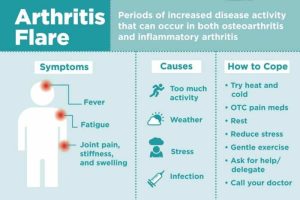
Chronic diseases are long-term conditions that require ongoing management and treatment. These conditions can have a significant impact on mental wellness, as the stress of dealing with a chronic illness can take a toll on one’s mental health.
Relationship between Chronic Diseases and Mental Wellness, How to cultivate resilience for mental wellness
Chronic diseases can increase the risk of developing mental health issues such as depression and anxiety. The constant management of symptoms, medical appointments, and lifestyle changes can be overwhelming and lead to feelings of stress, frustration, and hopelessness.
- Chronic diseases like diabetes, heart disease, and autoimmune disorders are often linked to higher rates of depression and anxiety.
- The emotional toll of living with a chronic illness can exacerbate symptoms and make it harder to cope with the challenges of everyday life.
- Individuals with chronic conditions may also experience social isolation, financial strain, and a decreased quality of life, all of which can impact mental resilience.
Managing Chronic Conditions for Mental Resilience
It is essential to prioritize self-care and seek support to cope with the emotional challenges of living with a chronic illness.
- Develop a strong support system of friends, family, and healthcare providers who can offer emotional support and practical assistance.
- Engage in stress-reducing activities such as mindfulness, meditation, and relaxation techniques to manage anxiety and improve mental well-being.
- Stay connected with others and participate in social activities to combat feelings of isolation and loneliness.
- Seek professional help from therapists or counselors to address any mental health concerns and learn coping strategies for managing the emotional impact of chronic illness.
Immunity Boosters
When it comes to mental wellness, boosting your immunity plays a crucial role in maintaining overall health and resilience. Immune-boosting foods and supplements can support your body in fighting off illnesses and enhancing your well-being.
Immune-Boosting Foods and Supplements
Consuming a diet rich in immune-boosting foods such as citrus fruits, bell peppers, garlic, ginger, and turmeric can provide essential vitamins and antioxidants to strengthen your immune system. Additionally, supplements like vitamin C, vitamin D, zinc, and probiotics can further support your body’s defense mechanisms.
Link Between Strong Immune System and Resilience
A strong immune system is closely linked to resilience as it helps your body cope with stress, fight off infections, and recover faster from illnesses. By maintaining a healthy immune system, you can better adapt to challenges and maintain a positive mental outlook.
Lifestyle Practices for Enhancing Immunity and Mental Health
- Get an adequate amount of sleep to allow your body to recharge and repair itself.
- Engage in regular physical exercise to boost circulation and overall health.
- Practice stress-reducing techniques such as meditation, yoga, or deep breathing exercises.
- Maintain a balanced diet rich in fruits, vegetables, whole grains, and lean proteins.
- Avoid smoking, excessive alcohol consumption, and unhealthy eating habits that can weaken your immune system.
Expert Answers
How can I start improving my mental wellness?
To begin enhancing your mental wellness, consider incorporating activities like meditation, exercise, and healthy eating into your daily routine. These practices can help boost your mood and overall well-being.
Is resilience something that can be developed over time?
Absolutely. Resilience is a skill that can be cultivated through various strategies like practicing self-care, seeking support from others, and reframing challenges as opportunities for growth.
Why is preventive care important for mental wellness?
Preventive care plays a crucial role in maintaining mental wellness by identifying potential issues early on and implementing strategies to prevent them from escalating. It focuses on proactive measures to support overall mental health.
Can a balanced diet really impact my mental resilience?
Yes, a balanced diet rich in nutrients can significantly impact your mental resilience by providing the necessary fuel for cognitive function and emotional well-being. Eating well-balanced meals can help regulate mood and support overall mental health.
How does physical fitness contribute to mental well-being?
Regular physical activity has been shown to boost mental well-being by reducing stress, improving mood, and increasing overall resilience. Engaging in exercise releases endorphins, which are known as “feel-good” hormones that can enhance your mental health.