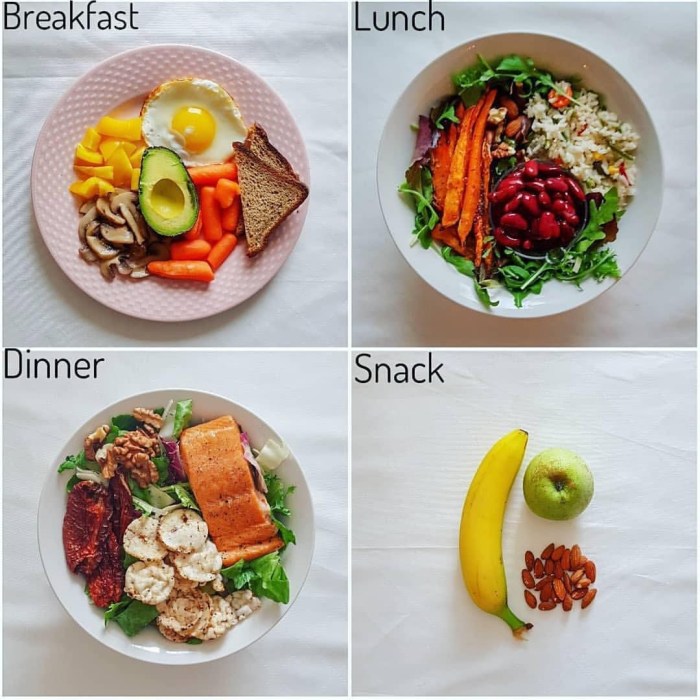
Balanced Diet Ideas for Healthy Breakfasts
Balanced diet ideas for healthy breakfasts – Starting your day with a balanced breakfast sets the tone for a day filled with energy and focus. By incorporating a variety of essential nutrients, you can ensure your body gets the fuel it needs to function optimally.
Examples of Nutrient-Rich Foods
When planning a balanced breakfast, consider including the following nutrient-rich foods:
- Eggs: a great source of protein and essential vitamins
- Whole grain toast: provides complex carbohydrates for sustained energy
- Greek yogurt: rich in protein and probiotics for gut health
- Avocado: a source of healthy fats and fiber
- Berries: packed with antioxidants and vitamins
Importance of Proteins, Carbohydrates, and Healthy Fats
Proteins help repair tissues and build muscle, carbohydrates provide energy, and healthy fats support brain function and heart health. Including these macronutrients in your breakfast helps maintain a balanced diet and supports overall well-being.
Benefits of a Balanced Breakfast, Balanced diet ideas for healthy breakfasts
A balanced breakfast can lead to improved concentration, better weight management, and increased energy levels throughout the day. By starting your morning with a mix of nutrients, you can support your body’s needs and set yourself up for success.
Mental Wellness
Eating a balanced breakfast is not only essential for physical health but also plays a crucial role in promoting mental wellness. The nutrients from a well-rounded breakfast can significantly impact cognitive function, mood regulation, and overall mental well-being.
Breakfast Foods for Cognitive Function and Mood Regulation
A breakfast rich in whole grains, fruits, vegetables, lean proteins, and healthy fats can provide the necessary nutrients to support cognitive function and mood regulation. Foods like oatmeal, berries, nuts, eggs, and yogurt are excellent choices to kickstart your day on a positive note.
- Whole grains like oatmeal are a great source of complex carbohydrates, which provide a steady release of energy to the brain throughout the morning.
- Berries, such as blueberries and strawberries, are packed with antioxidants that help protect the brain from oxidative stress and improve cognitive function.
- Nuts, like almonds and walnuts, are rich in omega-3 fatty acids, which are essential for brain health and mood regulation.
- Eggs are a good source of choline, a nutrient that plays a vital role in brain development and neurotransmitter function.
- Yogurt contains probiotics that support gut health, which is linked to improved mood and cognitive function.
Link Between Nutrition and Mental Health
Research has shown that a diet high in processed foods, sugar, and unhealthy fats can have a negative impact on mental health. On the other hand, a balanced diet that includes a variety of nutrient-dense foods has been associated with better mental well-being, reduced risk of mental health disorders, and improved cognitive function.
By choosing nutritious foods for breakfast, you are not only fueling your body but also nourishing your mind. Prioritizing a balanced breakfast can set a positive tone for the rest of the day, supporting your mental wellness in the long run.
Physical Fitness
A balanced breakfast plays a crucial role in enhancing physical fitness and boosting energy levels throughout the day. By starting your morning with a nutritious meal, you provide your body with the necessary fuel to tackle workouts and maintain an active lifestyle.
Breakfast Options for Workouts
- Egg and vegetable omelette: Packed with protein and nutrients, this breakfast option provides sustained energy for your workout.
- Greek yogurt with granola and berries: A combination of protein, fiber, and antioxidants to fuel your exercise routine.
- Whole grain toast with almond butter and banana slices: A great source of carbohydrates and healthy fats for energy.
Role of Breakfast in Muscle Recovery
Breakfast is essential for muscle recovery and maintenance after a workout. Consuming a balanced meal in the morning helps replenish glycogen stores and provides amino acids for muscle repair.
Healthy Eating
Starting the day with a balanced breakfast is crucial as it sets the tone for healthy eating habits throughout the day. A nutritious breakfast not only provides essential nutrients to fuel your body but also helps in regulating appetite and preventing overeating later on.
Tips for Creating a Nutritious Breakfast
- Include a good source of protein such as eggs, Greek yogurt, or nut butter to keep you full and satisfied.
- Incorporate fiber-rich foods like whole grains, fruits, and vegetables to support digestion and promote feelings of fullness.
- Avoid sugary cereals or pastries and opt for whole foods like oatmeal, smoothies, or whole grain toast for sustained energy levels.
- Don’t forget to hydrate by drinking water or herbal tea alongside your breakfast to kickstart your metabolism.
Impact of Breakfast Choices on Overall Dietary Patterns
Choosing a balanced and nutritious breakfast can positively impact your overall dietary patterns by setting a healthy tone for the rest of the day. It can lead to better food choices throughout the day, reduce cravings for unhealthy snacks, and provide a steady source of energy to support mental wellness and physical fitness goals.
Preventive Care: Balanced Diet Ideas For Healthy Breakfasts
Eating a balanced breakfast plays a crucial role in preventive care and disease prevention. The choices we make in the morning can have a significant impact on our overall health in the long run. Establishing a healthy breakfast routine can support preventive healthcare practices and contribute to better long-term health outcomes.
Importance of a Balanced Breakfast
Starting your day with a nutritious breakfast can help regulate your blood sugar levels, improve your metabolism, and provide essential nutrients for your body to function optimally. This sets a positive tone for the rest of the day and can help prevent various health issues down the line.
- Eating a balanced breakfast can help prevent overeating later in the day, reducing the risk of obesity and related conditions like diabetes and heart disease.
- Including protein, fiber, and healthy fats in your breakfast can keep you full and satisfied, reducing the likelihood of unhealthy snacking between meals.
- Consuming a variety of fruits, vegetables, whole grains, and lean proteins in the morning can boost your immune system and protect against chronic illnesses.
Breakfast Choices and Long-Term Health Outcomes
Your breakfast choices can impact your long-term health outcomes significantly. Opting for nutrient-dense foods over processed or sugary options can set the stage for a healthier future.
- Regularly consuming a balanced breakfast rich in vitamins, minerals, and antioxidants can lower the risk of developing conditions like cancer, hypertension, and osteoporosis.
- Avoiding high-sugar breakfast cereals, pastries, and sugary drinks can help prevent insulin resistance, inflammation, and other metabolic disorders over time.
- Incorporating whole foods and natural ingredients into your morning meal can promote gut health, digestive function, and overall well-being in the long term.
Supporting Preventive Healthcare Practices
Establishing a healthy breakfast routine is a proactive step towards supporting preventive healthcare practices and prioritizing your well-being.
- Making time for breakfast every morning can set a positive tone for the day, improving your mood, energy levels, and cognitive function throughout the day.
- Planning and preparing nutritious breakfast options in advance can help you make better food choices and avoid impulsive decisions that may negatively impact your health.
- Listening to your body’s hunger cues and fueling it with nourishing foods in the morning can promote a healthy relationship with food and prevent disordered eating habits in the future.
Regular Exercise
Regular exercise is a crucial component of a healthy lifestyle, complementing a balanced breakfast for optimal health and wellness. When combined with a nutritious breakfast, exercise can enhance overall physical fitness, mental well-being, and energy levels throughout the day.
Breakfast Options for Workout Performance
Consuming the right breakfast before a workout can significantly impact your performance and endurance. Some examples of breakfast options that can optimize workout performance include:
- Egg and vegetable omelette with whole grain toast
- Greek yogurt with berries and nuts
- Whole grain cereal with milk and sliced bananas
- Smoothie with protein powder, spinach, and almond butter
Impact of Breakfast on Physical Endurance and Recovery
Having a balanced breakfast influences physical endurance by providing essential nutrients and energy to fuel your workout. It also plays a vital role in post-exercise recovery by replenishing glycogen stores, repairing muscle tissues, and promoting muscle growth. Remember, breakfast is the foundation for a successful exercise routine and overall well-being.
Holistic Wellness
When it comes to achieving holistic wellness, a balanced breakfast plays a crucial role in setting the tone for the rest of the day. It not only provides essential nutrients for physical health but also impacts mental well-being and overall energy levels.
Incorporating Holistic Wellness Practices into Breakfast Routines
- Start your day with a glass of water to rehydrate your body and kickstart your metabolism.
- Include a variety of food groups in your breakfast such as whole grains, fruits, vegetables, lean proteins, and healthy fats to ensure a well-rounded meal.
- Practice mindful eating by savoring each bite, being present in the moment, and listening to your body’s hunger cues.
- Engage in a calming activity after breakfast, such as meditation or a short walk, to promote mental clarity and reduce stress.
Nutritious Breakfast and Overall Well-being
A nutritious breakfast not only fuels your body with essential nutrients but also has a positive impact on your overall well-being beyond just physical health. It can boost your mood, enhance cognitive function, and improve your focus throughout the day. By prioritizing a balanced breakfast, you are investing in your holistic wellness and setting a strong foundation for a healthy and fulfilling lifestyle.
Chronic Diseases
A balanced breakfast plays a crucial role in reducing the risk of chronic diseases by providing essential nutrients that support overall health and well-being. Making mindful choices in the morning can have a significant impact on preventing conditions such as heart disease, diabetes, and other chronic illnesses.
Heart Health
Breakfast foods that promote heart health include:
- Oatmeal: Rich in soluble fiber, which helps lower cholesterol levels.
- Berries: Packed with antioxidants that protect the heart from damage.
- Nuts and seeds: Good sources of healthy fats that support heart function.
Diabetes Management
For those managing diabetes, breakfast options that help stabilize blood sugar levels include:
- Whole grain toast with avocado: Provides fiber and healthy fats for balanced energy.
- Greek yogurt with almonds: Offers protein and good fats to prevent blood sugar spikes.
- Eggs with vegetables: High in protein and fiber to keep blood sugar steady.
Inflammation and Disease Progression
Choosing anti-inflammatory breakfast foods can help reduce inflammation in the body, which is linked to the progression of various chronic diseases. Examples of anti-inflammatory breakfast options include:
- Fatty fish like salmon: Contains omega-3 fatty acids that reduce inflammation.
- Turmeric smoothie: Incorporates the anti-inflammatory properties of turmeric.
- Green tea: Rich in antioxidants that combat inflammation and protect against disease.
Immunity Boosters
Maintaining a strong immune system is crucial for overall health and well-being. A balanced breakfast can play a significant role in boosting immunity and providing the necessary nutrients to keep illnesses at bay.
Immune-Boosting Foods for Breakfast
Including certain foods in your breakfast can help strengthen your immune system. Some examples of immune-boosting foods that can be incorporated into your morning meal are:
- Citrus fruits like oranges, grapefruits, and lemons that are rich in vitamin C, known for its immune-boosting properties.
- Yogurt and kefir containing probiotics that support gut health, which is closely linked to immune function.
- Almonds and sunflower seeds that are high in vitamin E, an antioxidant that helps protect cells from damage.
- Green leafy vegetables such as spinach and kale, packed with vitamins and minerals that support immune function.
Nutrition, Immunity, and Overall Health
Nutrition plays a vital role in supporting the immune system and overall health resilience. A well-balanced breakfast that includes a variety of nutrients like vitamins A, C, D, E, and minerals like zinc and selenium can help keep your immune system strong. Ensuring a diverse and colorful plate at breakfast can provide the necessary nutrients to support immune function and protect against infections and diseases.
Frequently Asked Questions
Can breakfast choices impact mental health?
Yes, a balanced breakfast can support cognitive function and mood regulation, positively influencing mental wellness.
How does breakfast affect physical fitness?
A balanced breakfast fuels workouts, enhances energy levels, and aids in muscle recovery and maintenance, contributing to overall physical fitness.
What role does breakfast play in preventive care?
Starting the day with a balanced breakfast can help prevent diseases in the long run by establishing healthy eating habits and supporting overall well-being.