Benefits of a Balanced Diet for Digestive Health
Maintaining a balanced diet is crucial for promoting optimal digestive health. By consuming a variety of nutrient-rich foods, you can support the functioning of your digestive system and prevent common issues like constipation and bloating.
Examples of Foods that Promote Good Digestive Health
- Fiber-rich foods such as fruits, vegetables, whole grains, and legumes help regulate bowel movements and prevent constipation.
- Probiotic-rich foods like yogurt, kefir, sauerkraut, and kimchi promote the growth of beneficial bacteria in the gut, improving digestion.
- Healthy fats from sources like avocados, nuts, and seeds support overall gut health and nutrient absorption.
How a Balanced Diet Prevents Digestive Issues
- By including a variety of foods in your diet, you can ensure that you are getting essential nutrients that support digestive function.
- Balanced meals help maintain a healthy gut microbiome, which plays a key role in digestion and nutrient absorption.
- Avoiding excessive consumption of processed foods and sugars can reduce the risk of gastrointestinal issues like bloating and discomfort.
Mental Wellness and Digestive Health
The connection between mental wellness and digestive health is often overlooked but extremely important. Our gut and brain are intricately connected through the gut-brain axis, which allows communication between the two. This means that our mental state can directly impact our digestive system and vice versa.
Stress and mental health issues can have a significant impact on digestion. When we are stressed or anxious, our body goes into fight or flight mode, which can slow down digestion, leading to issues like bloating, constipation, or diarrhea. Chronic stress can also weaken the immune system in the gut, making us more susceptible to digestive disorders like irritable bowel syndrome (IBS).
To improve mental wellness and enhance digestive health, it is essential to practice stress-reducing techniques. Some strategies include mindfulness meditation, deep breathing exercises, yoga, regular physical activity, and seeking support from a therapist or counselor. Taking time for self-care, getting enough sleep, and maintaining a healthy work-life balance are also crucial for overall well-being, including gut health.
Physical Fitness and Digestive Health: Benefits Of A Balanced Diet For Digestive Health
Regular physical activity plays a crucial role in maintaining a healthy digestive system. Exercise helps in improving digestion by increasing blood flow to the organs involved in the digestive process, promoting better nutrient absorption, and reducing the risk of constipation.
Role of Exercise in Improving Digestion
Regular exercise helps in stimulating the muscles of the digestive tract, aiding in the movement of food through the system. This movement prevents constipation and promotes regular bowel movements. Additionally, physical activity can help in reducing symptoms of bloating and gas by keeping the digestive system functioning efficiently.
- Brisk walking: Walking is a low-impact activity that can be easily incorporated into daily routine. It helps in promoting digestion by stimulating the muscles in the abdomen.
- Yoga: Yoga poses like twists and bends can help in massaging the digestive organs, improving digestion and reducing discomfort.
- Swimming: Swimming is a full-body workout that can help in improving overall digestion by increasing blood flow to the digestive system.
- Running: Running or jogging can help in promoting bowel regularity and reducing the risk of digestive issues like constipation.
Healthy Eating Habits for Digestive Health
Maintaining healthy eating habits is crucial for supporting optimal digestion and overall well-being. By incorporating key practices into your daily routine, you can promote good digestive health and prevent issues such as bloating, constipation, and indigestion.
Importance of Fiber, Hydration, and Portion Control
- Fiber: Including fiber-rich foods like fruits, vegetables, whole grains, and legumes in your diet can help regulate bowel movements and prevent constipation. Fiber also promotes the growth of beneficial gut bacteria, which is essential for a healthy digestive system.
- Hydration: Drinking an adequate amount of water throughout the day is vital for proper digestion. Water helps soften stool, making it easier to pass, and aids in the absorption of nutrients. Dehydration can lead to constipation and other digestive issues.
- Portion Control: Eating balanced meals in moderate portions can prevent overeating and reduce the risk of bloating and indigestion. Be mindful of your serving sizes and listen to your body’s hunger cues to avoid unnecessary strain on your digestive system.
Tips for Creating a Balanced Diet
- Include a variety of foods in your meals to ensure you are getting a wide range of nutrients essential for digestive health.
- Aim for regular mealtimes and avoid skipping meals, as this can disrupt your digestive process and lead to irregular bowel movements.
- Limit your intake of processed foods high in sugar, fat, and artificial additives, as these can negatively impact gut health and digestion.
- Incorporate fermented foods like yogurt, kefir, and sauerkraut into your diet to promote the growth of beneficial gut bacteria and support a healthy microbiome.
- Chew your food thoroughly and eat slowly to aid in the digestion process and prevent issues like bloating and gas.
Preventive Care for Digestive Health
Benefits of a balanced diet for digestive health – Preventive care plays a crucial role in maintaining optimal digestive health. By taking proactive steps to prevent digestive issues, individuals can avoid potential discomfort and serious conditions in the future.
Significance of Regular Check-ups and Screenings
Regular check-ups and screenings are essential for early detection of digestive issues. These preventive measures can help identify any problems at an early stage, allowing for timely intervention and treatment.
Lifestyle Changes for Long-term Prevention
- Follow a balanced diet rich in fiber to promote healthy digestion and prevent constipation.
- Stay hydrated by drinking an adequate amount of water daily to support smooth bowel movements.
- Avoid smoking and excessive alcohol consumption, as these habits can negatively impact digestive health.
- Incorporate regular exercise into your routine to stimulate digestion and maintain overall well-being.
- Manage stress effectively through relaxation techniques like meditation or yoga, as stress can exacerbate digestive issues.
Balanced Diet and Immunity Boosters
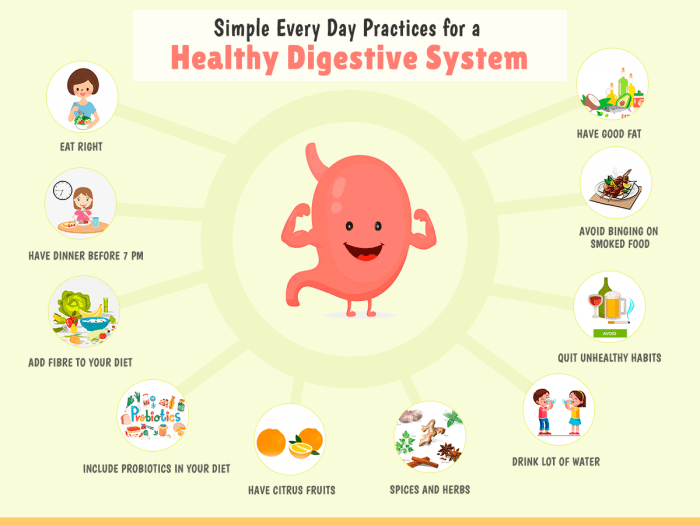
A balanced diet plays a crucial role in enhancing the immune system and supporting digestive health. By incorporating immunity-boosting foods into your meals, you not only strengthen your body’s defenses but also promote better digestion. Let’s delve into how specific nutrients and foods can benefit both immunity and digestive function.
Immunity-Boosting Foods for Digestive Health, Benefits of a balanced diet for digestive health
Consuming foods rich in vitamins, minerals, and antioxidants can significantly boost your immune system while also supporting healthy digestion. Some examples of immunity-boosting foods that are beneficial for your digestive health include:
- Probiotic-rich foods like yogurt, kefir, and sauerkraut promote a healthy gut flora, which is essential for proper digestion and immune function.
- Citrus fruits such as oranges, grapefruits, and lemons are packed with vitamin C, a powerful antioxidant that helps strengthen the immune system and aids in digestion.
- Leafy green vegetables like spinach, kale, and Swiss chard are high in vitamins A, C, and K, as well as fiber, supporting both immunity and digestive health.
- Ginger and turmeric have anti-inflammatory properties that can help reduce gut inflammation and improve overall digestive function, while also boosting immunity.
Role of Nutrients in Immunity and Digestive Health
Vitamins, minerals, and antioxidants play crucial roles in strengthening immunity and supporting digestive function. For instance, vitamin D is essential for immune regulation, while zinc helps maintain the integrity of the gut lining. Antioxidants like vitamin E and selenium protect cells from damage and support overall immune health.
Regular Exercise and Chronic Disease Prevention
Regular exercise plays a crucial role in preventing chronic diseases that can impact digestive health. By incorporating physical activity into your routine, you can reduce the risk of conditions like IBS, GERD, and colon cancer, promoting overall well-being.
Impact of Physical Activity on Digestive Health Conditions
- Exercise helps regulate bowel movements and improve digestion, reducing symptoms of Irritable Bowel Syndrome (IBS).
- Regular physical activity can help manage symptoms of Gastroesophageal Reflux Disease (GERD) by promoting weight loss and reducing acid reflux.
- Studies have shown that individuals who engage in consistent exercise have a lower risk of developing colon cancer, highlighting the preventive benefits of staying active.
Guidelines for Incorporating Exercise into a Healthy Lifestyle
- Aim for at least 150 minutes of moderate-intensity exercise per week, such as brisk walking, cycling, or swimming.
- Include strength training exercises at least two days a week to improve muscle mass and overall fitness, which can support digestive health.
- Find activities that you enjoy to make exercise a sustainable habit, whether it’s yoga, dancing, or team sports.
Mental Health Strategies for Holistic Wellness
Maintaining mental health is crucial for achieving holistic wellness, including digestive health. The mind-body connection plays a significant role in how our digestive system functions. When we are stressed or anxious, it can impact our digestion, leading to issues like bloating, indigestion, or even irritable bowel syndrome. Therefore, incorporating strategies to reduce stress and improve mental well-being is essential for supporting digestive health.
Stress Reduction Techniques
- Practice mindfulness and meditation to calm the mind and reduce stress levels.
- Engage in regular physical activity, such as yoga or walking, to release tension and promote relaxation.
- Ensure an adequate amount of sleep to rejuvenate the mind and body, aiding in stress management.
- Seek social support from friends, family, or a therapist to express emotions and receive guidance during challenging times.
User Queries
How does stress affect digestive health?
Stress can lead to digestive issues like bloating and constipation by disrupting the normal functioning of the digestive system.
What are some examples of immunity-boosting foods for digestive health?
Foods like yogurt, kefir, garlic, ginger, and leafy greens can boost immunity and also support digestive health.
Why is fiber important for digestive health?
Fiber helps in regulating bowel movements, preventing constipation, and maintaining a healthy gut microbiome.