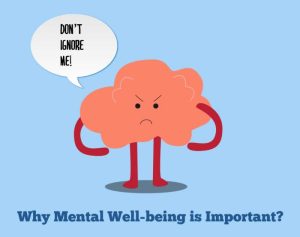
Mental Wellness
Maintaining good mental health is crucial for seniors as it plays a significant role in their overall well-being. Seniors who prioritize their mental wellness often experience improved quality of life and better physical health.
Strategies for Good Mental Health
- Stay physically active: Regular exercise can boost mood and reduce feelings of anxiety and depression.
- Engage in social activities: Connecting with friends, family, or joining community groups can combat feelings of isolation.
- Practice mindfulness and relaxation techniques: Meditation, deep breathing exercises, and yoga can help reduce stress and promote mental clarity.
- Stay mentally stimulated: Engage in activities that challenge the brain such as puzzles, crosswords, or learning a new skill.
- Seek professional help: If needed, don’t hesitate to reach out to a therapist or counselor for support.
Relationship between Mental Wellness and Overall Well-being
Maintaining good mental health directly impacts a senior’s overall well-being. It can enhance cognitive function, improve sleep quality, strengthen immune system, and reduce the risk of chronic diseases. Prioritizing mental wellness can lead to a happier, more fulfilling life in the senior years.
Physical Fitness
Regular physical activity is crucial for seniors as it offers a wide range of benefits that can improve overall health and quality of life. Exercise helps maintain independence, reduces the risk of chronic diseases, enhances mood, and promotes better sleep.
Benefits of Physical Fitness for Seniors
- Improves cardiovascular health and reduces the risk of heart disease
- Strengthens muscles and bones, reducing the risk of osteoporosis
- Enhances flexibility, balance, and coordination, lowering the risk of falls
- Boosts mood and mental well-being, reducing the risk of depression and anxiety
Low-Impact Exercises for Seniors
- Walking: A simple and effective way to stay active
- Swimming: Gentle on the joints and offers a full-body workout
- Yoga: Improves flexibility, strength, and balance
- Tai Chi: Promotes relaxation, balance, and coordination
Improving Strength and Flexibility in Older Adults, Regular exercise tips for seniors
Regular exercise, especially strength training and stretching, can help seniors improve their muscle strength and flexibility. This can lead to better mobility, reduced joint pain, and enhanced overall quality of life. It is important to start slowly and gradually increase the intensity of exercise to prevent injury and maximize the benefits of physical fitness.
Healthy Eating
Eating a well-balanced and nutritious diet plays a crucial role in maintaining the overall health of seniors. Proper nutrition can help prevent chronic diseases, boost the immune system, and improve overall quality of life for older adults.
Tips for Creating a Balanced and Nutritious Diet
- Include a variety of fruits and vegetables in your meals to ensure you are getting a good mix of vitamins and minerals.
- Opt for whole grains like brown rice, whole wheat bread, and oats over refined grains for added fiber and nutrients.
- Include lean protein sources such as poultry, fish, beans, and nuts in your diet to support muscle health and repair.
- Limit saturated fats and trans fats found in fried foods, processed snacks, and baked goods to reduce the risk of heart disease.
- Stay hydrated by drinking plenty of water throughout the day to support digestion, nutrient absorption, and overall bodily functions.
Impact of Nutrition on Energy Levels and Vitality
Proper nutrition is essential for seniors to maintain optimal energy levels and vitality. A diet rich in vitamins, minerals, and antioxidants can help combat fatigue, improve cognitive function, and enhance overall well-being. By fueling your body with the right nutrients, you can feel more energized, focused, and ready to take on the day.
Preventive Care
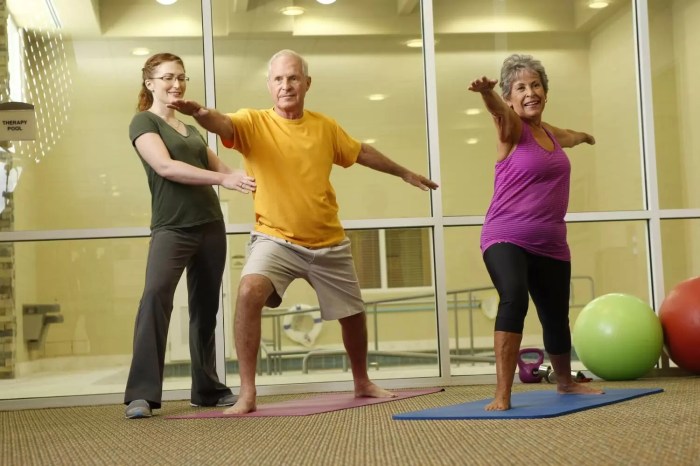
Regular preventive care is essential for seniors to maintain their overall health and well-being. By taking proactive measures, older adults can prevent potential health issues and detect any problems early on, leading to better outcomes and quality of life.
Importance of Preventive Care
Preventive care plays a crucial role in helping seniors stay healthy and active as they age. It involves taking steps to prevent illnesses, injuries, and other health problems before they occur or worsen. By focusing on preventive measures, seniors can reduce the risk of developing chronic conditions and maintain their independence for longer.
- Stay up to date on vaccinations to prevent infections and diseases.
- Regular physical activity to maintain strength, flexibility, and balance.
- Follow a balanced diet rich in nutrients to support overall health.
- Avoid smoking and limit alcohol consumption to reduce the risk of chronic diseases.
- Practice good hygiene and handwashing to prevent infections.
Role of Regular Check-ups and Screenings
Regular check-ups and screenings are an integral part of preventive care for older adults. These appointments allow healthcare providers to monitor seniors’ health status, detect any potential issues early, and provide timely interventions to prevent complications.
- Annual physical exams to assess overall health and identify any changes or concerns.
- Blood pressure screenings to monitor cardiovascular health and prevent heart disease.
- Cholesterol screenings to evaluate the risk of heart disease and stroke.
- Bone density tests to assess the risk of osteoporosis and fractures.
- Colonoscopies and mammograms for early detection of colon and breast cancer.
Balanced Diet
Maintaining a balanced diet is crucial for seniors to ensure they receive the necessary nutrients for overall health and well-being. A balanced diet consists of a variety of foods that provide essential vitamins, minerals, and nutrients to support the body’s functions and prevent age-related health issues.
Essential Foods for Seniors
- Leafy greens: Spinach, kale, and other leafy greens are rich in antioxidants, vitamins, and minerals that support brain health and reduce the risk of chronic diseases.
- Lean protein: Chicken, fish, beans, and tofu are excellent sources of protein that help maintain muscle mass and support bone health.
- Whole grains: Brown rice, quinoa, and whole wheat bread provide fiber, vitamins, and minerals essential for digestive health and energy levels.
- Dairy or dairy alternatives: Milk, yogurt, and fortified plant-based milk offer calcium and vitamin D for strong bones and teeth.
- Fruits and vegetables: Berries, citrus fruits, and colorful vegetables provide a range of nutrients and antioxidants to boost the immune system and reduce inflammation.
Benefits of a Balanced Diet
Regular exercise tips for seniors – A balanced diet plays a vital role in preventing age-related health issues by supporting overall health and reducing the risk of chronic conditions such as heart disease, diabetes, and osteoporosis. By incorporating a variety of nutrient-dense foods into their meals, seniors can maintain energy levels, cognitive function, and a healthy weight.
Regular Exercise
Regular exercise is crucial for seniors as it offers a wide range of physical and mental health benefits. Staying active can help maintain muscle strength, flexibility, and balance, reducing the risk of falls and injuries. It also promotes cardiovascular health, improves mood, and enhances cognitive function.
Creating a Safe and Effective Exercise Routine
- Consult with a healthcare provider before starting any new exercise program to ensure it is safe for your individual health needs.
- Choose activities that you enjoy and that are suitable for your fitness level, such as walking, swimming, or gentle yoga.
- Start slowly and gradually increase the intensity and duration of your workouts to avoid overexertion.
- Include a mix of cardiovascular, strength training, and flexibility exercises in your routine for overall fitness.
- Listen to your body and make adjustments as needed to prevent discomfort or injury.
Impact on Longevity and Quality of Life
Regular physical activity has been linked to increased longevity and a higher quality of life in seniors. Studies have shown that staying active can help prevent chronic conditions such as heart disease, diabetes, and osteoporosis. It also boosts mood, reduces stress, and improves sleep quality, contributing to overall well-being and vitality in older adults.
Mental Health
As seniors age, mental health becomes a vital component of their overall well-being. The connection between mental health and physical health is undeniable, and addressing mental health issues is crucial for a healthy and fulfilling life in older adults.
Strategies for Promoting Good Mental Health
- Engage in social activities: Regular interaction with friends and family can help combat feelings of loneliness and isolation.
- Stay physically active: Exercise not only benefits physical health but also releases endorphins that elevate mood and reduce stress.
- Practice mindfulness and relaxation techniques: Meditation, deep breathing exercises, and yoga can help reduce anxiety and improve mental clarity.
- Maintain a healthy diet: Eating nutritious foods can support brain health and overall well-being.
- Seek professional help when needed: It’s important to reach out to healthcare providers or mental health professionals if experiencing persistent feelings of sadness, anxiety, or other mental health concerns.
Importance of Addressing Mental Health Issues in Seniors
Ignoring mental health issues in the elderly population can lead to a decline in cognitive function, increased risk of physical health problems, and reduced quality of life. By prioritizing mental health, seniors can enjoy a happier and healthier life in their golden years.
Holistic Wellness
Holistic wellness is an approach that considers the whole person, including their mental, physical, emotional, and spiritual well-being. For seniors, this approach is particularly relevant as it addresses the interconnected nature of health and how various aspects of life can impact overall well-being.
Benefits of Holistic Approach for Seniors
- Improves overall quality of life by focusing on multiple aspects of health.
- Promotes a sense of balance and harmony in mind, body, and spirit.
- Enhances resilience and coping mechanisms for managing stress and challenges.
- Supports healthy aging by addressing mental, emotional, and physical needs simultaneously.
Holistic Wellness Practices for Seniors
- Engage in regular physical activity such as yoga, tai chi, or gentle exercises to promote physical health and flexibility.
- Practice mindfulness and meditation to cultivate mental clarity, reduce stress, and enhance emotional well-being.
- Eat a balanced diet rich in fruits, vegetables, whole grains, and lean proteins to nourish the body and support overall health.
- Stay socially connected with friends, family, and community members to foster a sense of belonging and combat feelings of isolation.
- Explore holistic therapies such as acupuncture, massage, or aromatherapy to address specific health concerns and promote relaxation.
Chronic Diseases
Chronic diseases are long-term health conditions that often worsen over time and can significantly impact the quality of life for seniors. These diseases typically require ongoing medical attention and management to control symptoms and prevent complications.
Common Chronic Diseases in Seniors
- Heart Disease: A leading cause of death among seniors, heart disease includes conditions such as coronary artery disease, heart failure, and arrhythmias.
- Diabetes: Seniors are at higher risk for type 2 diabetes, which can lead to serious complications like heart disease, kidney failure, and nerve damage.
- Arthritis: Osteoarthritis and rheumatoid arthritis are common in older adults, causing joint pain, stiffness, and reduced mobility.
- Osteoporosis: This condition weakens bones, increasing the risk of fractures and falls, especially in postmenopausal women.
Managing Chronic Conditions with Regular Exercise and Healthy Habits
Regular exercise plays a crucial role in managing chronic diseases in seniors. Physical activity can help improve cardiovascular health, maintain joint flexibility, control blood sugar levels, and strengthen bones. Additionally, adopting healthy habits such as eating a balanced diet, staying hydrated, getting enough rest, and avoiding smoking can further support disease management.
Preventive Measures to Reduce Risk of Chronic Diseases in Old Age
- Maintain a healthy weight through proper diet and exercise to reduce the risk of heart disease, diabetes, and other obesity-related conditions.
- Monitor blood pressure and cholesterol levels regularly to detect and manage hypertension and high cholesterol, which are risk factors for heart disease.
- Get recommended vaccinations to prevent illnesses like influenza, pneumonia, and shingles, which can be more severe in seniors with chronic conditions.
- Stay active mentally and socially to reduce the risk of cognitive decline and depression, which are common in older adults with chronic diseases.
Immunity Boosters: Regular Exercise Tips For Seniors
Having a strong immune system is crucial for seniors as it helps protect their bodies against illnesses and infections.
Natural Ways to Boost Immunity
- Include plenty of fruits and vegetables in your diet as they are rich in vitamins and antioxidants that support the immune system.
- Stay hydrated by drinking enough water throughout the day to help flush out toxins and keep your immune system functioning properly.
- Get regular exercise to improve circulation and boost the immune system.
- Get an adequate amount of sleep each night to allow your body to rest and repair, which is essential for a strong immune system.
Role of Diet, Exercise, and Lifestyle Choices
Your diet plays a significant role in strengthening your immune system. Consuming a balanced diet rich in nutrients can help support your body’s natural defense mechanisms. Regular exercise not only improves overall health but also helps boost immunity by promoting good circulation and reducing inflammation. Making healthy lifestyle choices such as avoiding smoking, limiting alcohol consumption, and managing stress can also contribute to a stronger immune system in seniors.
Popular Questions
How often should seniors engage in regular exercise?
Seniors should aim for at least 150 minutes of moderate-intensity exercise per week, as recommended by health guidelines.
Are there specific exercises seniors should avoid?
Seniors with certain health conditions should consult a healthcare provider before engaging in high-impact activities like running or heavy weightlifting.
Can seniors start a new exercise routine if they haven’t been active?
It’s advisable for seniors to start slow and gradually increase the intensity of their workouts to prevent injuries and build stamina.