Benefits of Nature for Mental Health
Spending time in nature has been shown to have numerous positive impacts on mental wellness. The calming effect of natural surroundings can help reduce stress, anxiety, and depression, leading to improved overall mental health.
Activities in Nature
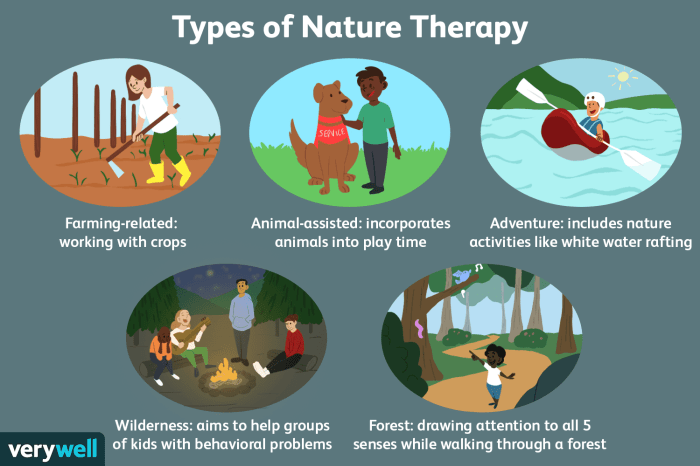
Engaging in activities such as hiking, gardening, birdwatching, or simply taking a walk in the park can be beneficial for mental health. These activities allow individuals to connect with nature, breathe fresh air, and experience a sense of peace and tranquility.
Connection with Stress Reduction
Being in nature can help reduce levels of cortisol, the stress hormone, in the body. The sights and sounds of nature have a soothing effect on the mind, promoting relaxation and reducing feelings of tension. Studies have shown that spending time in natural environments can lower blood pressure and improve mood, ultimately leading to a decrease in stress levels.
Mental Wellness
Nature plays a vital role in enhancing mental wellness by providing a sense of calm and tranquility that can significantly impact overall well-being. Being in natural surroundings has been proven to promote relaxation, reduce anxiety, and improve mental health in various ways.
Promotion of Relaxation
Exposure to natural environments, such as forests, parks, or gardens, can help individuals unwind and de-stress. The sights, sounds, and smells of nature have a soothing effect on the mind, allowing people to relax and rejuvenate. This relaxation not only reduces immediate stress levels but also contributes to long-term mental well-being.
Reduction of Anxiety
Spending time in green spaces has been linked to a decrease in anxiety levels. The calming influence of nature can help individuals feel more at ease and less overwhelmed by everyday stressors. Whether it’s a walk in the park or simply sitting by a tree, the presence of nature can provide a sense of peace and tranquility that is beneficial for mental health.
Psychological Benefits
Research has shown that exposure to green spaces can have a positive impact on mental health by reducing symptoms of depression and anxiety. The natural environment stimulates the brain in a way that promotes feelings of happiness and well-being. Additionally, being in nature encourages physical activity, social interactions, and a connection to the natural world, all of which contribute to improved mental wellness.
Physical Fitness: Benefits Of Nature For Mental Health
Engaging in outdoor activities not only benefits mental health but also contributes to improving physical fitness. The connection between nature and physical exercise plays a vital role in maintaining overall health and well-being.
Outdoor Exercises to Boost Fitness Levels
- Hiking: Trekking through trails and up mountains not only provides a good cardiovascular workout but also strengthens muscles and improves endurance.
- Cycling: Riding a bike outdoors not only helps with cardiovascular health but also works on leg muscles and enhances balance and coordination.
- Trail Running: Running on natural terrains like forest paths or mountain trails offers a great full-body workout, improving cardiovascular fitness and muscle strength.
- Kayaking: Paddling through rivers or lakes not only provides an upper body workout but also helps in improving core strength and stability.
- Outdoor Yoga: Practicing yoga in natural settings like parks or beaches enhances flexibility, strength, and mindfulness, combining physical and mental benefits.
Healthy Eating
Benefits of nature for mental health – Being close to nature can greatly influence healthy eating habits. The availability of fresh produce and the connection to where the food comes from can inspire individuals to make better choices when it comes to their diet.
Benefits of Consuming Fresh Produce
Consuming fresh produce from nature has numerous benefits for mental health. Fruits and vegetables are rich in vitamins, minerals, and antioxidants that can help improve mood and reduce symptoms of anxiety and depression.
- Fresh produce can boost serotonin levels in the brain, which can promote feelings of well-being and happiness.
- Antioxidants found in fruits and vegetables can help reduce inflammation in the brain, which is linked to mood disorders.
- The fiber in plant-based foods can support gut health, which has been linked to improved mental health.
Connection Between Natural Diet and Mental Well-being
A natural diet, consisting of whole foods that come from nature, has been linked to improved mental well-being. By avoiding processed foods and focusing on fresh, whole ingredients, individuals can support their mental health in the following ways:
- Improved cognitive function and focus due to the high nutrient content of natural foods.
- Reduced risk of developing mental health disorders such as depression and anxiety.
- Better regulation of mood and emotions due to stable blood sugar levels from whole foods.
Preventive Care
Nature-based activities play a crucial role in preventive care for mental health by providing a holistic approach to wellness and promoting overall well-being. Interacting with nature can help reduce stress, anxiety, and depression, which are key factors in preventing more serious mental health issues.
Examples of Preventive Measures
- Regular nature walks or hikes can improve mood and reduce feelings of isolation, ultimately preventing the onset of mental health conditions.
- Engaging in outdoor group activities, such as gardening or camping, fosters social connections and a sense of community, which can act as a protective factor against mental health challenges.
- Practicing mindfulness in natural settings, like meditating in a park or by the beach, can enhance self-awareness and emotional regulation, contributing to better mental health outcomes.
Role of Nature in Creating a Supportive Environment
Nature provides a supportive environment for mental health prevention by offering a sense of calmness, tranquility, and connection to the natural world. This connection can help individuals build resilience, cope with everyday stressors, and maintain a positive outlook on life.
Balanced Diet
Incorporating natural foods into our diet is essential for maintaining a balanced and healthy lifestyle. Nature offers a wide variety of food options that are not only nutritious but also beneficial for our mental health and overall well-being. By consuming a balanced diet from nature, we can improve our mental wellness, physical fitness, and prevent various health issues.
The Importance of Natural Foods for Mental Health Benefits
Consuming natural foods such as fruits, vegetables, whole grains, nuts, and seeds can have a positive impact on our mental health. These foods are rich in essential nutrients like vitamins, minerals, and antioxidants that support brain function and help regulate mood.
How Nature Can Offer a Variety of Food Options for a Balanced Diet
Nature provides us with a diverse range of foods that are essential for a balanced diet. From fresh fruits and vegetables to lean proteins like fish and poultry, natural foods offer a wealth of nutrients that are necessary for our overall well-being.
The Positive Impact of a Balanced Diet from Nature on Overall Well-Being
When we consume a balanced diet from nature, we not only nourish our bodies but also support our mental and emotional health. The nutrients found in natural foods help boost our immune system, improve our energy levels, and enhance our cognitive function, leading to a healthier and happier life.
Regular Exercise
Regular exercise is crucial for maintaining physical fitness and overall well-being. Engaging in outdoor activities in nature can significantly encourage individuals to establish and adhere to regular exercise routines. The natural beauty and peaceful environment of outdoor settings can serve as powerful motivators for people to stay active and incorporate exercise into their daily lives.
Motivational Aspects of Natural Settings, Benefits of nature for mental health
- Nature provides a refreshing and revitalizing backdrop for physical activities, making exercise more enjoyable and engaging.
- The diverse landscapes and scenic views in natural environments can inspire individuals to explore and engage in various forms of physical activities such as hiking, cycling, or running.
- The sense of freedom and connection to nature that outdoor settings offer can boost motivation and enthusiasm for maintaining an active lifestyle.
Enhancing the Experience of Regular Physical Activity
- Exercising in nature can help reduce stress, anxiety, and depression, leading to a more positive and fulfilling exercise experience.
- The fresh air and abundant natural light in outdoor settings can enhance mood and energy levels, encouraging individuals to exercise for longer durations.
- Engaging in physical activities in natural surroundings can provide a sense of accomplishment and satisfaction, further motivating individuals to continue their regular exercise routines.
Holistic Wellness
Nature plays a crucial role in achieving holistic wellness by forming a connection between mental health, physical fitness, and overall well-being. The interconnectedness of these elements creates a harmonious balance that contributes to a healthier and happier lifestyle.
The Role of Nature in Holistic Wellness
- Natural environments provide a sense of tranquility and calmness, which can reduce stress levels and improve mental clarity.
- Exposure to nature encourages physical activity such as walking, hiking, or cycling, leading to better physical fitness and overall health.
- The concept of holistic well-being emphasizes the importance of addressing mental, emotional, and physical aspects of health simultaneously, all of which can be nurtured by spending time in natural settings.
Chronic Diseases
Exposure to nature has been shown to have positive effects on managing chronic diseases. Natural settings offer therapeutic benefits that can help individuals with chronic conditions improve their overall well-being. Nature-based interventions can complement traditional treatments for chronic diseases, providing a holistic approach to healthcare.
Benefits of Nature for Managing Chronic Diseases
- Nature promotes relaxation and stress reduction, which can be beneficial for individuals with chronic conditions such as hypertension and heart disease.
- Being in nature can boost mood and mental health, which is important for managing chronic illnesses like depression and anxiety disorders.
- Physical activity in natural environments can improve cardiovascular health, respiratory function, and overall fitness levels in individuals with chronic diseases like diabetes and obesity.
Immunity Boosters
Spending time in nature can have a significant impact on boosting immunity and overall health. Natural environments offer a variety of benefits that can strengthen the body’s defense mechanisms and help prevent illnesses.
Impact of Nature on Immune System
Natural environments, such as forests, mountains, and bodies of water, are rich in phytoncides, essential oils, and other natural substances that can positively influence the immune system. These elements help increase the activity of white blood cells, which play a crucial role in fighting off infections and diseases.
- Nature exposure can reduce stress levels, which in turn can enhance the body’s immune response. Lower stress levels lead to lower levels of cortisol, a hormone that can suppress the immune system.
- Spending time outdoors exposes the body to beneficial bacteria, such as Mycobacterium vaccae, which can help regulate the immune system and reduce inflammation.
- Fresh air and sunlight found in natural settings can boost the production of Vitamin D in the body, which is essential for a strong immune system.
Role in Preventing Illnesses
The immune-boosting effects of nature can help prevent a wide range of illnesses, including common colds, flu, and chronic diseases. By enhancing the body’s defense mechanisms, individuals are better equipped to fight off pathogens and maintain overall health.
- Regular exposure to nature has been linked to a lower risk of respiratory infections, cardiovascular diseases, and autoimmune disorders.
- Natural environments can support a balanced immune response, reducing the likelihood of allergic reactions and inflammatory conditions.
Strengthening Body’s Defense Mechanisms
Engaging with nature through activities like hiking, gardening, or simply spending time outdoors can strengthen the body’s defense mechanisms in various ways. These activities promote overall wellness and contribute to a healthier immune system.
- Physical activities in nature, such as walking or jogging, can improve circulation, enhance respiratory function, and stimulate the production of endorphins, all of which support immune function.
- Exposure to natural elements like soil and plants can diversify the microbiome, the collection of microorganisms in the body that plays a crucial role in immune health.
FAQ Summary
Can spending time in nature really improve mental health?
Yes, spending time in nature has been shown to positively impact mental health by reducing stress, anxiety, and promoting relaxation.
How does nature contribute to preventive care for mental health?
Nature-based activities can serve as preventive care measures by providing a supportive environment and opportunities for mental health promotion.
What are some examples of outdoor exercises that can boost fitness levels?
Outdoor exercises like hiking, cycling, and gardening can improve physical fitness while connecting individuals with nature.