Mental Wellness
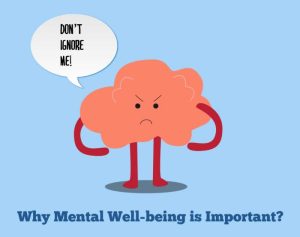
Chronic pain not only affects the physical body but also has a significant impact on mental well-being. Managing mental wellness is crucial in coping with chronic pain and improving overall quality of life.
Holistic Approaches to Improve Mental Well-Being
- Practicing mindfulness meditation to help manage stress and reduce anxiety levels.
- Engaging in therapy or counseling sessions to address emotional challenges and develop coping strategies.
- Incorporating regular physical exercise to release endorphins, which can improve mood and reduce the perception of pain.
- Participating in relaxation techniques such as deep breathing exercises or yoga to promote relaxation and reduce muscle tension.
Positive Impact of Mental Wellness on Chronic Pain Management
- Reduced perception of pain: By improving mental well-being, individuals may experience a decrease in the intensity of pain they feel.
- Enhanced coping mechanisms: Building resilience through mental wellness practices can help individuals better cope with the challenges of living with chronic pain.
- Improved overall quality of life: When mental health is prioritized, individuals can experience a better sense of well-being and satisfaction in their daily lives despite dealing with chronic pain.
Physical Fitness
Regular physical activity plays a crucial role in managing chronic pain and promoting holistic wellness. By incorporating different types of exercises into your routine, you can alleviate pain, improve mobility, and enhance overall well-being.
Types of Exercises for Chronic Pain Relief
- Low-impact aerobic exercises: Activities like walking, swimming, or cycling help strengthen muscles, improve circulation, and reduce pain.
- Strength training: Building muscle mass can support joints and alleviate the strain on them, leading to reduced pain.
- Flexibility exercises: Stretching routines can enhance range of motion, decrease stiffness, and relieve discomfort in chronic pain conditions.
- Yoga and Pilates: These mind-body practices focus on breathing, mindfulness, and gentle movements to improve posture, balance, and pain management.
Benefits of Regular Physical Activity
Regular physical activity contributes to holistic wellness for chronic pain by:
- Releasing endorphins: Exercise triggers the release of endorphins, the body’s natural painkillers, which can help reduce pain perception.
- Improving circulation: Enhanced blood flow to the affected areas can promote healing, reduce inflammation, and alleviate pain symptoms.
- Strengthening muscles: Stronger muscles provide better support to the body’s structure, reducing the likelihood of pain and injuries.
- Boosting mood: Physical activity can improve mental health, reduce stress, anxiety, and depression, which are often associated with chronic pain conditions.
Healthy Eating
Proper nutrition plays a crucial role in managing chronic pain as it can help reduce inflammation and improve overall well-being. By incorporating specific foods into your diet, you can effectively alleviate pain and discomfort associated with chronic conditions.
Foods that Reduce Inflammation
- Fatty fish such as salmon, sardines, and mackerel are rich in omega-3 fatty acids which have anti-inflammatory properties.
- Berries like blueberries, cherries, and strawberries are packed with antioxidants that help reduce inflammation.
- Leafy green vegetables such as spinach, kale, and collard greens contain nutrients that fight inflammation and promote healing.
- Nuts and seeds like almonds, walnuts, and flaxseeds are high in healthy fats and antioxidants that can reduce inflammation.
The Connection Between Diet and Chronic Pain Management
Eating a well-balanced and nutritious diet can have a profound impact on managing chronic pain. A healthy diet can help control inflammation, boost energy levels, support the immune system, and improve overall mood and mental well-being. By avoiding processed foods, sugary snacks, and excessive amounts of caffeine, individuals with chronic pain can experience significant improvements in their symptoms and quality of life.
Preventive Care
Chronic pain management can greatly benefit from a proactive approach to preventive care. By focusing on prevention, individuals can reduce the likelihood of experiencing severe pain episodes and improve their overall quality of life.
Importance of Preventive Care
Preventive care plays a crucial role in managing chronic pain by addressing potential triggers and risk factors before they escalate into more serious issues. By adopting holistic wellness practices, individuals can take proactive measures to prevent the onset or worsening of chronic pain conditions.
- Engage in regular physical activity to maintain flexibility and strengthen muscles, which can help reduce the risk of musculoskeletal pain.
- Practice stress-reducing techniques such as meditation, yoga, or deep breathing exercises to alleviate tension and prevent stress-related pain.
- Follow a balanced and nutritious diet to support overall health and reduce inflammation, which is often linked to chronic pain conditions.
- Ensure proper posture and body mechanics to prevent strain on muscles and joints, reducing the risk of pain from poor ergonomics.
Balanced Diet
Maintaining a balanced diet is crucial for overall health and well-being, especially when it comes to managing chronic pain. A balanced diet consists of a variety of nutrients that provide the body with the necessary fuel to function optimally and support the healing process.
Tips for Creating a Well-Rounded Diet
- Include a variety of fruits and vegetables in your daily meals to ensure you are getting essential vitamins, minerals, and antioxidants.
- Incorporate lean proteins such as poultry, fish, tofu, and legumes to support muscle health and repair.
- Choose whole grains like quinoa, brown rice, and whole wheat bread to provide sustained energy and fiber for digestion.
- Limit processed foods, sugary snacks, and beverages high in added sugars to reduce inflammation and support overall health.
- Stay hydrated by drinking plenty of water throughout the day to help flush out toxins and keep your body functioning optimally.
Importance of Maintaining a Balanced Diet, Benefits of holistic wellness for chronic pain
A balanced diet plays a significant role in managing chronic pain by reducing inflammation, supporting immune function, and promoting overall wellness. Nutrient-dense foods can help alleviate symptoms associated with chronic pain conditions and improve quality of life. By prioritizing a well-rounded diet, individuals can better manage their pain and support their overall health and well-being.
Regular Exercise
Regular exercise is crucial for individuals dealing with chronic pain. While it may seem counterintuitive to move when in pain, exercise actually offers numerous benefits for managing chronic pain and improving overall well-being. Consistent physical activity can help reduce pain levels, increase flexibility, strengthen muscles, and enhance mood.
Benefits of Regular Exercise for Chronic Pain
- Reduces pain perception and improves pain tolerance
- Increases blood flow to the muscles, promoting healing
- Helps maintain a healthy weight, reducing strain on joints
- Boosts the release of endorphins, the body’s natural painkillers
- Improves sleep quality, which is essential for pain management
Guidelines for Safe and Effective Exercise Routines
Before starting any exercise program, consult with a healthcare provider or a physical therapist to ensure it is safe and appropriate for your condition.
- Start slowly and gradually increase intensity
- Choose low-impact exercises like swimming, walking, or yoga
- Focus on strengthening and stretching exercises to improve flexibility
- Listen to your body and stop if you experience pain beyond your normal level
Improving Overall Well-being through Consistent Physical Activity
Regular exercise not only helps manage pain but also has a positive impact on mental health and overall well-being. By incorporating physical activity into your daily routine, you can experience increased energy levels, improved mood, better stress management, and enhanced quality of life.
Mental Health: Benefits Of Holistic Wellness For Chronic Pain
Chronic pain can have a significant impact on mental health, leading to conditions such as anxiety, depression, and stress. The constant discomfort and limitations imposed by chronic pain can take a toll on one’s emotional well-being, creating a cycle where pain exacerbates mental health issues, and vice versa.
Connection between Mental Health and Chronic Pain
- Chronic pain can trigger emotional responses: The experience of persistent pain can lead to feelings of frustration, hopelessness, and helplessness, contributing to anxiety and depression.
- Mental health conditions can worsen pain perception: Conditions like anxiety and depression can lower pain tolerance, making the sensation of pain more intense and challenging to manage.
- Impact of stress on pain levels: High levels of stress can exacerbate pain symptoms, leading to increased discomfort and decreased quality of life.
Strategies for Promoting Mental Well-being
- Therapeutic interventions: Cognitive-behavioral therapy (CBT) and mindfulness techniques can help individuals cope with chronic pain by addressing negative thought patterns and promoting relaxation.
- Support networks: Building a strong support system of friends, family, or support groups can provide emotional encouragement and understanding during challenging times.
- Physical activity: Regular exercise releases endorphins, which are natural painkillers, and can improve mood and mental well-being.
- Healthy lifestyle habits: Engaging in activities that bring joy and relaxation, such as hobbies, meditation, or spending time in nature, can help reduce stress and improve mental health.
- Professional help: Seeking help from mental health professionals like therapists or counselors can provide valuable tools and strategies for managing mental health alongside chronic pain.
Holistic Wellness

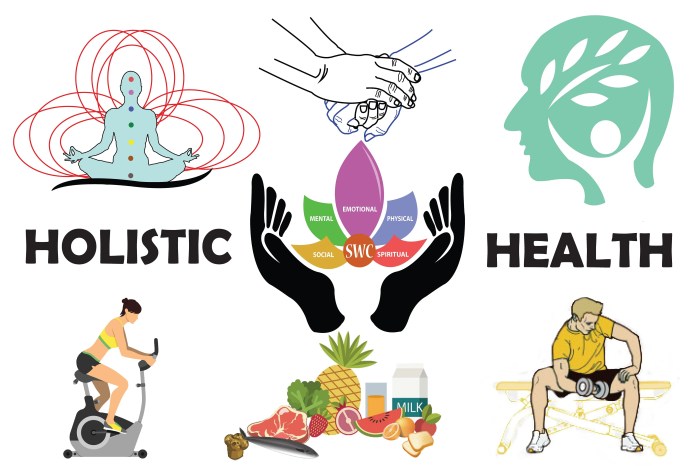
Holistic wellness is an approach that considers the whole person, including their physical, mental, emotional, and spiritual well-being. When it comes to addressing chronic pain, holistic wellness focuses on treating the root cause of the pain rather than just the symptoms.
Examples of Holistic Practices
- Acupuncture: This traditional Chinese medicine practice involves inserting thin needles into specific points on the body to promote energy flow and relieve pain.
- Yoga: Practicing yoga can help improve flexibility, strength, and posture, which can all contribute to reducing chronic pain.
- Meditation: Mindfulness meditation can help individuals manage their pain by reducing stress and promoting relaxation.
- Massage Therapy: Massage can help relax muscles, improve circulation, and reduce tension, providing relief from chronic pain.
Comprehensive Relief with Holistic Approach
Adopting a holistic approach to chronic pain can lead to comprehensive relief by addressing not only the physical aspects but also the emotional and mental factors that may be contributing to the pain. By incorporating practices such as yoga, meditation, and acupuncture alongside traditional treatments, individuals can experience a more well-rounded approach to managing and reducing chronic pain.
Chronic Diseases
Chronic diseases are long-lasting conditions that often require ongoing medical attention and management. These conditions can range from heart disease and diabetes to arthritis and autoimmune disorders, among others.
Relationship Between Chronic Diseases and Chronic Pain
Chronic diseases are often associated with chronic pain due to the persistent nature of the conditions. For example, individuals with arthritis may experience joint pain on a daily basis, while those with fibromyalgia may suffer from widespread pain throughout their bodies. The presence of chronic diseases can exacerbate pain symptoms and significantly impact an individual’s quality of life.
Managing Chronic Diseases Holistically to Improve Pain Symptoms
By taking a holistic approach to managing chronic diseases, individuals can address not only the physical symptoms but also the mental and emotional aspects of their conditions. This may involve incorporating lifestyle changes, such as stress management techniques, mindfulness practices, and complementary therapies like acupuncture or massage therapy. By treating the whole person and not just the disease itself, individuals can experience a reduction in pain symptoms and an improvement in overall well-being.
Impact of Holistic Wellness on Individuals with Coexisting Chronic Conditions
For individuals with coexisting chronic conditions, holistic wellness can offer a comprehensive and integrated approach to managing their health. By focusing on preventive care, balanced nutrition, regular exercise, and mental health support, individuals can better manage their conditions and reduce the impact of symptoms like pain. Holistic wellness can empower individuals to take control of their health and improve their quality of life despite the challenges of living with chronic diseases.
Immunity Boosters
Benefits of holistic wellness for chronic pain – Immunity boosters play a crucial role in managing chronic pain by strengthening the body’s defense system and reducing the risk of infections and inflammation.
Natural Immunity-Boosting Remedies
- Garlic: Known for its antimicrobial properties, garlic can help boost the immune system and reduce inflammation.
- Ginger: Rich in antioxidants, ginger can help fight off infections and reduce pain and inflammation.
- Turmeric: Contains curcumin, which has anti-inflammatory and antioxidant properties, helping to boost immunity and reduce pain.
- Vitamin C: Found in fruits like oranges and kiwi, Vitamin C helps strengthen the immune system and reduce oxidative stress.
Importance of a Strong Immune System
A strong immune system can contribute to better pain management by reducing inflammation, fighting off infections, and promoting overall well-being. By incorporating immunity boosters into your diet and lifestyle, you can support your body’s natural defense mechanisms and improve your quality of life.
Key Questions Answered
How important is mental wellness in managing chronic pain?
Mental wellness plays a crucial role in chronic pain management as it can influence pain perception and overall well-being.
What types of exercises can help alleviate chronic pain?
Exercises like yoga, swimming, and walking are known to be beneficial for chronic pain relief.
How does a balanced diet impact chronic pain?
A balanced diet can reduce inflammation, provide essential nutrients, and support overall well-being in managing chronic pain effectively.
What is the significance of preventive care for chronic pain management?
Preventive care strategies can help in avoiding chronic pain issues before they worsen, leading to better long-term outcomes.