Mental Wellness
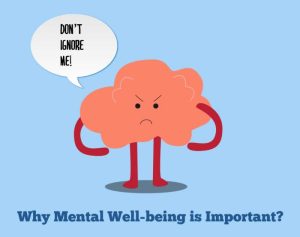
Maintaining mental wellness is crucial for overall health, including digestion. The mind-body connection plays a significant role in how our digestive system functions. When we are stressed or anxious, it can impact our digestion, leading to issues like indigestion, bloating, or changes in bowel movements.
Mindfulness Practices
Practicing mindfulness can help improve digestion by reducing stress and promoting relaxation. Examples of mindfulness practices include deep breathing exercises, meditation, yoga, and mindful eating. These practices can help calm the mind and body, allowing for better digestion to take place.
Stress and Digestive Issues
Chronic stress can have a negative impact on digestion by increasing inflammation in the gut, affecting the balance of bacteria in the digestive tract, and slowing down the digestive process. This can lead to conditions like irritable bowel syndrome (IBS) or acid reflux. Managing stress through mindfulness techniques and stress-reducing activities can help alleviate digestive issues and promote better overall health.
Physical Fitness
Regular physical activity plays a crucial role in promoting better digestion. Exercise helps stimulate the muscles in the digestive tract, leading to more efficient movement of food through the system. It also aids in reducing stress levels, which can have a positive impact on digestion.
Specific Exercises for Digestive Health
- Breathing exercises: Deep breathing techniques can help relax the abdominal muscles and improve overall digestion.
- Cardiovascular exercises: Activities like running, swimming, or cycling can increase blood flow to the digestive system, enhancing its function.
- Core strengthening exercises: Building a strong core can support better posture and reduce the likelihood of digestive issues.
Benefits of Yoga or Pilates for Digestion
- Yoga: Certain yoga poses, such as twists and forward bends, can help massage the internal organs and improve digestion.
- Pilates: Pilates focuses on core strength and stability, which can lead to better posture and optimal digestion.
Healthy Eating
Holistic wellness practices for better digestion – When it comes to promoting good digestion, healthy eating plays a crucial role. Consuming the right foods can help maintain a healthy digestive system and prevent issues like bloating, constipation, and indigestion.
The Role of Fiber in Promoting Good Digestion
Fiber is essential for good digestion as it helps regulate bowel movements and prevents constipation. It also promotes the growth of beneficial bacteria in the gut, which aids in digestion.
- Whole grains such as oats, brown rice, and quinoa
- Fruits like apples, berries, and bananas
- Vegetables such as broccoli, spinach, and carrots
Foods that Aid Digestion
Eating certain foods can help improve digestion and overall gut health. These foods are easy to digest and can reduce the risk of digestive issues.
- Yogurt: Contains probiotics that promote the growth of healthy bacteria in the gut.
- Ginger: Known for its anti-inflammatory properties and ability to relieve digestive discomfort.
- Lean proteins: Foods like chicken, turkey, and fish are easier to digest compared to fatty meats.
The Importance of Hydration for Digestive Health
Staying hydrated is essential for good digestion as it helps soften stool and move waste through the digestive system. Dehydration can lead to constipation and other digestive issues.
- Drink plenty of water throughout the day to support optimal digestion.
- Herbal teas like peppermint or chamomile can also aid digestion and keep you hydrated.
Preventive Care
Preventive care plays a crucial role in maintaining digestive wellness by addressing potential issues before they escalate. By incorporating certain practices into your routine, you can effectively prevent digestive problems and promote overall gut health.
Tips for Maintaining a Healthy Gut
- Avoid processed foods and sugar, as they can disrupt the balance of good bacteria in your gut.
- Incorporate probiotics and prebiotics into your diet to support a healthy gut microbiome.
- Stay hydrated and consume an adequate amount of fiber to promote regular bowel movements.
- Manage stress levels through relaxation techniques, as stress can negatively impact digestion.
Importance of Regular Health Check-ups, Holistic wellness practices for better digestion
Regular health check-ups are essential for digestive wellness as they help in early detection of any potential issues or abnormalities. By monitoring your digestive health through routine check-ups, you can address any concerns promptly and prevent more serious conditions from developing.
Balanced Diet
Eating a balanced diet is crucial for maintaining good digestive health. It involves consuming a variety of nutrients in appropriate proportions to support the overall functioning of the digestive system.
Essential Nutrients for Digestion
A balanced diet for digestive health should include essential nutrients such as:
- Fiber: Helps regulate bowel movements and promotes a healthy digestive system.
- Probiotics: Good bacteria that support gut health and aid in digestion.
- Water: Essential for digestion and absorption of nutrients.
- Healthy fats: Support the absorption of fat-soluble vitamins and aid in digestion.
- Proteins: Important for muscle contractions in the digestive tract and enzyme production.
Impact of Processed Foods
Processed foods, which are often high in sugar, unhealthy fats, and artificial additives, can have a negative impact on digestion. They are typically low in fiber and essential nutrients, leading to poor digestion and gastrointestinal issues. Consuming processed foods regularly can disrupt the balance of gut bacteria and contribute to inflammation in the digestive tract, affecting overall digestive health negatively.
Regular Exercise
Regular exercise plays a crucial role in improving digestion and overall gut health. By incorporating movement into our daily routines, we can experience a wide range of benefits that positively impact our digestive system.
Benefits of Regular Exercise for Digestion
Regular exercise helps to stimulate the muscles in the digestive tract, promoting more efficient digestion and reducing the likelihood of constipation. Physical activity also helps to increase blood flow to the organs involved in digestion, ensuring that nutrients are effectively absorbed and waste is efficiently eliminated.
- Improves gut motility: Exercise helps to speed up the movement of food through the digestive system, preventing issues like bloating and indigestion.
- Reduces stress: Physical activity can help to lower stress levels, which is essential for maintaining a healthy gut as stress can negatively impact digestion.
- Boosts metabolism: Regular exercise can increase metabolic rate, leading to better digestion and nutrient absorption.
- Enhances overall gut health: By promoting a diverse microbiome and reducing inflammation, exercise supports a healthy gut environment.
Relationship Between Sedentary Lifestyle and Digestive Issues
A sedentary lifestyle, characterized by long periods of sitting and little physical activity, can have detrimental effects on digestion. Lack of movement can slow down the digestive process, leading to issues like bloating, constipation, and heartburn. Additionally, a sedentary lifestyle is often associated with poor dietary choices, further exacerbating digestive problems.
- Decreased gut motility: Sitting for extended periods can contribute to sluggish digestion and a higher risk of gastrointestinal issues.
- Weight gain: Inactivity can lead to weight gain, which is linked to an increased risk of digestive disorders like acid reflux and irritable bowel syndrome.
- Impaired nutrient absorption: Without regular movement, the body may struggle to absorb nutrients effectively, leading to deficiencies and digestive issues.
- Inflammation: A sedentary lifestyle can contribute to systemic inflammation, which can impact gut health and exacerbate digestive conditions.
Mental Health
Mental health plays a crucial role in digestive health as the mind-body connection is strong and can significantly impact the digestive system. Stress, anxiety, depression, and other mental health conditions can have adverse effects on digestion.
Connection between Mental Health and Digestive Health
- Stress and Anxiety: High levels of stress and anxiety can lead to digestive issues such as indigestion, bloating, and stomach pain.
- Depression: Depression can slow down the digestive process, causing constipation and other gastrointestinal problems.
- Eating Disorders: Conditions like anorexia nervosa or bulimia can disrupt the normal functioning of the digestive system.
Strategies for Improving Mental Well-being to Support Digestion
- Practice Mindfulness: Engage in mindfulness meditation or deep breathing exercises to reduce stress and promote relaxation.
- Seek Therapy: Therapy sessions with a mental health professional can help in managing and coping with mental health conditions effectively.
- Regular Exercise: Physical activity releases endorphins that can improve mood and reduce symptoms of anxiety and depression.
- Healthy Diet: Consuming a balanced diet rich in fruits, vegetables, whole grains, and lean proteins can support both mental and digestive health.
Holistic Wellness: Holistic Wellness Practices For Better Digestion
Holistic wellness focuses on treating the whole person, including the mind, body, and spirit, rather than just the symptoms of a particular ailment. When it comes to digestion, a holistic approach considers not only what we eat but also how we eat, our stress levels, and overall lifestyle habits that can impact our digestive health.
Benefits of a Holistic Approach
- Improved digestion: By addressing underlying issues such as stress, inflammation, and nutrient deficiencies, a holistic approach can help improve overall digestive function.
- Enhanced nutrient absorption: By focusing on a balanced diet, proper hydration, and stress management, holistic practices can optimize nutrient absorption in the digestive tract.
- Reduced digestive discomfort: Holistic approaches often include techniques such as mindful eating, probiotic-rich foods, and herbal remedies to alleviate symptoms like bloating, gas, and indigestion.
Integration of Mind, Body, and Spirit
- Mind: Practices like mindfulness meditation, deep breathing exercises, and stress management techniques can help reduce stress-related digestive issues like irritable bowel syndrome (IBS) and acid reflux.
- Body: Regular exercise, adequate hydration, and a balanced diet rich in fiber, fruits, and vegetables can support overall digestive health and promote regular bowel movements.
- Spirit: Engaging in activities that bring joy, practicing gratitude, and fostering positive relationships can have a profound impact on digestion by reducing emotional stress and promoting a sense of well-being.
Chronic Diseases
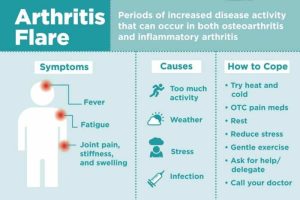
Chronic diseases can significantly impact digestion in various ways. Conditions such as diabetes, cardiovascular disease, and autoimmune disorders can lead to digestive issues like bloating, constipation, diarrhea, and nutrient malabsorption.
Managing Chronic Conditions for Digestive Wellness
Chronic disease management is crucial for maintaining digestive wellness. Properly controlling conditions through medication, lifestyle changes, and regular medical check-ups can help lessen the severity of digestive symptoms and improve overall gut health.
- Consistent medication adherence is essential to prevent flare-ups that can worsen digestive problems.
- Following a nutrient-rich diet tailored to the specific chronic condition can support digestive function and reduce inflammation.
- Engaging in stress-reducing activities like yoga, meditation, or deep breathing exercises can help manage symptoms and improve digestion.
Tips for Individuals with Chronic Diseases to Support Digestion
Individuals with chronic diseases can take certain steps to support their digestion and overall gut health.
- Stay hydrated by drinking an adequate amount of water throughout the day to aid digestion.
- Incorporate probiotic-rich foods like yogurt, kefir, and sauerkraut to promote a healthy gut microbiome.
- Avoid trigger foods that exacerbate digestive issues, such as high-fat or spicy foods, as recommended by healthcare providers.
Immunity Boosters
Immunity plays a crucial role in maintaining good digestion. A strong immune system helps protect the gut from harmful pathogens, reduces inflammation, and promotes the growth of beneficial bacteria in the digestive tract.
Immune-Boosting Foods for Digestive Health
- Probiotic-rich foods such as yogurt, kefir, sauerkraut, and kimchi help maintain a healthy balance of gut bacteria, which is essential for digestion and overall immunity.
- Prebiotic foods like garlic, onions, bananas, and asparagus act as food for the beneficial bacteria in the gut, promoting their growth and enhancing digestive health.
- Antioxidant-rich foods such as berries, leafy greens, and nuts help reduce inflammation in the gut, supporting proper digestion and boosting the immune system.
- Omega-3 fatty acids found in fatty fish, flaxseeds, and walnuts have anti-inflammatory properties that can benefit gut health and strengthen immunity.
Lifestyle Habits for Enhanced Immunity and Digestion
- Regular exercise not only helps improve digestion but also boosts the immune system by promoting circulation and reducing inflammation.
- Getting an adequate amount of sleep is crucial for both immunity and digestion, as the body repairs and regenerates during restful sleep.
- Managing stress through practices like mindfulness, yoga, and deep breathing can help support a healthy immune response and prevent digestive issues caused by stress.
- Staying hydrated by drinking plenty of water throughout the day supports digestion and helps the immune system function optimally.
Essential Questionnaire
How does mental wellness influence digestion?
Mental wellness can affect digestion by impacting stress levels, which can lead to digestive issues like bloating and discomfort.
What role does fiber play in promoting good digestion?
Fiber aids digestion by adding bulk to the stool, promoting regular bowel movements and overall gut health.
How can preventive care help prevent digestive problems?
Regular health check-ups and maintaining a healthy gut through proper diet and lifestyle choices can prevent digestive issues from arising.