Mental Wellness
Maintaining mental health is crucial when living with chronic diseases as it can impact overall well-being and quality of life. It is important to address the emotional aspects of dealing with a chronic condition in order to manage it effectively.
Strategies for Maintaining a Positive Mindset
- Practice mindfulness and meditation to stay present and reduce stress.
- Engage in activities that bring joy and relaxation, such as hobbies or spending time in nature.
- Connect with a support system of friends, family, or a support group to share experiences and feelings.
- Set realistic goals and celebrate small victories to stay motivated.
Role of Therapy and Counseling
Therapy and counseling can provide a safe space to explore emotions, develop coping skills, and work through challenges related to chronic illness.
- Therapists can help individuals navigate the emotional impact of their condition and develop healthy coping mechanisms.
- Counseling can provide tools to manage stress, anxiety, and depression that may arise from living with a chronic disease.
- Group therapy or support groups can offer a sense of community and understanding from others facing similar struggles.
Physical Fitness
Regular physical activity plays a crucial role in the overall well-being of individuals living with chronic diseases. It not only helps in managing the symptoms of the disease but also improves quality of life and reduces the risk of other health complications.
Low-Impact Exercises for Chronic Conditions
- Walking: A simple and effective way to stay active without putting too much strain on the body.
- Swimming: Great for cardiovascular health and muscle strength, while being gentle on the joints.
- Cycling: Provides a good workout for the lower body and can be done at your own pace.
- Yoga: Helps improve flexibility, balance, and relaxation, which can be beneficial for managing stress and pain.
Impact of Physical Fitness on Well-being and Disease Management
Regular physical fitness routines have been shown to improve mood, boost energy levels, and enhance overall quality of life for individuals with chronic diseases. It can also help in managing weight, reducing inflammation, and improving cardiovascular health. By incorporating low-impact exercises into daily routines, individuals can experience better disease management and an improved sense of well-being.
Healthy Eating
Eating a balanced diet is crucial for individuals living with chronic diseases as it plays a significant role in managing symptoms and improving overall quality of life. Proper nutrition can help in controlling blood sugar levels, maintaining a healthy weight, reducing inflammation, and boosting energy levels.
Tips for Healthy Meal Planning
- Include a variety of fruits and vegetables in your meals to ensure you are getting essential vitamins, minerals, and antioxidants.
- Opt for whole grains like brown rice, quinoa, and whole wheat bread over refined grains for added fiber and nutrients.
- Choose lean protein sources such as chicken, fish, beans, and tofu to support muscle health and keep you feeling full longer.
- Limit processed foods, sugary drinks, and excessive salt intake to reduce the risk of complications associated with chronic diseases.
- Stay hydrated by drinking plenty of water throughout the day and limit consumption of sugary beverages.
Nutrition and Symptom Management
Nutrition plays a vital role in managing symptoms of chronic diseases. For example, individuals with diabetes can benefit from monitoring carbohydrate intake to control blood sugar levels. Similarly, those with heart disease can reduce cholesterol levels by incorporating heart-healthy fats like avocado and nuts into their diet. By focusing on nutrient-dense foods and maintaining a well-balanced diet, individuals can alleviate symptoms and improve their overall well-being.
Preventive Care
Regular medical check-ups and screenings are crucial for individuals living with chronic diseases. These routine appointments play a vital role in managing the condition effectively and preventing complications.
Importance of Regular Check-ups
How to live well with chronic diseases – Regular check-ups allow healthcare providers to monitor the progression of the chronic disease and make necessary adjustments to the treatment plan. These appointments also help in early detection of any potential issues or complications that may arise.
Early Detection Strategies
Early detection is key in preventing complications associated with chronic diseases. Through screenings and tests, healthcare professionals can identify any changes in the condition or development of new health concerns at an early stage. This timely intervention can lead to better outcomes and improved quality of life for individuals with chronic illnesses.
Significance of Proactive Healthcare
Proactive healthcare involves taking steps to prevent health problems before they occur. By staying on top of regular check-ups, screenings, and following the recommended treatment plan, individuals can better manage their chronic conditions and reduce the risk of complications. Proactive healthcare empowers individuals to take control of their health and make informed decisions about their well-being.
Balanced Diet
Maintaining a balanced diet is crucial for individuals living with chronic diseases as it can help manage symptoms, prevent complications, and improve overall quality of life. A balanced diet consists of a variety of nutrients that support physical health and mental well-being.
Components of a Balanced Diet
A balanced diet includes a mix of macronutrients (carbohydrates, proteins, and fats) and micronutrients (vitamins and minerals). Each nutrient plays a specific role in supporting the body’s functions and overall health. For individuals with chronic diseases, specific components of a balanced diet are essential to managing their condition effectively.
- Carbohydrates: Complex carbohydrates like whole grains, fruits, and vegetables provide sustained energy levels and fiber for digestive health.
- Proteins: Lean sources of protein such as poultry, fish, beans, and nuts help build and repair tissues, support immune function, and maintain muscle mass.
- Fats: Healthy fats from sources like avocados, nuts, seeds, and olive oil are important for brain health, hormone production, and nutrient absorption.
- Vitamins and Minerals: Essential vitamins like vitamin C, vitamin D, and minerals like calcium and iron play a key role in supporting immune function, bone health, and overall well-being.
Food Groups in a Balanced Diet Plan
Incorporating a variety of food groups into a balanced diet plan can provide a range of nutrients necessary for managing chronic diseases and promoting overall health.
Examples of food groups to include:
- Fruits and Vegetables: Rich in vitamins, minerals, and antioxidants that support immune function and reduce inflammation.
- Whole Grains: Good sources of fiber, vitamins, and minerals that help regulate blood sugar levels and promote heart health.
- Lean Proteins: Essential for tissue repair, muscle maintenance, and overall health.
- Dairy or Dairy Alternatives: Important for calcium and vitamin D intake, crucial for bone health and strength.
- Healthy Fats: Found in sources like fatty fish, nuts, and seeds, these fats support brain function and heart health.
Impact of a Balanced Diet
Consuming a balanced diet has a significant impact on energy levels, overall health outcomes, and the management of chronic diseases. By providing the body with essential nutrients, a balanced diet can help reduce fatigue, improve immune function, regulate blood sugar levels, and support overall well-being. Additionally, a balanced diet can aid in weight management, reduce inflammation, and lower the risk of complications associated with chronic diseases.
Regular Exercise
Regular exercise plays a crucial role in the management of chronic diseases, offering a wide range of benefits that can significantly improve overall well-being. Consistent physical activity can help individuals with chronic conditions strengthen their body, manage symptoms, and enhance their quality of life.
Benefits of Regular Exercise
Regular exercise can:
- Improve cardiovascular health and circulation
- Enhance muscle strength and flexibility
- Help maintain a healthy weight
- Reduce stress and anxiety levels
- Boost energy and mood
Creating an Exercise Regimen
When creating an exercise regimen tailored to specific health needs, consider:
- Consulting with a healthcare provider or a certified fitness trainer to develop a safe and effective plan
- Choosing low-impact activities like walking, swimming, or yoga for gentle but effective workouts
- Setting realistic goals and gradually increasing the intensity and duration of exercise sessions
- Listening to your body and adjusting the regimen as needed to avoid overexertion
Enhancing Disease Management, How to live well with chronic diseases
Consistent physical activity can enhance disease management by:
- Improving blood sugar control in individuals with diabetes
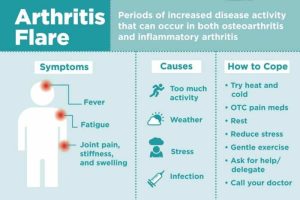
- Reducing inflammation and joint pain in individuals with arthritis
- Strengthening the immune system and reducing the risk of infections
- Supporting mental health and cognitive function
Mental Health
Living with a chronic disease can take a toll on a person’s mental health. The constant physical symptoms, pain, and limitations can lead to feelings of anxiety, depression, and stress. It is important to address the emotional impact of chronic conditions to maintain overall well-being.
Relationship between Mental Health and Chronic Diseases
Mental health and chronic diseases are closely interconnected. The stress and emotional burden of managing a chronic illness can exacerbate symptoms and impact one’s quality of life. Additionally, conditions like depression and anxiety can actually worsen the physical symptoms of chronic diseases.
Coping Mechanisms for Emotional Impact
- Practice mindfulness and relaxation techniques such as deep breathing, meditation, and yoga to reduce stress and anxiety.
- Seek support from friends, family, or a therapist to talk about your feelings and emotions related to your chronic condition.
- Engage in activities you enjoy and that bring you a sense of fulfillment to boost your mood and outlook on life.
- Stay connected with support groups or online communities of individuals who are also living with chronic diseases to share experiences and advice.
Resources for Mental Health Support
- Consider therapy or counseling to work through emotional challenges and develop coping strategies specific to your situation.
- Explore self-help books, podcasts, or online resources that focus on mental health and well-being for individuals with chronic diseases.
- Practice self-care activities such as journaling, spending time in nature, or engaging in hobbies that bring you joy and relaxation.
- Utilize hotlines or crisis helplines for immediate support during times of emotional distress or crisis.
Holistic Wellness: How To Live Well With Chronic Diseases
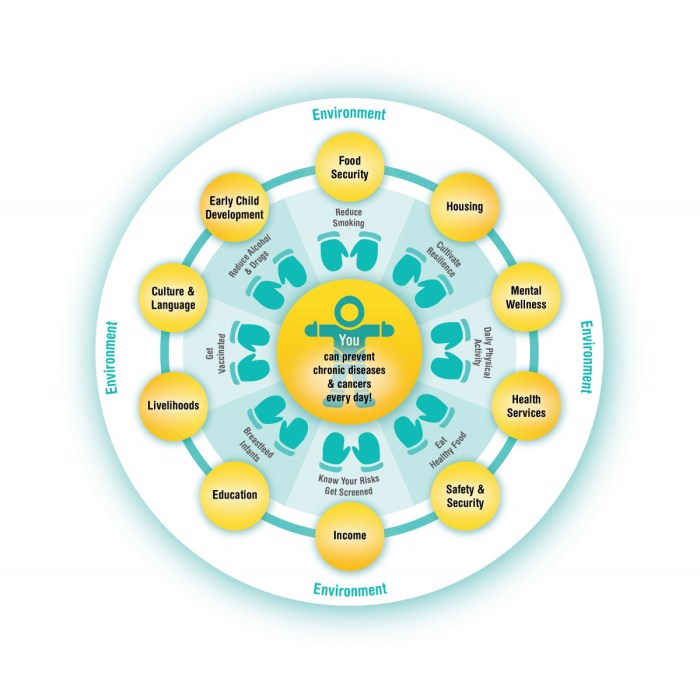
Living well with chronic diseases involves more than just managing physical symptoms. Holistic wellness focuses on treating the whole person, addressing physical, mental, and emotional well-being to achieve overall health.
Integrative Approaches
Integrative approaches to holistic wellness combine various aspects of health to create a comprehensive strategy for disease management:
- Physical Well-being: Incorporating regular exercise, balanced diet, and preventive care to maintain optimal physical health.
- Mental Well-being: Addressing stress, anxiety, and depression through therapy, mindfulness practices, and support networks.
- Emotional Well-being: Cultivating positive relationships, engaging in hobbies, and practicing self-care to nurture emotional health.
Benefits of Holistic Approach
Adopting a holistic approach to health and disease management offers various benefits:
- Comprehensive Care: Addressing multiple aspects of well-being ensures a more thorough and effective treatment plan.
- Improved Quality of Life: By focusing on overall wellness, individuals can experience a better quality of life despite chronic health conditions.
- Enhanced Resilience: Building resilience through holistic practices can help individuals cope better with the challenges of chronic diseases.
- Long-term Health Benefits: Holistic approaches promote long-term health benefits by supporting overall well-being and reducing the risk of complications.
Chronic Diseases

Chronic diseases are long-term health conditions that require ongoing management and care. These illnesses typically do not have a cure and can impact a person’s daily life significantly. Common chronic diseases include diabetes, heart disease, arthritis, asthma, and hypertension, among others.
Managing Chronic Conditions Through Lifestyle Changes
- Engage in regular physical activity to improve overall health and manage symptoms.
- Follow a balanced diet rich in fruits, vegetables, whole grains, and lean proteins to support your body’s needs.
- Avoid smoking and limit alcohol consumption to reduce the risk of complications.
- Get regular check-ups and screenings to monitor your condition and catch any changes early.
- Practice stress management techniques such as mindfulness, meditation, or yoga to improve mental well-being.
Importance of Disease Education and Self-Management
- Educating yourself about your specific chronic condition can help you better understand how to manage it effectively.
- Self-management involves taking an active role in your health care, following treatment plans, and making informed decisions.
- Support groups and resources are available to provide guidance and encouragement for individuals living with chronic diseases.
- By being proactive and staying informed, you can improve your quality of life and reduce the impact of chronic illnesses on your daily routine.
- Garlic: Known for its antimicrobial properties, garlic can help fight off infections and boost immune function.
- Vitamin C: Found in fruits like oranges and strawberries, vitamin C is essential for immune health and can reduce the severity of colds and flu.
- Echinacea: This herb is believed to stimulate the immune system and reduce the duration of colds.
- Probiotics: Beneficial bacteria found in probiotic-rich foods like yogurt can support gut health and strengthen the immune system.
- Regular Exercise: Engaging in physical activity can boost circulation, reduce inflammation, and enhance immune function.
- Healthy Diet: Consuming a balanced diet rich in fruits, vegetables, whole grains, and lean proteins provides essential nutrients for immune support.
- Adequate Sleep: Getting enough rest is crucial for immune function, as lack of sleep can weaken the body’s defenses.
- Stress Management: Chronic stress can suppress the immune system, so incorporating relaxation techniques like meditation or yoga can help reduce stress levels.
Immunity Boosters
Immunity boosters play a crucial role in supporting individuals with chronic diseases by strengthening their immune system and reducing the risk of infections. Incorporating natural remedies, supplements, and healthy lifestyle practices can significantly improve immune health and overall well-being.
Natural Remedies and Supplements
Lifestyle Practices for Immune Health
Common Queries
How can I maintain a positive mindset while dealing with chronic conditions?
Engage in activities you enjoy, practice mindfulness, seek support from loved ones or a therapist, and focus on things you can control.
What are some low-impact exercises suitable for people with chronic diseases?
Walking, swimming, gentle yoga, tai chi, and water aerobics are excellent low-impact exercises that can benefit individuals with chronic conditions.
How does nutrition play a role in managing symptoms of chronic diseases?
A balanced diet rich in fruits, vegetables, whole grains, lean proteins, and healthy fats can help manage symptoms, boost energy levels, and improve overall health outcomes.
Why is early detection important in preventing complications related to chronic diseases?
Early detection allows for timely intervention and treatment, potentially preventing the progression of the disease and reducing the risk of complications.
What are some natural immunity boosters that can support individuals with chronic diseases?
Vitamin C, zinc, echinacea, garlic, and probiotics are natural immunity boosters that can help strengthen the immune system and reduce susceptibility to infections.