Mental Wellness
Promoting mental well-being is crucial for individuals with chronic diseases as it can significantly impact their overall quality of life. Providing emotional support and implementing coping strategies are essential in managing the emotional toll of chronic conditions. Mindfulness and meditation can also play a key role in improving mental health by reducing stress and anxiety.
Strategies for Promoting Mental Well-Being
- Encourage open communication and provide a safe space for your loved one to express their feelings.
- Offer practical help with daily tasks to alleviate stress and reduce feelings of overwhelm.
- Engage in activities together that bring joy and relaxation, such as gentle exercise or hobbies.
- Ensure they have access to mental health resources and professional support when needed.
Importance of Emotional Support
- Emotional support from family and friends can help individuals feel understood and less isolated in their journey.
- It can boost their resilience and ability to cope with the challenges of living with a chronic illness.
- Showing empathy and compassion can make a significant difference in their mental well-being.
Mindfulness and Meditation for Mental Health
- Practicing mindfulness can help individuals stay present and reduce feelings of anxiety about the future or regrets about the past.
- Meditation techniques can promote relaxation, calm the mind, and improve overall mental clarity.
- Regular mindfulness exercises can build resilience and enhance emotional regulation.
Coping Mechanisms for Emotional Toll
- Engage in creative outlets like art, music, or writing to express emotions and release tension.
- Connect with support groups or online communities to share experiences and gain perspective.
- Practice self-care activities such as relaxation techniques, gentle exercise, and adequate sleep.
- Seek professional counseling or therapy to address complex emotions and develop coping strategies.
Physical Fitness
Regular physical activity is crucial for individuals with chronic diseases as it can help improve overall health and well-being. Exercise can help manage symptoms, increase strength and flexibility, boost mood, and enhance quality of life for those dealing with chronic illnesses.
Benefits of Regular Physical Activity
- Improves cardiovascular health and reduces the risk of heart disease.
- Helps maintain a healthy weight and manage blood sugar levels.
- Strengthens muscles and joints, improving mobility and reducing pain.
- Boosts mood and reduces stress and anxiety.
- Enhances overall quality of life and promotes independence.
Low-Impact Exercises for Chronic Conditions
- Walking or brisk walking
- Swimming or water aerobics
- Cycling on a stationary bike
- Yoga or Tai Chi
- Chair exercises or seated workouts
Creating a Personalized Fitness Plan
- Consult with a healthcare provider or a physical therapist to determine the most suitable exercises based on the specific chronic condition.
- Set realistic and achievable goals, taking into account the individual’s current fitness level and health status.
- Vary the types of exercises to include cardiovascular, strength training, and flexibility exercises for a well-rounded fitness routine.
- Keep track of progress and make adjustments as needed to ensure continued improvement.
Tips for Staying Motivated
- Find an exercise buddy or join a support group to stay motivated and accountable.
- Set a schedule and stick to it, making physical activity a regular part of the daily routine.
- Focus on the benefits of exercise, such as improved energy levels, better mood, and enhanced overall health.
- Reward yourself for reaching milestones or sticking to your fitness plan, creating positive reinforcement.
Healthy Eating
How to support a loved one with chronic diseases – Proper nutrition plays a crucial role in managing chronic diseases by supporting overall health and helping to control symptoms.
Meal Planning and Preparation
When planning meals for someone with a chronic illness, it is important to focus on creating a balanced diet that includes a variety of nutrients. Here are some tips:
- Include a mix of lean proteins, whole grains, fruits, vegetables, and healthy fats in each meal.
- Avoid processed foods, sugary drinks, and excessive salt intake.
- Consider meal prepping in advance to make healthy eating more convenient.
- Consult with a healthcare provider or nutritionist for personalized dietary recommendations.
Hydration and Disease Management
Staying hydrated is essential for overall health and can play a significant role in managing chronic conditions. Adequate hydration helps to regulate bodily functions and can improve energy levels. It is recommended to drink plenty of water throughout the day and avoid excessive consumption of caffeine and sugary beverages.
Immunity-Boosting Foods
Immunity-boosting foods can provide additional support for individuals with chronic diseases by strengthening the body’s defenses. Some examples of foods that can help boost immunity include:
- Citrus fruits like oranges and grapefruits, rich in vitamin C.
- Leafy greens such as spinach and kale, packed with antioxidants and vitamins.
- Yogurt and other probiotic-rich foods to support gut health.
- Garlic, known for its antimicrobial properties.
- Almonds and sunflower seeds for a dose of vitamin E.
Preventive Care
Preventive care plays a crucial role in managing chronic diseases by focusing on early detection and intervention to prevent complications.
Regular Health Screenings and Check-ups
- Regular health screenings and check-ups are essential for individuals with chronic diseases to monitor their condition and detect any changes early on.
- These screenings can help in adjusting treatment plans and lifestyle modifications to better manage the chronic illness.
- Early detection through regular check-ups can lead to timely interventions, reducing the risk of disease progression and complications.
Role of Vaccinations
- Vaccinations are crucial for individuals with chronic conditions as they can help prevent serious complications from infections.
- Specific vaccines, such as flu shots and pneumonia vaccines, are recommended for those with chronic diseases to protect against respiratory illnesses.
- By staying up to date with vaccinations, individuals can lower their risk of developing severe health issues related to their chronic condition.
Preventive Measures
- Engaging in regular physical activity can help improve overall health and reduce the risk of exacerbating chronic illnesses.
- Following a balanced diet rich in fruits, vegetables, and whole grains can support the immune system and promote better disease management.
- Avoiding smoking and excessive alcohol consumption can help in preventing further complications and improve overall health outcomes.
Mental Health: How To Support A Loved One With Chronic Diseases
Chronic diseases not only affect the body but also have a significant impact on mental health and well-being. The constant battle with symptoms, limitations, and uncertainties can lead to feelings of anxiety, depression, and isolation among individuals dealing with chronic conditions.
Impact of Chronic Diseases on Mental Health
- Chronic diseases can cause emotional distress, fear of the future, and a sense of loss of control over one’s life.
- Individuals may experience mood swings, irritability, and feelings of helplessness or hopelessness.
- The stress of managing a chronic illness can exacerbate existing mental health conditions or trigger new ones.
Strategies for Addressing Anxiety and Depression
- Practice relaxation techniques such as deep breathing, meditation, or yoga to reduce stress and calm the mind.
- Engage in regular physical activity to boost mood, release endorphins, and improve overall mental well-being.
- Seek support from loved ones, friends, or mental health professionals to talk about your feelings and concerns.
Benefits of Therapy and Counseling
- Therapy can provide coping strategies, tools to manage stress, and techniques to improve resilience in the face of chronic illness.
- Counseling sessions offer a safe space to express emotions, process grief, and work through the psychological impact of living with a chronic disease.
- Professional help can assist individuals in developing a positive mindset, enhancing self-esteem, and fostering a sense of empowerment in their health journey.
Support Groups and Resources
- Join online or in-person support groups specific to your chronic condition to connect with others facing similar challenges.
- Explore mental health resources provided by organizations like the National Alliance on Mental Illness (NAMI) or Mental Health America for information and support.
- Consider attending therapy groups or workshops focused on mental wellness and coping mechanisms for individuals with chronic illnesses.
Holistic Wellness
When it comes to chronic diseases, holistic wellness focuses on treating the whole person, including physical, mental, and emotional aspects of health. This approach recognizes that all these elements are interconnected and play a vital role in overall well-being.
Complementary Therapies and Alternative Treatments
- Acupuncture: This traditional Chinese medicine practice involves inserting thin needles into specific points on the body to help alleviate pain and improve overall health.
- Yoga and Meditation: These practices can help reduce stress, improve flexibility, and promote relaxation, which can be beneficial for managing chronic conditions.
- Herbal Supplements: Some herbs and botanicals have been used for centuries to support various health conditions and may complement traditional medical treatments.
Creating a Holistic Wellness Plan
When creating a holistic wellness plan for a loved one with a chronic illness, it’s essential to consider their unique needs and preferences. Here are some tips to help you get started:
- Consult with a healthcare provider who understands both traditional and alternative treatments to develop a comprehensive plan.
- Encourage regular physical activity, proper nutrition, and adequate rest to support overall health and well-being.
- Incorporate stress management techniques such as mindfulness, deep breathing exercises, or engaging in hobbies that bring joy.
- Stay connected with a support network of family, friends, or support groups to provide emotional support and encouragement.
Chronic Diseases
Chronic diseases are long-lasting conditions that can have a significant impact on individuals and their families. These conditions often require ongoing management and treatment to maintain quality of life and prevent complications.
Common Chronic Diseases and Impact
- Diabetes: Affects blood sugar levels and can lead to serious complications such as heart disease and nerve damage.
- Hypertension: High blood pressure can increase the risk of heart attack, stroke, and other cardiovascular issues.
- Asthma: Chronic inflammation of the airways can cause breathing difficulties and affect daily activities.
Challenges of Managing Chronic Conditions, How to support a loved one with chronic diseases
- Consistent Treatment Adherence: Remembering to take medications, attend appointments, and follow treatment plans can be challenging.
- Lifestyle Modifications: Making changes to diet, exercise, and other habits to manage the condition can be difficult.
Importance of Disease Management
- Preventing Complications: Proper management can help reduce the risk of serious complications and improve quality of life.
- Enhancing Well-being: Managing chronic diseases effectively can lead to better overall health and well-being.
Successful Stories and Case Studies
- John, who has diabetes, successfully manages his condition through regular exercise and a balanced diet, leading a fulfilling life.
- Sarah, who has hypertension, has reduced her blood pressure through medication adherence and stress management techniques.
Immunity Boosters
Immune health plays a crucial role in individuals with chronic diseases as it helps the body fight off infections and maintain overall well-being. Boosting immunity can lead to better management of chronic conditions and improved quality of life.
Significance of Immune Health in Chronic Diseases
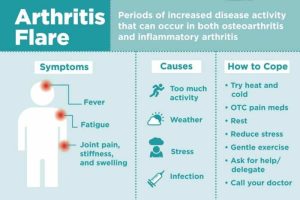
Maintaining a strong immune system is essential for individuals with chronic diseases as they are more susceptible to infections and complications. By enhancing immunity, it can help reduce the frequency and severity of flare-ups, leading to better disease management.
Role of Lifestyle Factors in Boosting Immunity
– Diet: Consuming a balanced diet rich in fruits, vegetables, whole grains, and lean proteins can provide essential nutrients to support immune function.
– Exercise: Regular physical activity can help boost immunity by reducing inflammation and promoting circulation, which aids in the proper functioning of immune cells.
– Sleep: Adequate sleep is crucial for immune health as it allows the body to repair and regenerate cells, strengthening the immune response.
Importance of Stress Management for Immune Function
Chronic stress can weaken the immune system and make individuals more vulnerable to infections. Practicing stress management techniques such as mindfulness, meditation, yoga, and deep breathing can help support immune function and overall health.
Natural Immunity Boosters
– Herbs: Herbs like echinacea, elderberry, and astragalus have immune-boosting properties and can be taken in supplement form or brewed into teas.
– Supplements: Vitamin C, vitamin D, zinc, and probiotics are known to support immune health and can be included in daily supplementation.
– Lifestyle Practices: Maintaining a healthy weight, staying hydrated, and avoiding smoking and excessive alcohol consumption can also contribute to a strong immune system.
FAQ Guide
How can I help my loved one stay motivated to exercise despite their chronic illness?
Encourage gentle activities like walking or yoga, and join them in their workouts to provide support and companionship.
What are some immunity-boosting foods that can benefit individuals with chronic conditions?
Foods rich in antioxidants like berries, leafy greens, and nuts can help boost immunity and support overall health.
Is it important to address the mental health aspect when supporting a loved one with a chronic disease?
Absolutely, mental health plays a crucial role in overall well-being. Offer emotional support, listen actively, and consider therapy if needed.